Tuesday 13 October 2026 SourcesAbout🌓
🇦🇺 AU ▾
BREAKING
› Actress Selma Blair in custody after alleged assault› Controversial former Aussie cyclist Matt Richardson axed from British team over serious allegations› Coventry City v Newcastle United: Premier League – live› US federal agents raid home of Democratic congresswoman and Trump critic Ilhan Omar› Oil company wins tenders in Channel Country with supply to stay in Australia› Australia politics live: Labor’s $630m funding boost for charities; Greens at odds about Ukraine weapons› Diddy rushed to hospital following 'medical emergency'› Riyadh airport stays closed as Saudis probe failures in deadly attack› All eyes on the Greens as David Shoebridge attempts to walk the walk› Selma Blair arrested and hospitalised after flight row - report› Actress Selma Blair in custody after alleged assault› Controversial former Aussie cyclist Matt Richardson axed from British team over serious allegations› Coventry City v Newcastle United: Premier League – live› US federal agents raid home of Democratic congresswoman and Trump critic Ilhan Omar› Oil company wins tenders in Channel Country with supply to stay in Australia› Australia politics live: Labor’s $630m funding boost for charities; Greens at odds about Ukraine weapons› Diddy rushed to hospital following 'medical emergency'› Riyadh airport stays closed as Saudis probe failures in deadly attack› All eyes on the Greens as David Shoebridge attempts to walk the walk› Selma Blair arrested and hospitalised after flight row - report
Science

How does a honeybee stinger actually pump venom? First-ever video shows it in action
The Conversation Australia ·
How does a honeybee stinger actually pump venom? First-ever video shows it in action

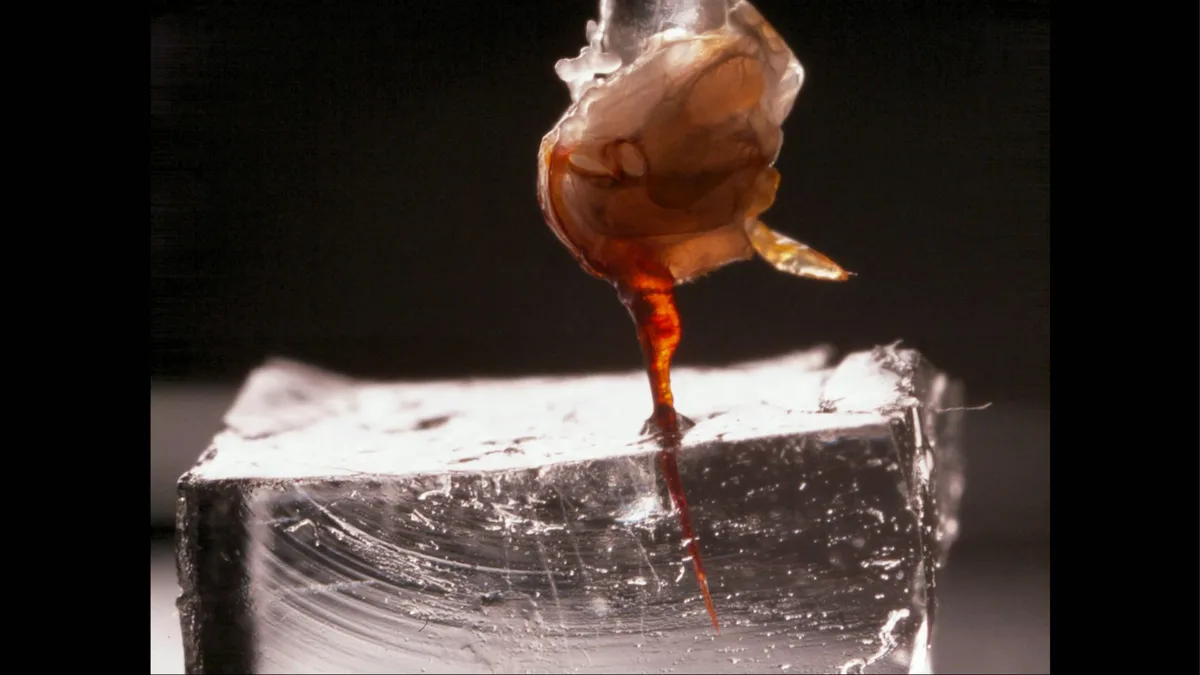
Ramirez-Esquivel et al. (2026) If you’ve ever been stung by a honeybee, you might know they have a special trick: they insert the stinger into your skin and leave it behind.

As they fly away, the needle-like appendage keeps stinging you.

Losing the stinger can kill the bee by damaging its internal organs , so they don’t do it lightly.

However, it means that even if the bee is crushed or brushed off, the stinger will continue to do its job – defending the hive.

In fact, it takes over a minute to finish pumping after it enters the skin.

The stinger is effectively a fully autonomous micro-pump.

But how does it work all on its own? Most venomous animals store venom in a venom sac – more or less a very unpleasant water balloon.

Circular muscles around this balloon squeeze and release the venom.

But scientists have known for a while that honeybees are equipped with something different.

A honeybee’s venom sac empties into a pumping chamber, which contains little pumping elements called valves.

This was illustrated as early as 1910 but we’ve never known exactly how these valves work.

In our study published today , we filmed the pumping elements inside the bee stinger in action for the first time.

What we did Since the bee stinger detaches from the body, we could observe it unobstructed.

Using a clear gel that mimics human skin as a target, we detached the stingers and then filmed them in action pumping venom.

Read the full article on The Conversation Australia ›

5News aggregated this summary from the outlet’s public feed. The full article, with all the context, is on theconversation.com — the content belongs to The Conversation Australia.

More from The Conversation Australia

See all ›

More in Science

See all ›