3 things we need to get right ahead of extreme bushfire risk this summer
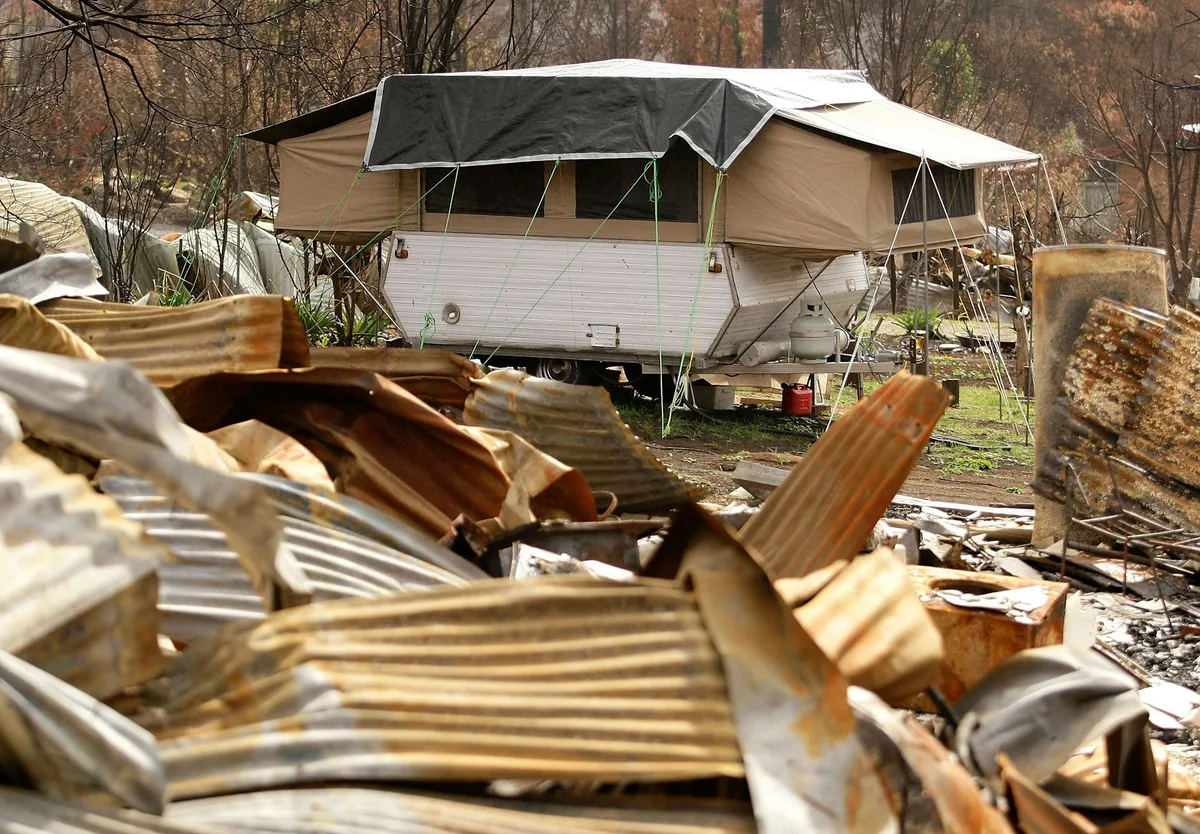
Lucas Dawson/Stringer This summer, Australia could face some of its most extreme bushfire conditions ever, due to the severity of an ever-strengthening El Niño .
And for many Australians, memories of catastrophic natural disasters are still painfully fresh.
The Black Summer bushfires of 2019–20 caused destruction on a scale that had never been seen in Australia, with more than 3,000 homes destroyed.
And the 2022 major floods devastated hundreds of communities across multiple states, becoming the costliest insurance event in Australian history.
While much of our disaster management approach rightly puts an emphasis on prevention, in reality that’s only part of the picture.
Both these disasters left thousands displaced and in urgent need of housing as they faced the difficult task of rebuilding their homes and lives.
Our research examined their aftermath – what worked best in meeting people’s immediate housing needs and supporting longer-term housing recovery.
Three key lessons emerged, calling on us to rethink our current approach now, ahead of the next disaster.
The problem with temporary villages Our first finding is that large-scale, expensive temporary housing villages with associated infrastructure should be avoided.
Despite the name, such temporary housing is rarely quick to deliver and is anything but temporary.
It can take months to procure, prepare sites for and build, and just pushes the problems to later .
Such villages were not a key feature of the Black Summer recovery.
Individual housing pods were instead delivered to bushfire victims’ own properties.
But temporary villages did make a costly appearance after the 2022 floods, with the construction of 11 temporary villages .
5News aggregated this summary from the outlet’s public feed. The full article, with all the context, is on theconversation.com — the content belongs to The Conversation Australia.