Tuesday 13 October 2026 SourcesAbout🌓
🇦🇺 AU ▾
BREAKING
› Actress Selma Blair in custody after alleged assault› Controversial former Aussie cyclist Matt Richardson axed from British team over serious allegations› Coventry City v Newcastle United: Premier League – live› US federal agents raid home of Democratic congresswoman and Trump critic Ilhan Omar› Oil company wins tenders in Channel Country with supply to stay in Australia› Australia politics live: Labor’s $630m funding boost for charities; Greens at odds about Ukraine weapons› Diddy rushed to hospital following 'medical emergency'› Riyadh airport stays closed as Saudis probe failures in deadly attack› All eyes on the Greens as David Shoebridge attempts to walk the walk› Selma Blair arrested and hospitalised after flight row - report› Actress Selma Blair in custody after alleged assault› Controversial former Aussie cyclist Matt Richardson axed from British team over serious allegations› Coventry City v Newcastle United: Premier League – live› US federal agents raid home of Democratic congresswoman and Trump critic Ilhan Omar› Oil company wins tenders in Channel Country with supply to stay in Australia› Australia politics live: Labor’s $630m funding boost for charities; Greens at odds about Ukraine weapons› Diddy rushed to hospital following 'medical emergency'› Riyadh airport stays closed as Saudis probe failures in deadly attack› All eyes on the Greens as David Shoebridge attempts to walk the walk› Selma Blair arrested and hospitalised after flight row - report
Science

Over 40 years ago, a mystery vigilante released a fungus to control blackberry in Australia. But why?
The Conversation Australia ·
Over 40 years ago, a mystery vigilante released a fungus to control blackberry in Australia. But why?

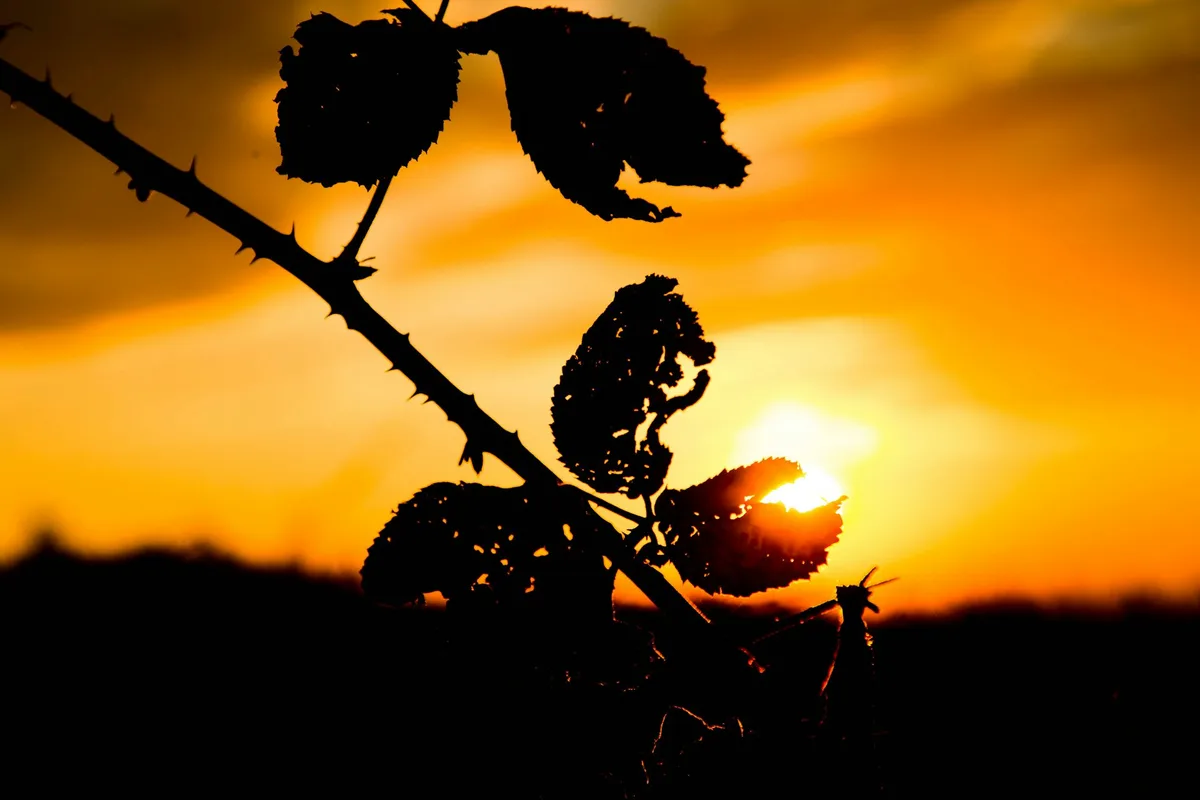
SashaFoxWalters/Getty Over the summer of 1983–84, a fungus called Phragmidium violaceum was introduced to Australia.

It was done secretly, deliberately and illegally.

And it was done for one purpose: to kill blackberry plants.

I’m a historian, not a detective.

My recent research on the illicit introduction of violaceum (also known as ‘blackberry rust’) doesn’t identify a culprit.

But it does shed light on one of Australia’s most significant and mysterious breaches of biosecurity over the past half-century.

Like so many other animals and plants, blackberry was deliberately introduced to Australia from Britain.

The earliest records date to the 1840s.

The plant was valued for its abundance of juicy fruit as well for its uses as a hedge.

Few herbivores other than tough-lipped deer and goats can eat the thorny plant.

But its delicious berries are prized by all sorts of animals, from foxes to fairywrens .

Every Australian knows common mynah birds are bad, rabbits are worse and feral cats kill native animals unchecked.

But how do we decide what makes an introduced species “good” or “bad” – and will we ever concede that some species are here to stay? With the help of humans and animals, blackberry spread rapidly.

By the late 1880s, it was becoming recognised as a serious agricultural weed.

Read the full article on The Conversation Australia ›

5News aggregated this summary from the outlet’s public feed. The full article, with all the context, is on theconversation.com — the content belongs to The Conversation Australia.

More from The Conversation Australia

See all ›

More in Science

See all ›