What the Australian government’s apology to LGBTQ+ Defence personnel and veterans means
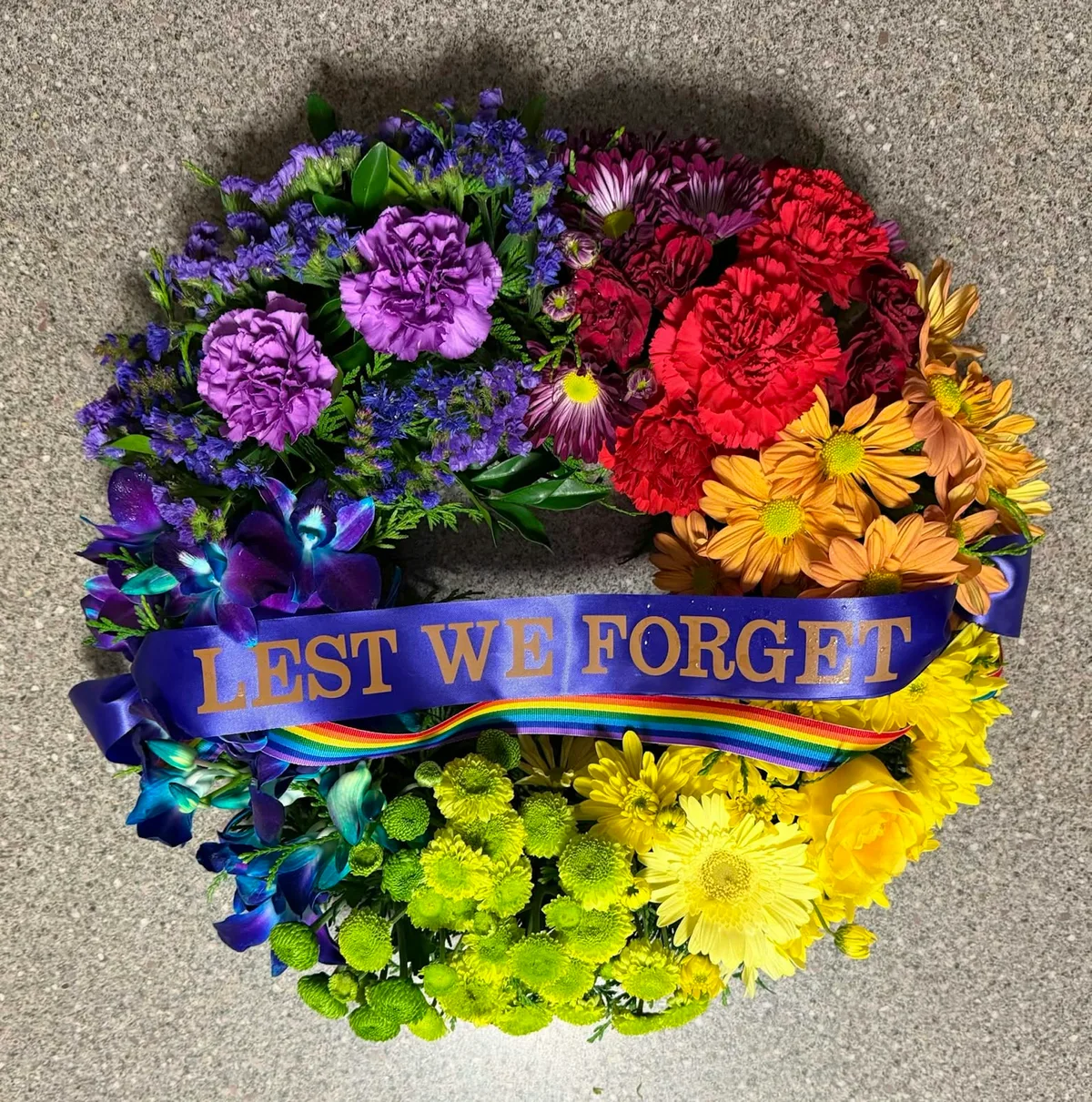
DEFGLIS (Defence LGBTI+ Information Service) Thousands of lesbian, gay, bisexual, trans and gender diverse and queer (LGBTQ+) veterans have served in the Australian Defence Force (ADF) with honour and dignity.
Yet, for the majority of Australia’s military history, their service was officially banned.
Many LGBTQ+ personnel experienced persecution, witch-hunts and forcible discharge on the grounds of sexuality or gender identity. (In this piece we are using the acronym LGBTQ+ because the ADF policies being discussed were not about intersex and asexual personnel.
We use the broader acronym LGBTIQA+ when discussing the community.) The journey to official acknowledgement and some form of justice has been long and is ongoing.
Until 1992 , lesbian, gay and bisexual Defence personnel were banned from serving.
It was not until 2010 that the ADF lifted the ban on transgender service .
The 2013 Mardi Gras parade was the first time Gay, Lesbian, Bisexual, Transgender and Intersex ADF personnel were allowed to march in uniform, openly representing the ADF.
Australian War Memorial This week, the Minister for Veterans’ Affairs announced that current or former Defence personnel may “apply to have historical homosexual convictions extinguished from their service records”.
This sits alongside a commitment to issue a formal apology later this year for the harms LGBTQ+ personnel and veterans experienced because of historical discriminatory policies.
An apology will have real meaning to many veterans.
It has been hard won and owes everything to the courage of LGBTQ+ veterans who have spoken about serving under the bans.
A number of LGBTQ+ veterans told their stories at The Royal Commission into Defence and Veteran Suicide .
Their accounts of sacrifice, duty and persecution, alongside the lifelong impact on their mental health and wellbeing, are harrowing.
We heard many similar, courageous accounts from the 140 LGBTIQ+ service members we interviewed between 2014–18.
5News aggregated this summary from the outlet’s public feed. The full article, with all the context, is on theconversation.com — the content belongs to The Conversation Australia.