Flexible futures shift focus off ATAR
Victorian senior students are increasingly looking beyond a single career and recognising that the ATAR isn’t the only measure of success, the state’s curriculum body says.
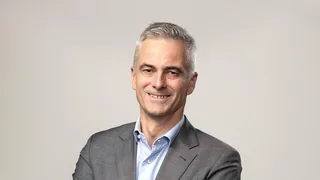
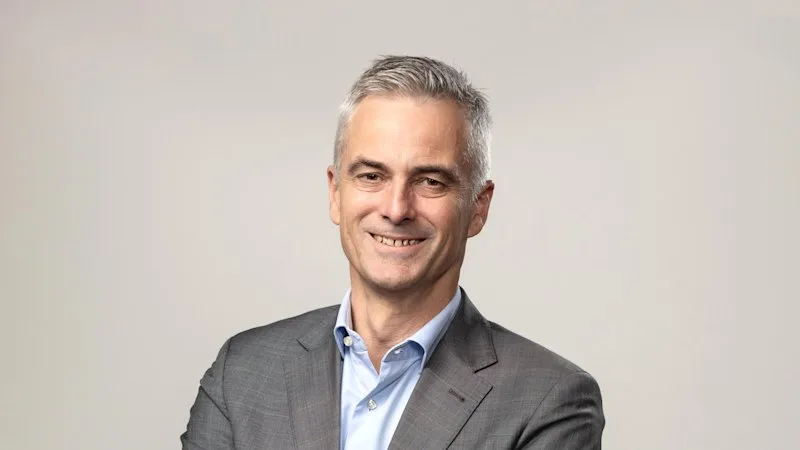
Victorian Curriculum Assessment Authority chief executive Andrew Smith says today’s students have a growing awareness of the need to be flexible, particularly as artificial intelligence reshapes the workplace.
“They’re looking more at that understanding that they will have multiple career pathways as they progress through their lives,” he says.
“The other thing that we’re hearing in speaking with young people is that they have a greater appreciation of ... how they best learn, so that they can unlearn, learn, unlearn and relearn over time.”
The shift comes as interest in vocational and applied learning continues to grow alongside traditional VCE studies.
The number of students earning the VCE Vocational Major (VM) increased by 13 per cent in 2025, with 9777 students opting for the skill-based pathway.
The VCE VM, introduced in 2023, provides hands-on training and work-related skills in fields such as early childhood education and IT.
Smith says the VCE is designed to be flexible, with major reforms in recent years aimed at broadening the pathways available to students.
“I think what we’re seeing is there’s a greater understanding that there’s no single definition of success when it comes to senior secondary schooling,” he says.
“Students are defining success more personally ... versus what was, for many students previously, a singular focus on the ATARs.”
He says there is also continued growth in the Victorian Pathways Certificate (VPC), as well as uptake of Vocational Education Training (VET) subjects in the VCE.
While there is no evidence young people are choosing subjects specifically to ″AI-proof″ their careers, Smith says there are signs they are responding to the world around them.
He points to a growing interest in economics, with VCAA figures showing enrolments rose from 3158 in 2021 to 4464 in 2026, or 41 per cent.
“I wonder how much that [comes from] living in a world where there’s uncertainty, interest rates are high, people are feeling the [rising] cost of living ... whether that’s developed an interest in understanding the mechanics underneath,” Smith says.
5News aggregated this summary from the outlet’s public feed. The full article, with all the context, is on www.theage.com.au — the content belongs to The Age - Home.