From Australia to the Andes, we’re discovering new biodiversity hotspots worldwide
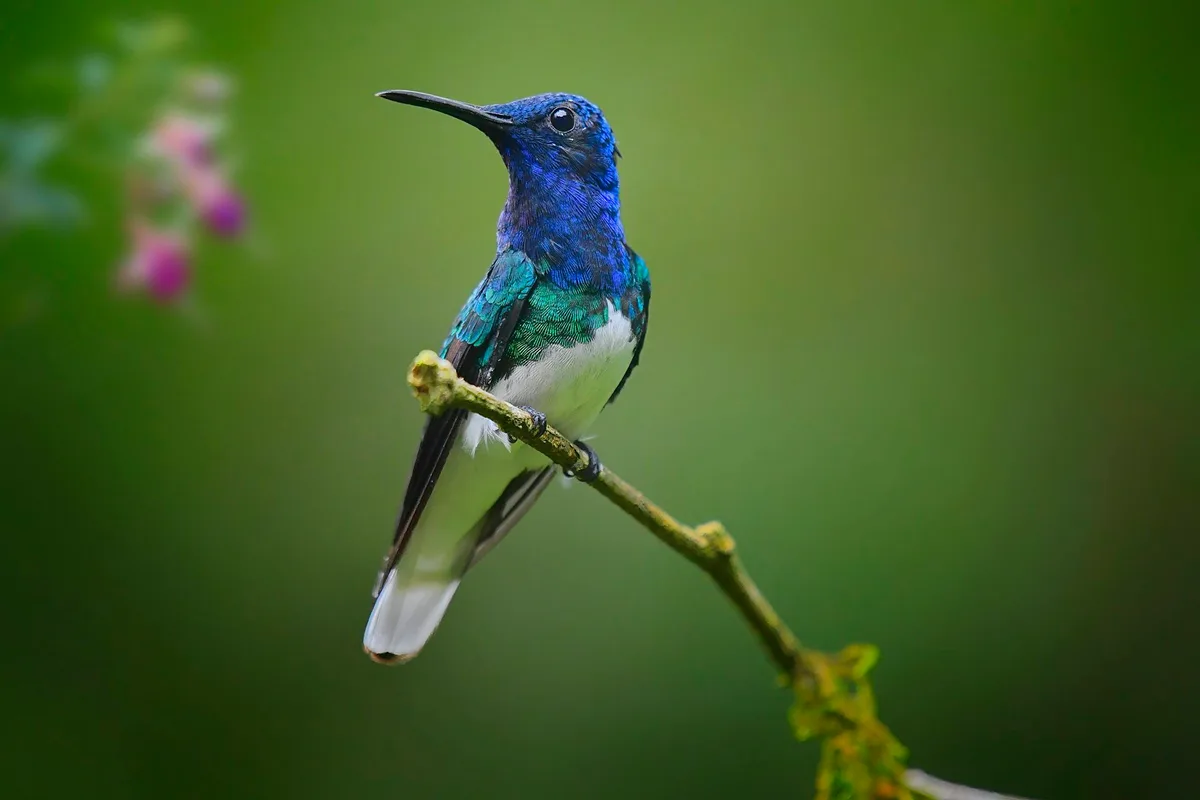
webguzs/Getty We share our planet with millions of plants and animals.
This variety of life is known as biodiversity , a term encompassing everything from microscopic genes to entire ecosystems , such as deserts and vibrant coral reefs.
Places that support a wealth of species are known as “ biodiversity hotspots ”.
South America’s tropical Andes region – which has the world’s largest variety of amphibian, bird and mammal species – and the coastal forests of eastern Australia are just two examples.
Our new study suggests biodiversity hotspots are emerging in new, and in some cases unexpected, locations.
So why is this happening? And what does it mean for species across the globe? Spotting a hotspot Scientists generally agree there are 17 megadiverse countries worldwide, including Brazil, Indonesia, India and Australia.
But even within their borders, there are regions that are particularly rich in species, such as the Amazon rainforests of Brazil and Ecuador.
Finding biodiversity hotspots relies on scientifically describing the key characteristics of each individual species that occurs in a particular place.
This includes identifying the features that distinguish a new species from all other known species, before giving it a formal and unique Latin scientific name.
The problem is there are many species western science hasn’t even discovered.
Research suggests about 80% of the world’s plants and animals are yet to be formally studied.
This is true even for well-researched vertebrate groups such as mammals, birds and reptiles.
For instance, each year researchers discover more than 2,000 new vascular plant species, which are distinguished by a range of features such as their special tube-like tissues .
However, studies show as many as 100,000 more plant species remain unknown to science.
5News aggregated this summary from the outlet’s public feed. The full article, with all the context, is on theconversation.com — the content belongs to The Conversation Australia.