Hydrogen microgrids could help power remote communities – but beware the hype
Andrei Akushevich/Getty In remote towns, what happens when the sun fails to shine, the wind barely blows and batteries begin to run low? Too often, the answer is another costly diesel delivery .
Australia is already investing in regional and remote microgrids, including two First Nations-led microgrid projects in the Northern Territory.
Microgrids are small, controllable electricity systems that are powered by renewable energy and can operate independently of the national network.
Meanwhile, the federal government is exploring what opportunities renewable hydrogen may offer.
Globally, we consume about 100 million tonnes of hydrogen each year – most of it fossil fuel-based – to produce everything from fertiliser to margarine .
But Australia’s hydrogen ambitions have been shaken by cancelled projects and high costs.
Internationally, uncertain demand and a lack of infrastructure are holding back hydrogen development worldwide.
Our recent study takes a practical look beyond the “hydrogen hype”.
It suggests hydrogen could work alongside batteries in some remote microgrids.
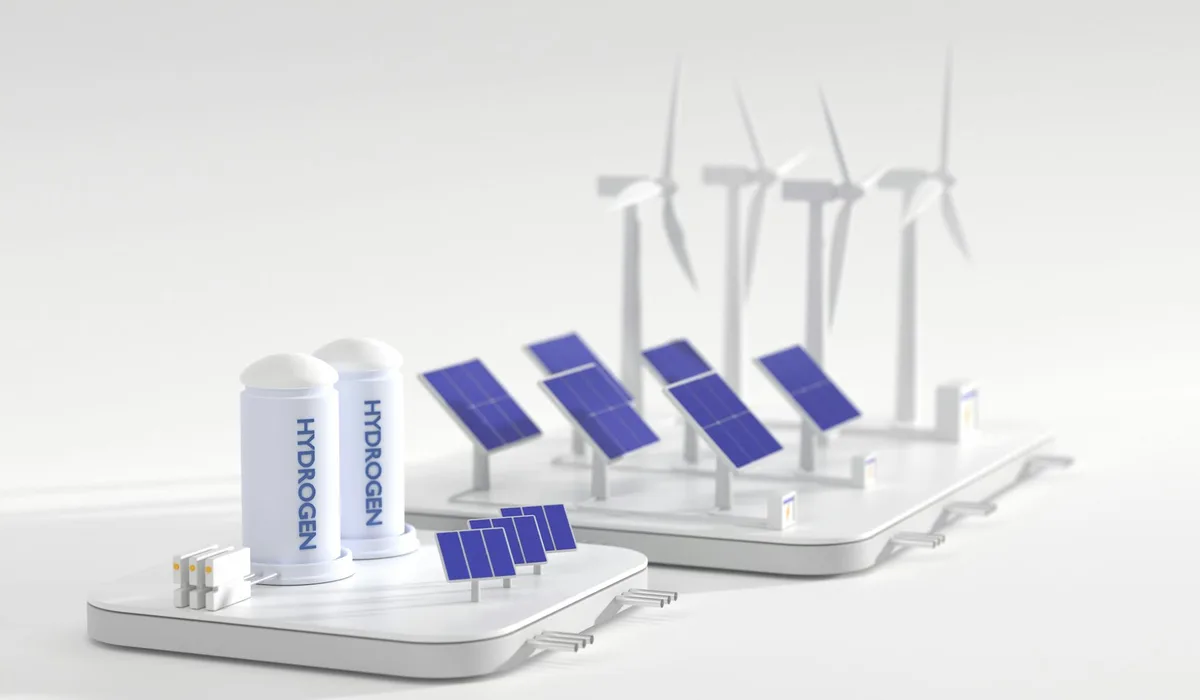
Not just a replacement Solar panels and wind turbines produce renewable electricity.
Batteries store any surplus energy for later use, making them particularly useful when the sky is cloudy, winds ease or demand suddenly rises.
If more electricity is generated than the battery can store, a device called an electrolyser can split water into oxygen and hydrogen.
The hydrogen is then stored and later fed into a fuel cell , which uses it to generate electricity.
This allows renewable energy to be stored for longer periods and used when needed.
5News aggregated this summary from the outlet’s public feed. The full article, with all the context, is on theconversation.com — the content belongs to The Conversation Australia.