Australia needs more people who think like scientists. Here’s what that means
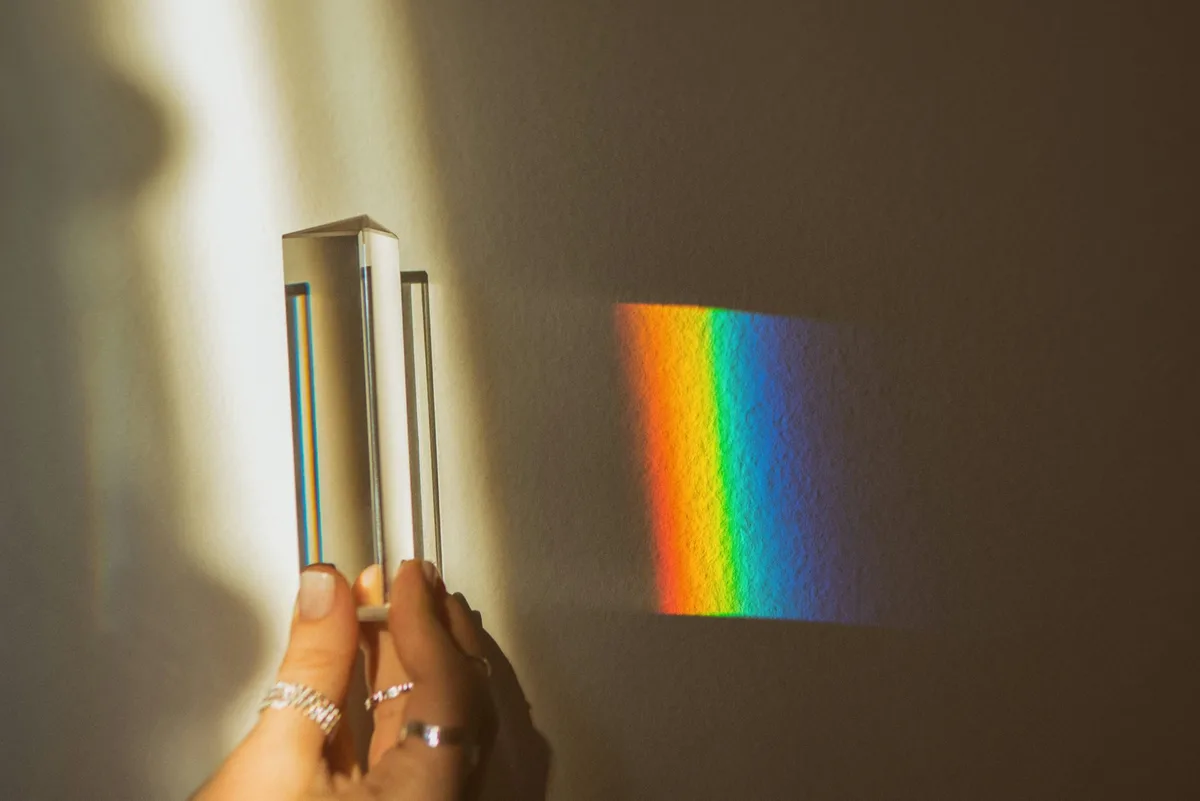
Emilija Manevska/Getty Images How we think and feel about science develops from an early age – and we never know where that early interest might take us.
Take Hannah.
As a young child, she was fascinated by the way a glass prism can split sunlight into different colours .
At university she studied the way light can interact with liquids.
Now Hannah works in the food industry, using light to study how oat milk changes when mixed with hot coffee.
The reason your barista can make a great plant-based flat white is thanks to knowledge developed by people like Hannah.
Her example shows how curiosity about the world can translate into an interest in science, a discipline that’s vital to understanding – and improving – our modern world.
However, in Australia not enough people are studying science.
So we stand to lose a future where we can use the tools of science to understand why things happen.
Science is not just for scientists Science literacy isn’t just about knowledge .
It’s about the ability to reason, evaluate evidence, and make informed decisions in a complex, changing world.
Thinking like a scientist is a vital skill in a world of misinformation about climate change, renewable energy, generative artificial intelligence (AI), and more.
Employers value willingness to learn, problem-solving, communication and digital literacy.
But science has a marketing problem.
5News aggregated this summary from the outlet’s public feed. The full article, with all the context, is on theconversation.com — the content belongs to The Conversation Australia.