First Nations netballers driving change, bringing cultural safety
While netball may be Australian girls' and women's top participation team sport, it has long fallen short of producing — or at least nurturing — elite Indigenous talent.
Just three Indigenous Australian women have represented the Diamonds: Marcia Ella-Duncan, Sharon Finnan-White and, after a 22-year gap, Donnell Wallam.
In 2024, Wallam left Australia for New Zealand, taking a swipe at her former club, the Firebirds, on the way out.
At the time, she wrote that the New Zealand clubs' "respect for inclusion and culture" was a key factor in her decision to leave, while she eventually returned to the Sunshine Coast Lightning this year.
As accusations of a 'toxic culture' at the Firebirds were aired, the governing body launched an investigation and kickstarted a series of measures to enshrine 'cultural safety' for First Nations athletes in the sport.
This included the introduction of Australia's inaugural First Nations team, the Black Swans, following the appointment of Ali Tucker-Munro, Netball Australia's General Manager First Nations and former Diamonds squad member.
Tucker-Munro was also influential in establishing the First Nations Tournament, a yearly national championship currently being held in Melbourne, and the Spirit Series, which launched in 2026 and saw the Black Swans go undefeated against Australia's Pacific neighbours.
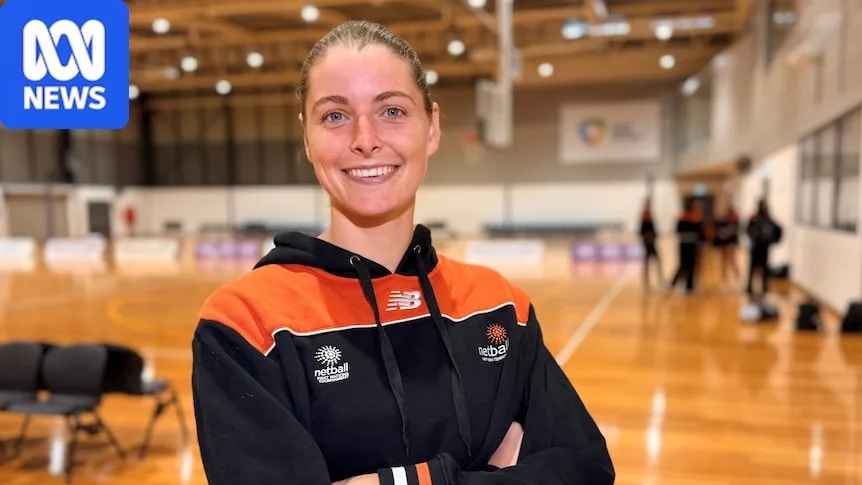
Speaking from the State Netball and Hockey Centre, Tucker-Munro, alongside players Gabby Coffey and Scarlet Jauncey, said the measures had begun to address the lack of visible role models for First Nations netballers, with more work to be done.
Twenty-six-year-old Coffey, representing the Northern Territory, is one of several First Nations netballers who have been stuck at the cusp of national competition.
The defender spent four years as a Melbourne Vixens training partner before eventually making the decision to move to the UK to further her netball career.
She represented Birmingham over two seasons, and has since returned to Alice Springs.
"I knew there wasn't much movement in their defensive end, and the same with a lot of defensive ends around Australia," Coffey told ABC Sport.
While she has not given up on a professional career, she is also at peace with the idea that her role may be to support other First Nations athletes with their sporting aspirations.
The Wiradjuri woman grew up in Alice Springs, away from mob and country, but remembers being embraced by the community in Arrente.
5News aggregated this summary from the outlet’s public feed. The full article, with all the context, is on www.abc.net.au — the content belongs to ABC News Australia - Top Stories.