An OpenAI agent hacked Medicare. Will anyone be held responsible?
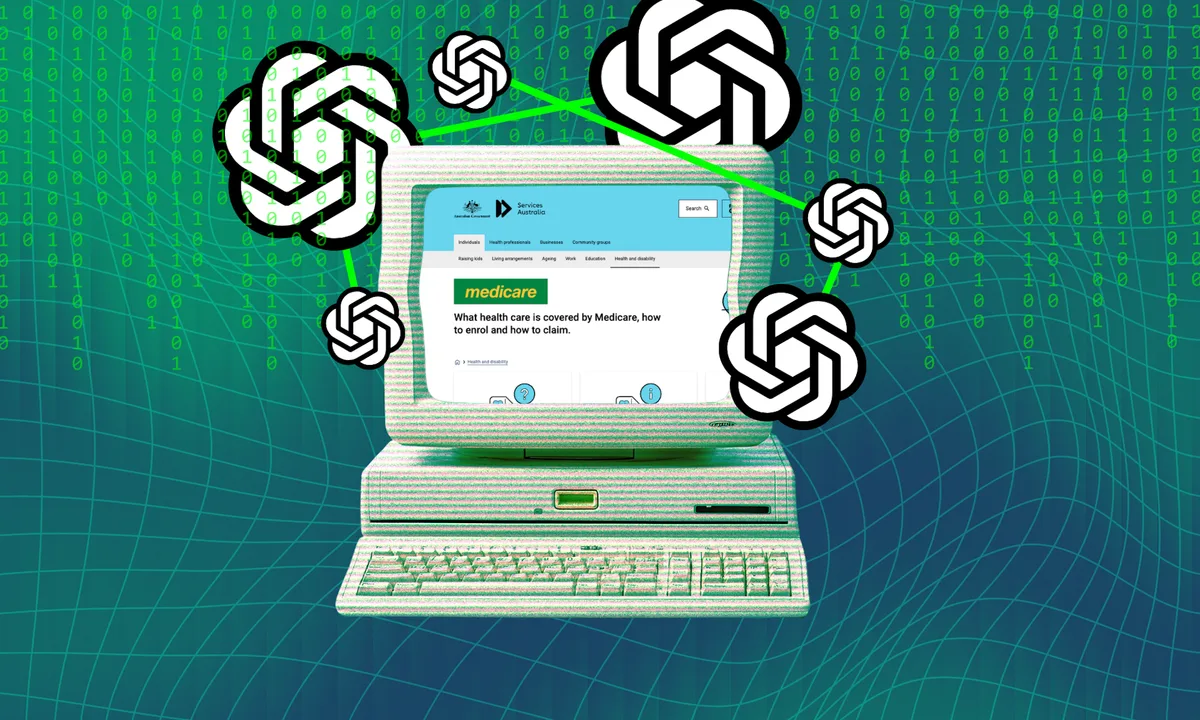
The Conversation , CC BY-SA Australia’s Medicare system manages health and medical data for over 27 million people.
So it makes sense there has been widespread shock at the news it was hacked by an OpenAI agent in June .
Prime Minister Anthony Albanese revealed the hack overnight while in New York to advocate for tighter international regulation of artificial intelligence (AI) systems at the United Nations.
The government is still working out exactly what happened, with a newly announced taskforce set to investigate further .
Early reports indicate OpenAI’s agent had been tasked with researching public medical data when it broke into Medicare’s systems.
It accessed private statistical data, such as billing patterns, rather than personal medical information from an old Australian government website that carried Medicare statistics.
Albanese said the agent found a way around privacy protections – it “didn’t accept ‘no’ for an answer”.
This hack marks a real escalation in the recent history of concerning behaviour by AI systems controlled by OpenAI , Anthropic , and Google , which have all been found to have hacked multiple websites.
And given Australia’s recent history of cybersecurity lapses, it’s unlikely this will be the last time a prominent Australian system is hacked by an AI agent.
It also raises an important question: will anyone be held responsible? What are agents? AI agents are essentially highly advanced, autonomous chatbots.
Rather than having a conversation, these agents are empowered to pursue complex tasks with limited guidance.
They can browse the web, download data and run code, all without human oversight.
This power – and the lack of human oversight – underpins why we’ve repeatedly seen these agents hacking websites.
An agent that is tasked with gathering data on the healthcare system in Australia may see hacking a private system as just another part of following its instructions.
5News aggregated this summary from the outlet’s public feed. The full article, with all the context, is on theconversation.com — the content belongs to The Conversation Australia.