Australia’s top court puts fossil fuel developers on notice
Australia’s highest court has just delivered its first-ever decision in a climate case.
And it could sour the economic argument for developing new coal and gas projects in New South Wales, and possibly Australia.
This High Court judgement is timely – Australia is co-hosting an international pre-COP31 climate summit in the Pacific this week and is facing renewed pressure from Pacific leaders over fossil fuel projects.
The court’s decision on Wednesday – in a case brought by a community group against mining company MACH Energy over a coalmine expansion – is not a unified legal declaration against fossil fuels.
But this restrained, technical judgement quietly sets a new standard for coal and gas projects in the state – and potentially across the country.
It means planning authorities must consider the whole carbon footprint of these projects, including the emissions produced by customers burning these fossil fuels overseas.
Although the decision concerns one specific coal mine – MACH Energy’s Mount Pleasant coal mine in NSW – it directly affects the 17 other coal proposals currently in the state’s planning pipeline.
It could also provide a legal blueprint for how courts across the country handle future cases against fossil fuel projects.
The case has put fossil fuel companies, including those that mine coal, on notice.
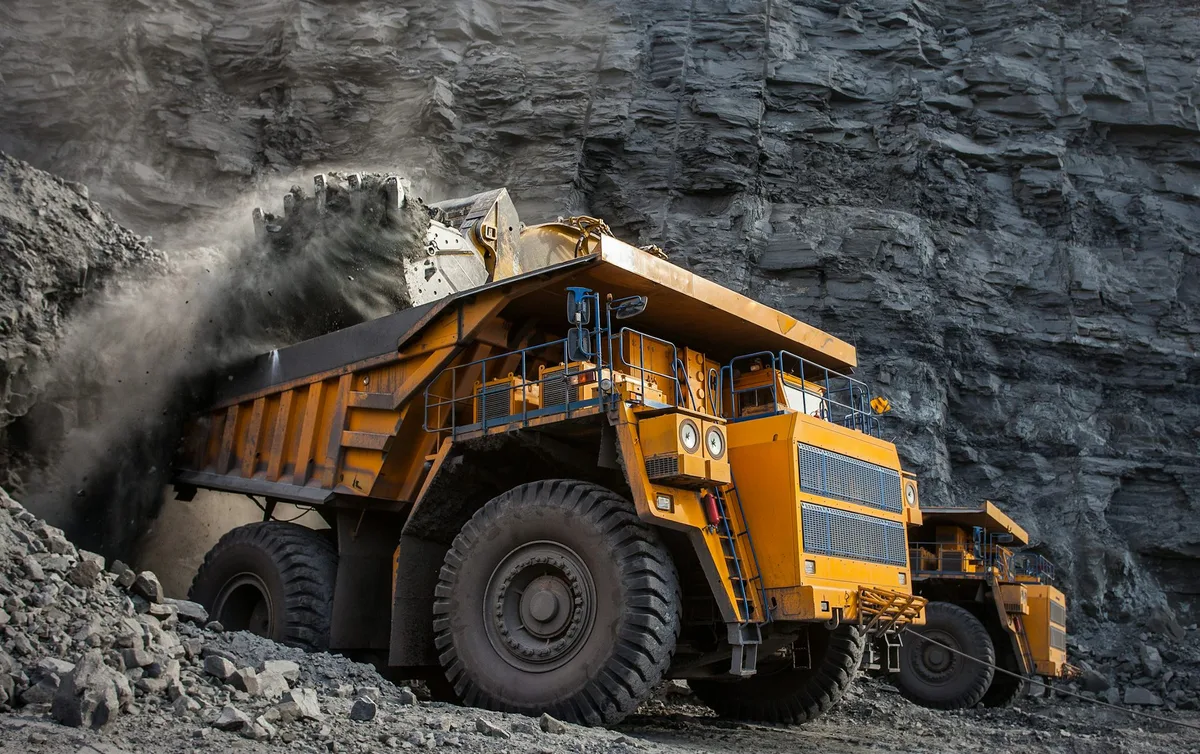
EvgenyMiroshnichenko/Getty Remind me, what is climate litigation? Climate litigation involves taking governments or companies – and occasionally individuals – to court in a bid to hold them responsible for climate harms.
There are now thousands of these cases worldwide.
After the United States and Brazil, Australia has more of these cases than anywhere else: 193 cases by the end of 2025.
This wealth of climate litigation is due to the prevalence of fossil fuel projects in Australia, coupled with lax regulation and high community engagement.
Climate litigation is used because a court can legally require governments and companies to act, in a way that community opposition or political pressure can’t.
5News aggregated this summary from the outlet’s public feed. The full article, with all the context, is on theconversation.com — the content belongs to The Conversation Australia.