Tasmanian film and TV have had a stellar decade. So why is the state gutting its local screen body?
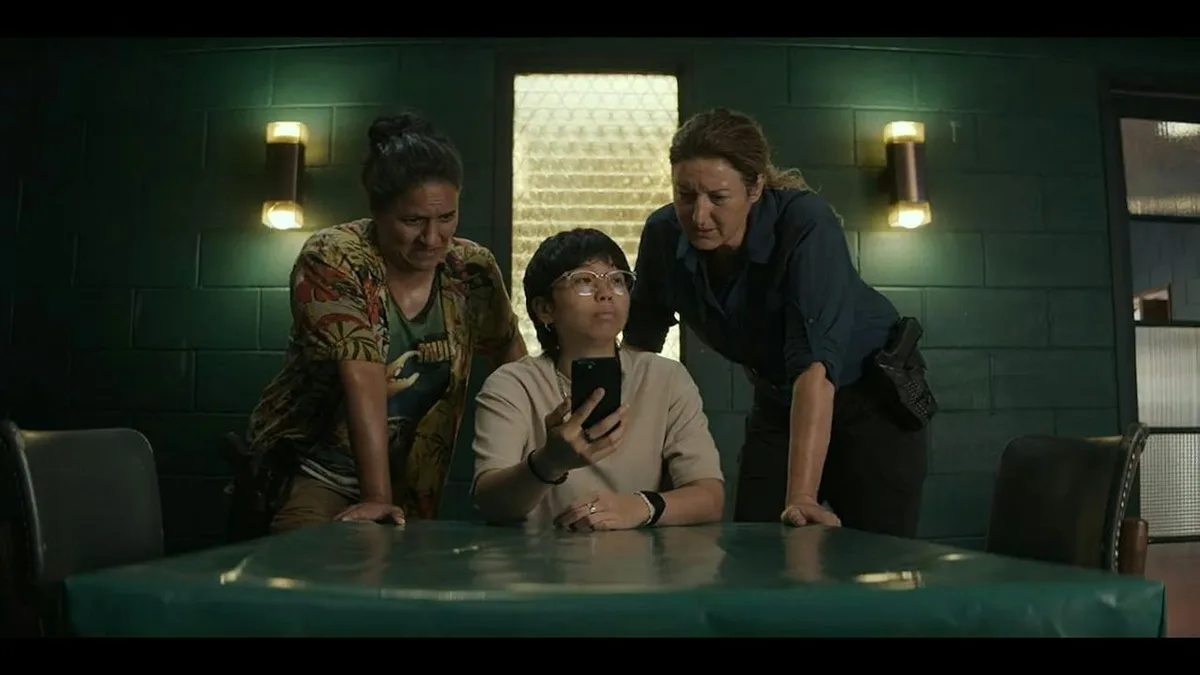
Deadloch/IMDB In April, Tasmanian Premier Jeremy Rockliff announced Brand Tasmania, Screen Tasmania and the Tasmanian Museum and Art Gallery would be folded into the Creative Industries, Sport and Visitor Economy division.
The decision “to streamline the state’s public service sector” has been known for some time .
But the latest shocking revelation is that Screen Tasmania, the state’s funding body for film, television and other digital media, has roughly halved in size .
It is left with a “skeleton staff” equivalent to less than two full-time employees.
This decision – which threatens the Tasmanian screen industry’s ability to compete in global and domestic markets – has raised the alarm among local screen creatives.
Shaun Wilson , council member of the Tasmanian Filmmakers Alliance, expressed fear that such a small screen body would be “just a passive entity” doing little more than “assessing grant applications”.
Troubling times for Screen Tasmania The basic model of screen funding in Australia comprises a mix of government and private/corporate funding.
The state and territory bodies collaborate with the federal body, Screen Australia with both offering financial incentives such as development and production funding.
Ultimately, however, the state bodies operate independently.
Location assistance and screen industry training and development are all part of Screen Tasmania’s remit .
The Mercury reports that the recent changes have left Screen Tasmanian “at the brink of collapse”.
Local producer David Gurney described the restructure’s budget cuts as “brutal and shortsighted”, particularly in light of the success of recent Tasmanian screen productions.
The last decade has seen a boom in high quality television coming out of Tasmania, beginning with Vicki Madden’s 2016 series The Kettering Incident.
What makes Tasmanian film and TV special? The state’s exquisite landscape is an obvious draw-card for producers, directors and audiences.
5News aggregated this summary from the outlet’s public feed. The full article, with all the context, is on theconversation.com — the content belongs to The Conversation Australia.