WA Police’s facial recognition trial delivered strong results. But was it an ethical success?
Tibor Janas/Pexels, The Conversation , CC BY-SA The results of Australia’s first live facial recognition trial have been released.
Since June 2026, the Western Australian Police Force has been trialling the technology across metropolitan and regional WA.
During the trial, more than 900,000 faces were scanned, generating 209 alerts (notifications that a scanned face matched someone from a police watch list) and 79 arrests.
The technology identified and engaged 114 registered sex offenders.
However, there were eight incorrect alerts.
At first glance, these results seem to tell a success story.
As other jurisdictions across the country consider whether to implement the technology, the WA trial is likely to be viewed with considerable interest.
As such, calls for wider use may soon follow.
Yet the key question is not whether live facial recognition technology can identify people of interest.
The more important question is what happens if it fails and who bears the burden when it does.
This question will become increasingly important as live facial recognition technology becomes more widespread.
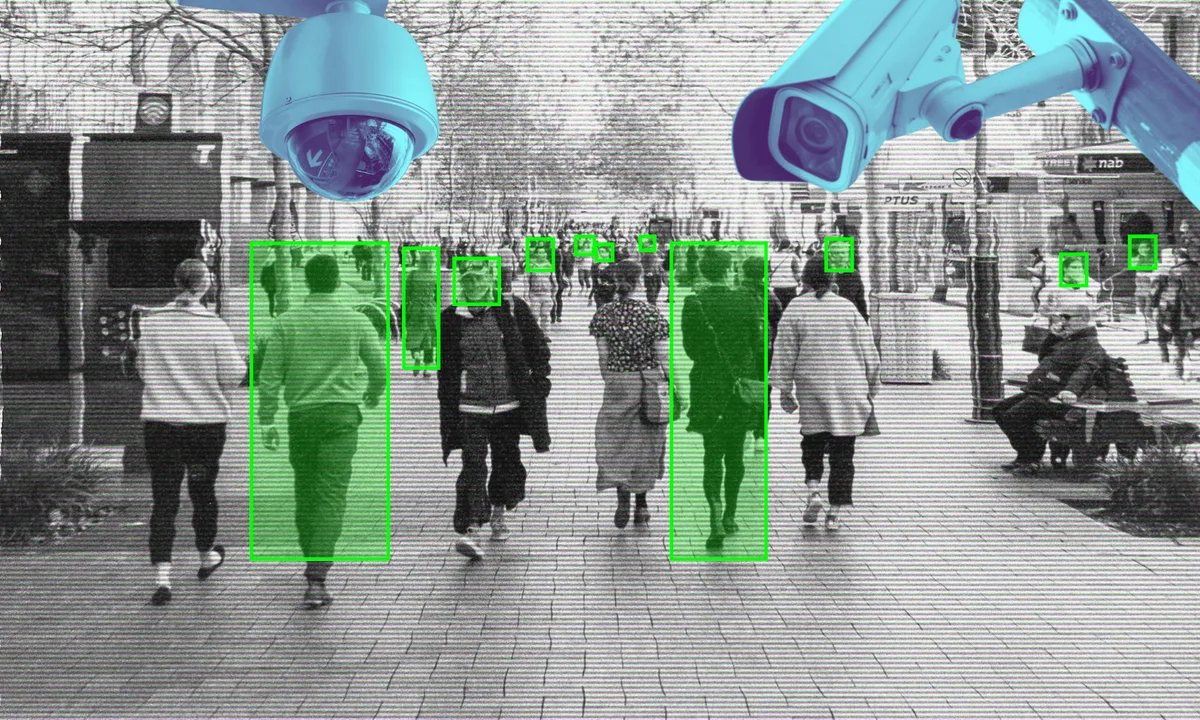
What happened in the trial? During the trial, WA police deployed live facial recognition cameras in public, including at major crowd events, and compared them against a police watch list.
If the technology records a match with a person of interest on the list, the system sends an alert to nearby officers.
The results released this week seem to be presented as evidence the trial was a success, with a significant number of people of interest identified along with 79 arrests, and a relatively small number of errors.
5News aggregated this summary from the outlet’s public feed. The full article, with all the context, is on theconversation.com — the content belongs to The Conversation Australia.