The long shadow of 9/11 and the retreat of an independent New Zealand foreign policy
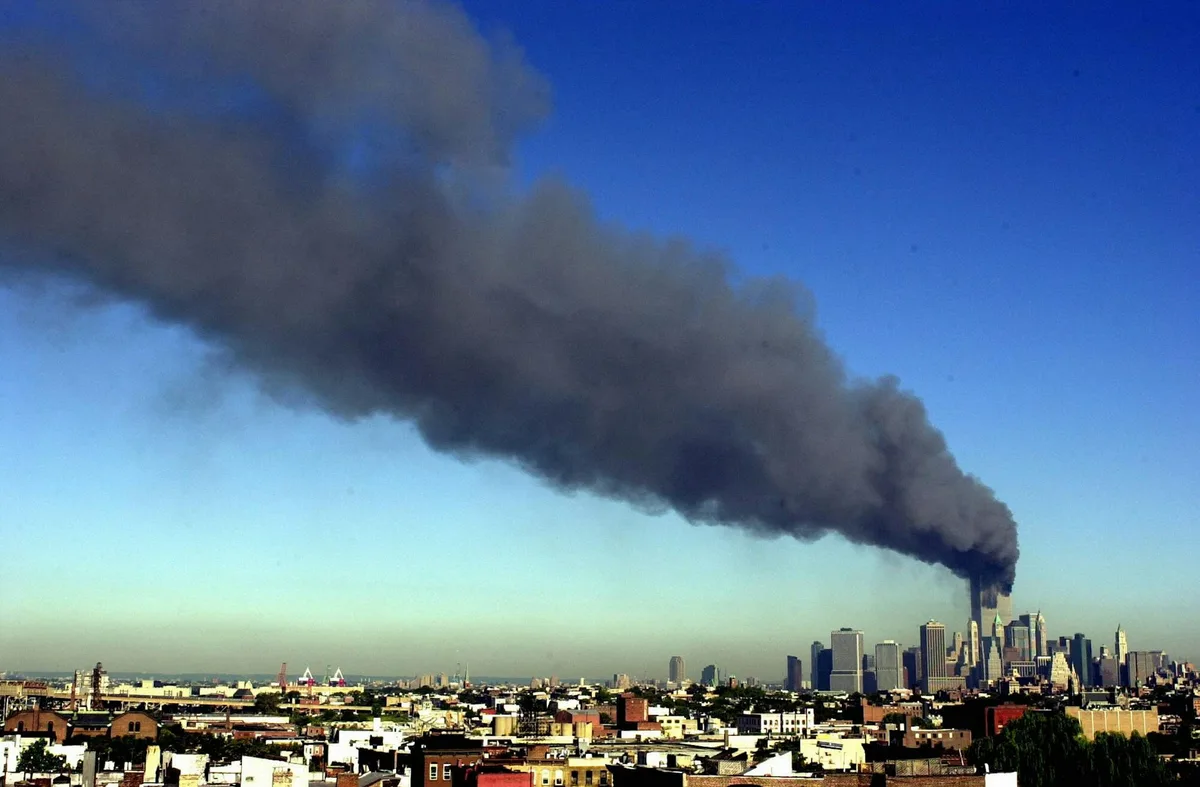
Jiro Ose/Newsday RM via Getty Images Twenty-five years ago today, the world’s strongest military state found itself powerless to prevent attacks on its homeland by al Qaeda, a small transnational terrorist group.
Now, a quarter of the way into the 21st century, it’s possible to identify the major trends that have shaped the world and New Zealand’s place in it since that terrible day.
The response by the United States to the atrocities led eventually to a quagmire in Afghanistan, an illegal invasion of Iraq, and an ill-defined “war on terror” that arguably set in motion the forces shaping today’s fraught geopolitical landscape.
The post-9/11 era has been marked by the clear erosion of an international rules-based order previously led by the US and enshrined in institutions like the United Nations.
The Iraq invasion in 2003, China’s assertiveness in the South China Sea, Russia’s annexation of Crimea and subsequent full-scale invasion of Ukraine in 2022, all point to a new era of power politics.
The US has managed to prevent a repetition of 9/11.
But this should not mask the costs in terms of America’s power, autonomy and influence in the world.
Military overreach (fighting simultaneous wars in Afghanistan and Iraq), the 2008 global financial crisis, high debt levels, and the emergence of authoritarian China as a second superpower have diminished US dominance.
But the post 9/11 world has also been characterised by borderless issues too big even for superpowers to fix: climate change, pandemics, terrorism and supply chain fragility are challenges that can’t be resolved without international cooperation.
Above all, the first quarter of this century has seen an absence of global leadership.
The United Nations Security Council has been reduced to the role of international bystander by the veto privileges of its permanent five members.
Shifting perceptions and policies Initially, navigating the emerging new world order wasn’t overly problematic for a small state like New Zealand, traditionally a strong supporter of multilateralism and the rules-based system.
For 15 years after 9/11, Wellington managed to establish and maintain close ties with both the US and China.
Helen Clark’s Labour-led government of 1999 to 2008 expressed solidarity with US President George W Bush’s war on terror and deployed troops to Afghanistan .
5News aggregated this summary from the outlet’s public feed. The full article, with all the context, is on theconversation.com — the content belongs to The Conversation Australia.