Will El Niño send food prices soaring this summer?
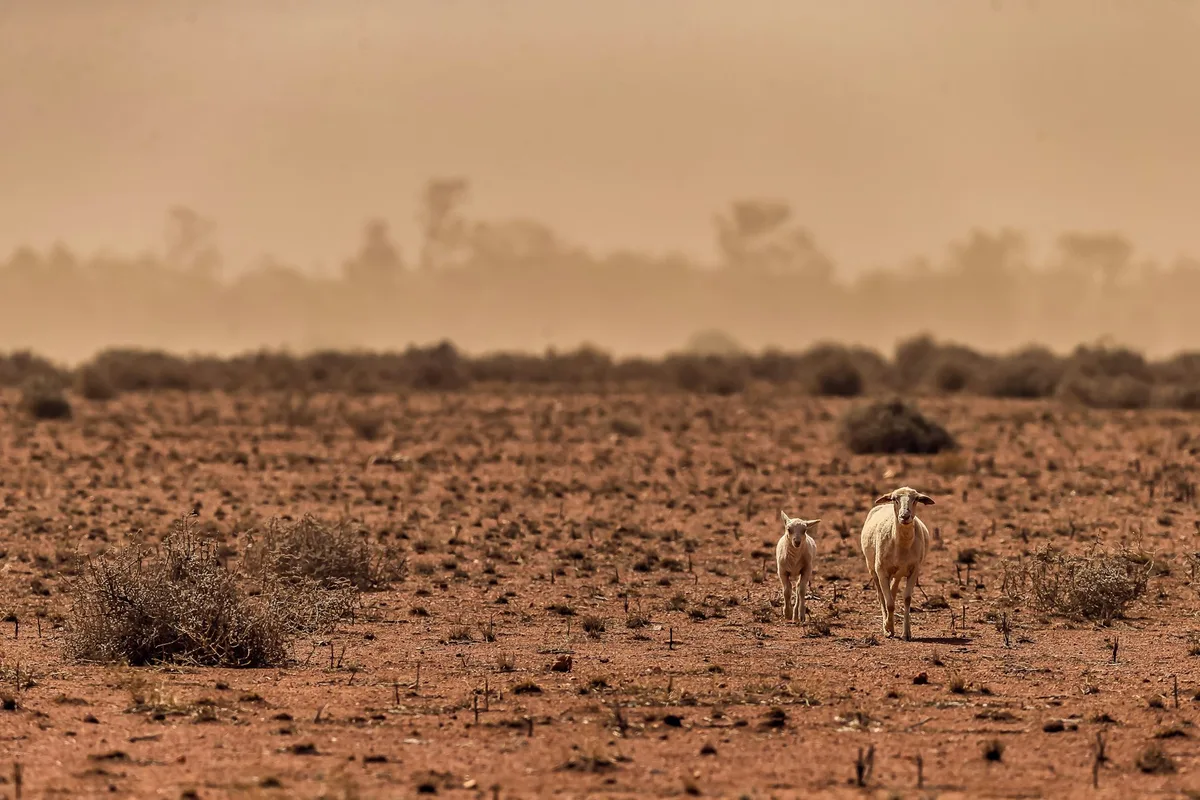
Australia’s farm sector currently faces a double whammy from weather and non-weather related factors: a confirmed El Niño effect and surging inflationary pressures.
The Bureau of Meteorology says a strong El Niño is underway in late spring and into summer in Australia.
This week it said : Models indicate the current event is likely to become the strongest El Niño event on record, with reliable records dating back to 1950.
The research division of the Department of Agriculture, known as ABARES , says the current El Niño could lead to lower spring rainfall in parts of Australia, but the impacts are uncertain.
These events have coincided with non-weather factors such as rising fuel and fertiliser prices caused by conflict in the Middle East, and ongoing inflationary pressure in the economy.
So, how will these various pressures affect prices of food in coming months? Fewer leafy greens? Fruits and vegetables that are part of the regular diet of many households are likely to be affected, but to varying degrees.
Consumers could see lower availability and higher prices for some vegetables, such as leafy greens, peas, broccoli and cauliflower later in the year.
On the other hand, due to drier growing conditions, greater supply of citrus, apples and stone fruits is likely.
Consumers may find greater availability of peaches, nectarines and plums in markets.
The appearance of vegetables and fruits can be affected by extreme heat and sun exposure, potentially reducing their visual appeal.
But product quality is not affected, a point the industry has been keen to promote with sales of “imperfect” fruit and vegetables.
In eastern and southern parts of Australia, winter and spring rainfall is likely to be lower due to El Niño , leading to a fall in the production of pasture.
For cattle and sheep producers , lower pasture availability can force them to use feed supplements or to reduce stock numbers.
If many producers attempt to sell livestock at the same time, livestock prices can come under pressure.
5News aggregated this summary from the outlet’s public feed. The full article, with all the context, is on theconversation.com — the content belongs to The Conversation Australia.