Australia’s lizards and snakes are in far more trouble than we thought. It’s time to act
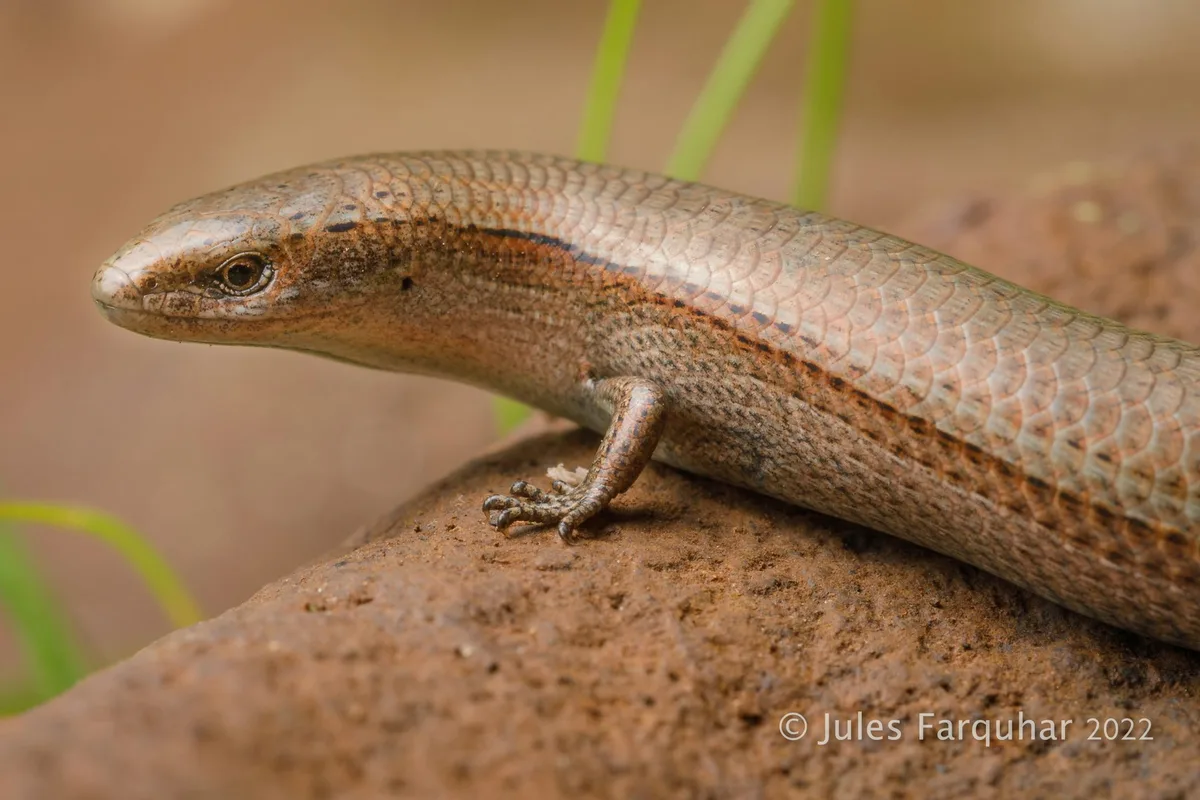
Jules Farquhar Australia is a land of lizards and snakes.
From common blue-tongues in suburban gardens to rare shovel-nosed snakes in the desert, reptiles are a defining part of the continent’s wildlife.
But our new national review , by a team of 23 Australian herpetologists (reptile and amphibian experts), reveals they are in far more trouble than currently recognised.
We identified at least 127 threatened terrestrial lizard and snake species.
That is 13.1% of the reptile species where enough information was available to assess their extinction risk, and almost twice the 7.1% officially classified as threatened in Australia’s previous nationwide assessment in 2017 .
This does not mean the number of threatened lizard and snake species simply doubled overnight.
It partly reflects better use of available information on species’ populations and threats, and the discovery of new species.
But it is also symptomatic of our government’s environmental department struggling with intensifying threats and a backlog of assessments.
This matters because Australia is home to about 10% of the world’s lizard and snake species, and roughly 98% of them occur nowhere else .
If they disappear here, they disappear from the planet.
Unknown species in greatest danger In 2017, 43 Australian lizards and snakes were classed as “data deficient”.
This might sound benign, but it means there was not enough information to assess how likely they are to become extinct.
Our review found evidence that up to 38% of these poorly known species are threatened.
That rate is 5.4 times higher than those species we had enough information about in 2017.
5News aggregated this summary from the outlet’s public feed. The full article, with all the context, is on theconversation.com — the content belongs to The Conversation Australia.