Bird flu could devastate Macquarie Island. Why are we removing the scientists we need to understand it?
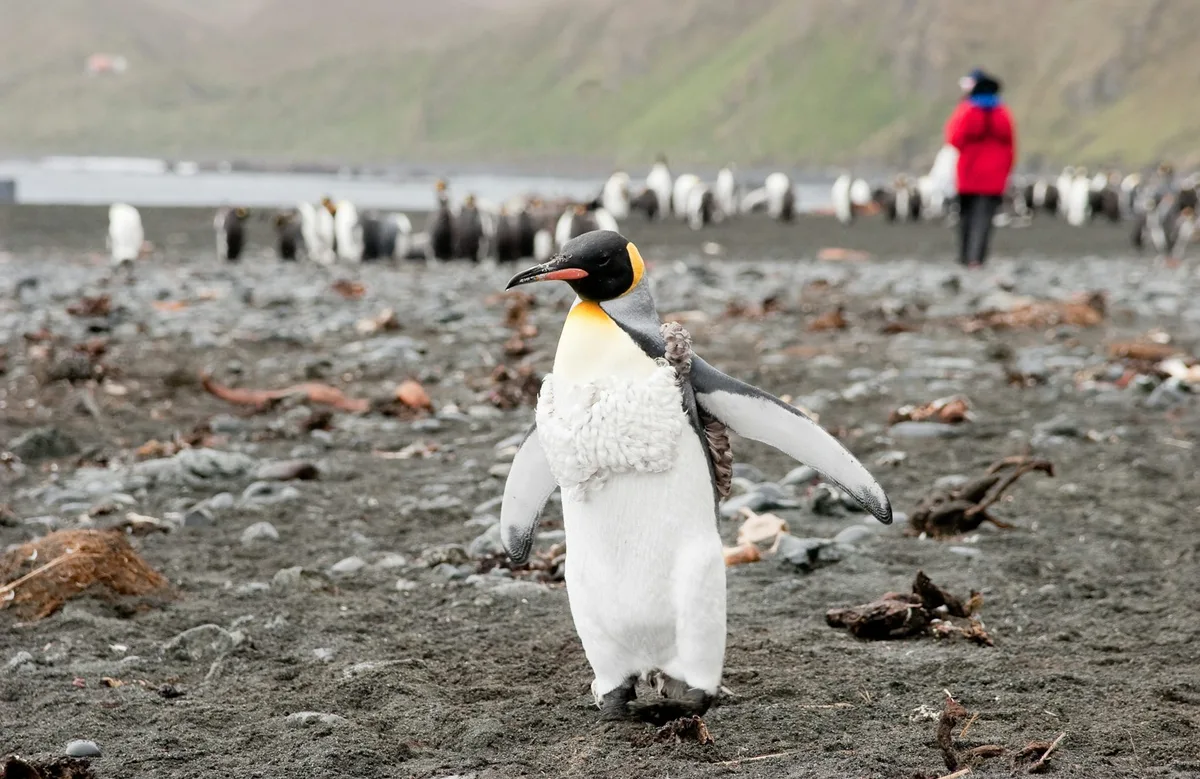
PhillDanze/Getty Australia’s Macquarie Island lies deep in the Southern Ocean, about 1,500 kilometres southeast of Tasmania.
This World Heritage-listed sanctuary is a haven for species such as elephant and fur seals, penguins, albatrosses and petrels, and a key site for wildlife researchers.
But it is not safe from H5N1 bird flu.
This lethal virus is rapidly spreading across the Australian mainland and Southern Ocean, already hitting other sub-Antarctic islands including Heard Island .
However, the Australian government has decided to withdraw all 24 expeditioners – including scientists, tradespeople and support staff – from the site.
It says this is mainly to protect them from the psychosocial risks – the psychological harms of working in stressful or traumatic conditions – associated with living through a potential H5N1 outbreak and the wildlife casualties it may cause.
Those risks are real.
Witnessing mass wildlife deaths could be deeply distressing for any person.
But taking everyone off the island means the scientists who work there cannot document an outbreak as it unfolds, or understand what is happening to wildlife populations we have studied for decades.
At Macquarie, monitoring is vital Scientists have worked at Macquarie Island for more than 70 years, and withdrawing all personnel will disrupt long-term wildlife, climate, atmospheric and geological monitoring, well beyond the bird flu response.
For southern elephant seals, the stakes are particularly high.
The species is considered “vulnerable” on the IUCN Red List and under Australia’s Environment Protection and Biodiversity Conservation Act.
Decades of monitoring show numbers of breeding females at Macquarie’s major colony have fallen sharply, dropping from 9,400 in 1949 to 2,550 in 2023.
The federal recovery plan for this species identifies disease outbreaks as a threat and calls for regular, scientifically robust monitoring.
5News aggregated this summary from the outlet’s public feed. The full article, with all the context, is on theconversation.com — the content belongs to The Conversation Australia.