Why most health apps are biased even before their first lines of code are written
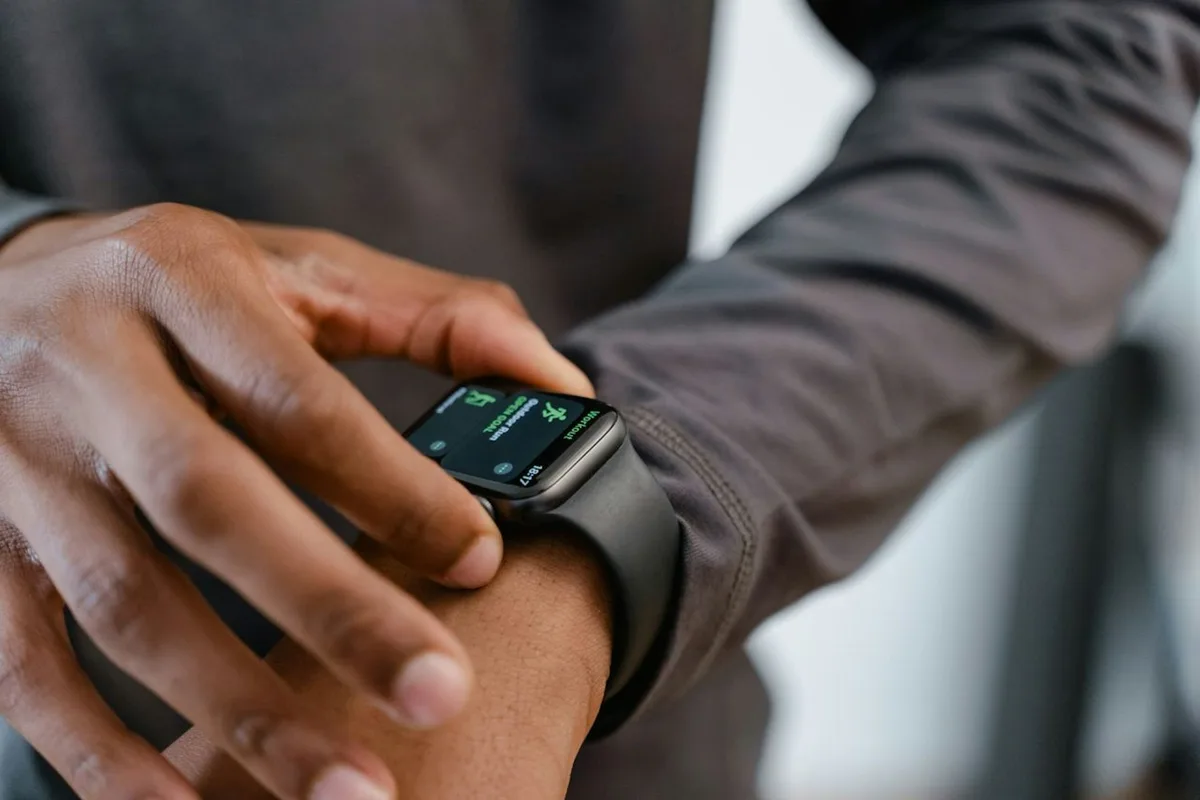
Mart Production/Pexels Many of us use digital health tools every day, such as period trackers, fitness apps or online quizzes to check our mental health.
These mobile apps, wearable devices, and diagnostics often based on artificial intelligence (AI), are shaped by the data they are trained on, and the knowledge and assumptions of the people who build them.
But the datasets behind these digital tools often represent a narrow segment of the population.
So the resulting health technologies can cause real harm to those who are under-represented.
For example, algorithms used to diagnose skin conditions are often largely trained on light skin.
We’ve known for almost a decade this can result in misdiagnosis in people with darker skin .
These injustices do not remain static.
A biased AI algorithm may shape how health care is delivered, which may then inform how subsequent algorithmic models are developed.
This creates self-reinforcing loops that can worsen health inequities over time.
Our recent article , which involves collaborators from ten countries, shows a better way of developing these digital tools.
If these tools are to be inclusive, equitable and truly valuable, we need to start having certain conversations even before a single line of code is written.
What’s the issue? We draw together evidence showing digital health tools are mainly shaped by Western, Eurocentric approaches that may overlook diverse understandings of health and wellbeing.
They’re often built on invisible assumptions about what good health and wellbeing means, whose bodies are considered “normal”, and which forms of knowledge matter.
When it comes to shaping these health tools, technology companies, funders and research institutions hold the power.
5News aggregated this summary from the outlet’s public feed. The full article, with all the context, is on theconversation.com — the content belongs to The Conversation Australia.