Is pasta a type of noodle? The surprisingly serious debate over two beloved carbs
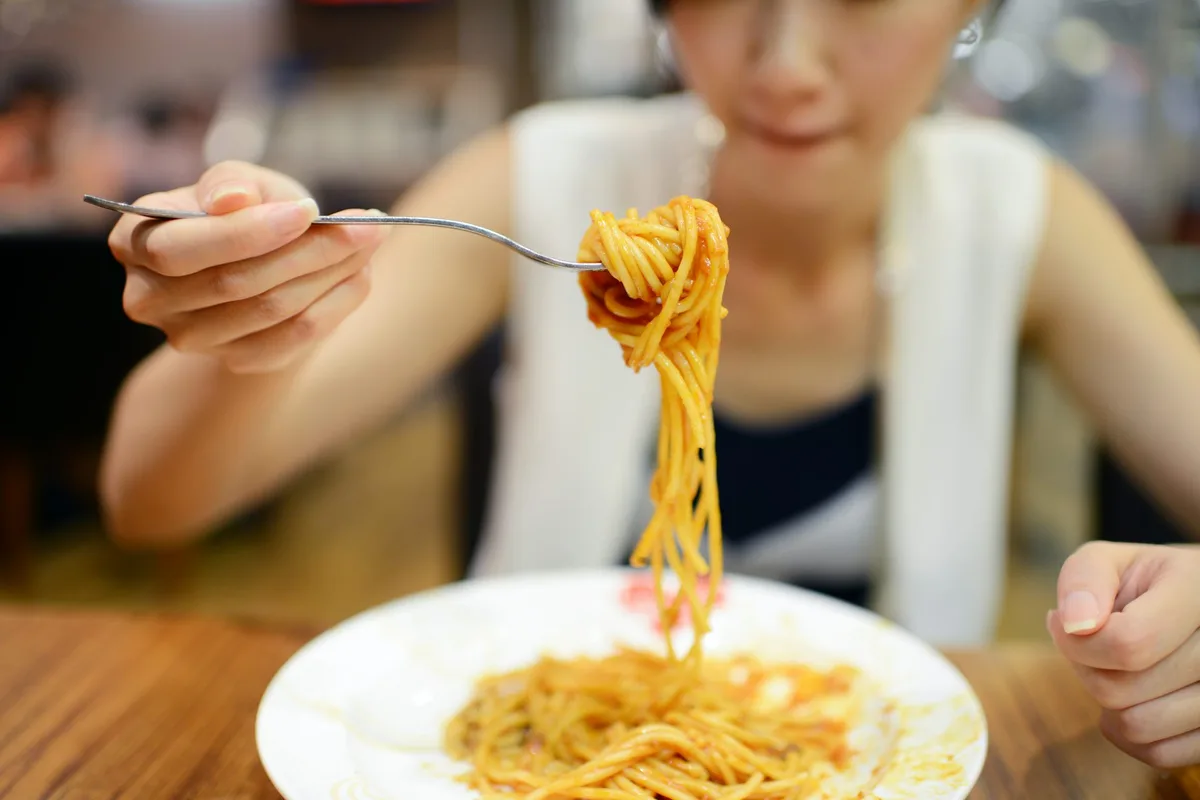
Getty Images Certain taxonomic debates resurface time and again.
When does a pond become a lake , or a sea an ocean? When does a cup become a bowl? And when does a dialect become a language? Similar debates rage on in the food forums, including the age-old question: what’s the difference between pasta and noodles? Can you really compare ramen with spaghetti, or penne with pad thai? At first glance, “noodles versus pasta” might seem like a frivolous variant of the East–West power struggle.
But it turns out a lot of people have a lot to say on the matter.
When foods defy categorisation As food around the world globalises, the link between authentic and fusion food continues to blur.
In many contemporary recipes, “pasta” and “noodles” can be used interchangeably.
This fluidity has allowed for the emergence of a kind of third-culture cuisine.
The language we use can also blur these lines.
For example, “vermicelli” (which translates to “little worms” in Italian) was originally the name given to a certain shape of pasta made from durum flour and water (and sometimes eggs).
But it’s now also used to refer to noodles made from rice flour, or “glass” mung bean flour noodles – both of which feature in various Asian dishes.
Vermicelli can be made from a variety of starches and is eaten by many different cultures, including in India and Vietnam.
Getty Images And let’s not forget other cultures that have their own types of noodles, such as Germany’s EU-protected Swabian spätzle.
Marco Polo: the myth, the man, the misinterpreted Perhaps it’s a matter of origin stories – a simple case of which one came first ? Physical evidence for noodles can be traced back traced to ancient China, as far back as 4,000 years ago.
Pasta came much later, with a flurry of myths surrounding its origins.
Arguably the most famous of these is that Marco Polo came across noodles in China and brought it back to Italy as pasta in the late 13th century.
5News aggregated this summary from the outlet’s public feed. The full article, with all the context, is on theconversation.com — the content belongs to The Conversation Australia.