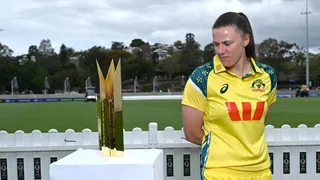
BBL sell-off plans will be on the right side of history
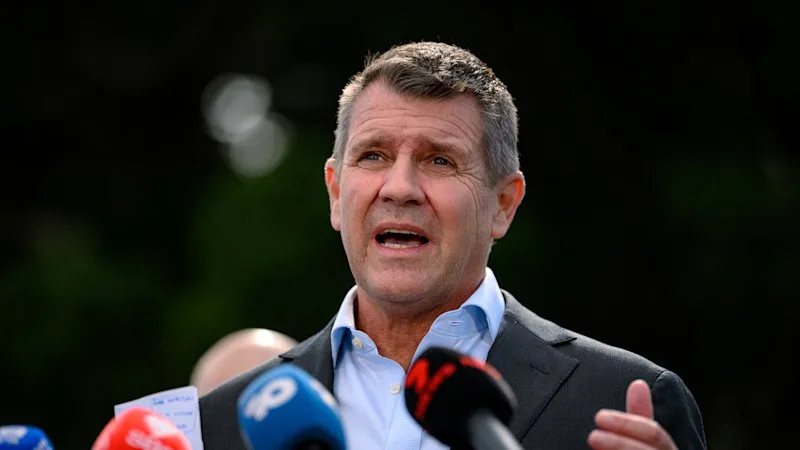
Cricket NSW’s negative commentary on Big Bash League clubs privatisation plans suggests it will threaten the system, risks long-lasting impacts at all levels and endangers a model that is “the envy of the world.”
While it is concerning rhetoric, it is also, on the evidence, not supported by facts and backs the wrong side of history.
Strip away the emotion, and Cricket Australia’s case for external investment in the clubs is straightforward and offers an exciting path that ensures global leadership in growing TV audiences (and hence media rights) and attendances. Critically, it also reinforces Test cricket.
BBL and TV audiences have grown significantly following CA’s decision in 2023–24 to cut the BBL to 44 games.
However, fielding Australia’s centrally contracted stars in the league is a challenge. The salary pool intended to keep Australia’s best players at home has been increased from $1.9 million to more than $3 million per squad. That’s just to remain competitive with emerging leagues in South Africa and the United Arab Emirates — competitions that didn’t exist five years ago and can potentially outbid the BBL for Australian players.
It helps to be clear about what “cricket” now includes because the debate is too often framed as T20 eroding the “real” game.
It isn’t. Even the Board of Control for Cricket in India — an organisation with every incentive to focus on T20 — calls Test cricket “the bedrock of our game” and backs it with a financial incentive scheme for players who prioritise red-ball cricket.
Modern cricket is a dual-format sport: Tests supply history and depth, and T20 provides the commercial engine that funds the lot. Since the Indian Premier League’s 2008 launch, T20 has grown.
Sixteen leagues operate worldwide, 87 nations entered qualification for the 2026 T20 World Cup cycle, and cricket (T20) will return to the Olympics in 2028 at Los Angeles after a 128-year absence.
Not coincidentally, India is a favoured bidder for the 2036 Olympics. No comparably short, spectator-friendly format in any other sport has built anything like it. But none has become a standalone financial engine for its parent sport the way T20 funds cricket.
That’s the opportunity NSW is arguing Australian cricket should avoid.
The IPL is worth roughly $18.5 billion, built almost entirely on media rights.
It sits within the world’s top 10 sports leagues by value and holds the sixth-highest sports broadcast rights value globally.
IPL club owners have gone shopping abroad - Reliance, GMR, RPSG, Sun Group - because there’s only one Mumbai Indians licence at home. South Africa sold its entire domestic T20 competition to those same IPL groups in 2022 and has recorded broadcast growth of up to 47 per cent locally and 257 per cent in Indian media reach.
5News aggregated this summary from the outlet’s public feed. The full article, with all the context, is on www.watoday.com.au — the content belongs to WAtoday.