'A lot of work to be done': Australia's major health win faces its next challenge
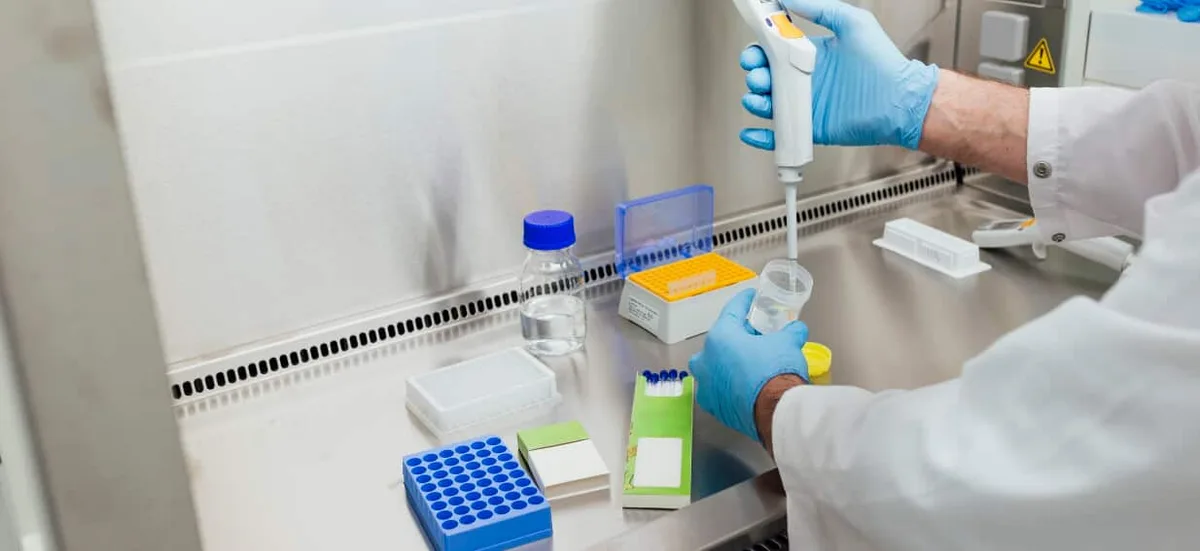
HIV diagnoses have fallen significantly over the past decade, with Australia on track to achieve preliminary UN targets as part of a world-leading response, but experts say progress remains uneven across communities.
The latest Australian HIV and sexually transmitted infection data show that, overall, HIV diagnoses in Australia have fallen 25 per cent in a decade.
From 2016 to 2025, there was a 28 per cent decline in HIV diagnoses among males, and no change among women, a feature of the data attributed to high rates of testing, treatment and use of pre-exposure prophylaxis medicine, known as PrEP, among men who have sex with men.
Australia is a signatory to the Joint United Nations Programme on HIV/AIDS (UNAIDS), which leads the global effort to end AIDS as a public health threat by 2030.
Currently in Australia, 94 per cent of people living with HIV have been diagnosed, 95 per cent of HIV-positive people are receiving treatment. Of that figure, 98 per cent of treatments have resulted in suppressing HIV to undetectable and virtually untransmittable levels.
Your trusted source for staying up-to-date with the world around you. Get free daily news updates and analysis, straight to your inbox.
While it is expected Australia will achieve the preliminary UNAIDS targets, where 95 per cent of people living with HIV are diagnosed, 95 per cent of those diagnosed are on treatment, and 95 per cent of those on treatment have HIV that is virally suppressed, analysis from the Kirby Institute at the University of New South Wales has shown that some groups are being left behind.
The HIV notification rate — a figure that accounts for the change in growing populations — showed that the overall rate of HIV notification per 100,000 people had dropped from approximately 4 in 2016 to just under 3 in 2025.
The notification rate was seven times higher among males than females in Australia.
In 2025, the transmission of the majority of HIV cases was attributed to male-to-male sexual contact, at 64 per cent, while 26 per cent were attributed to heterosexual sexual contact, and a small proportion, 3 per cent, were attributed to injection drug use.
Rates of HIV remain low among people who inject drugs in Australia and among sex workers, which Kirby Institute epidemiologist Dr Skye McGregor said reflected the strong and long-running community response to HIV among priority populations.
The most recent period, 2025, saw the highest number of HIV diagnoses in First Nations peoples, with 3.9 notifications per 100,000 — 1.9 times the diagnosis rate for Australian-born non-Indigenous people.
McGregor said this reflected a need to work closely with communities to ensure prevention, treatment and testing responses were appropriate.
More than half of gay and bisexual men diagnosed with HIV were born overseas, and from 2016-2025, while diagnoses among gay and bisexual men born in Australia reduced by 48 per cent, for those born overseas, that figure was only 18 per cent.
5News aggregated this summary from the outlet’s public feed. The full article, with all the context, is on www.sbs.com.au — the content belongs to SBS News - Latest.