Landmark study finds 1.7 million Australians may be vulnerable to measles as overseas-linked cases rise
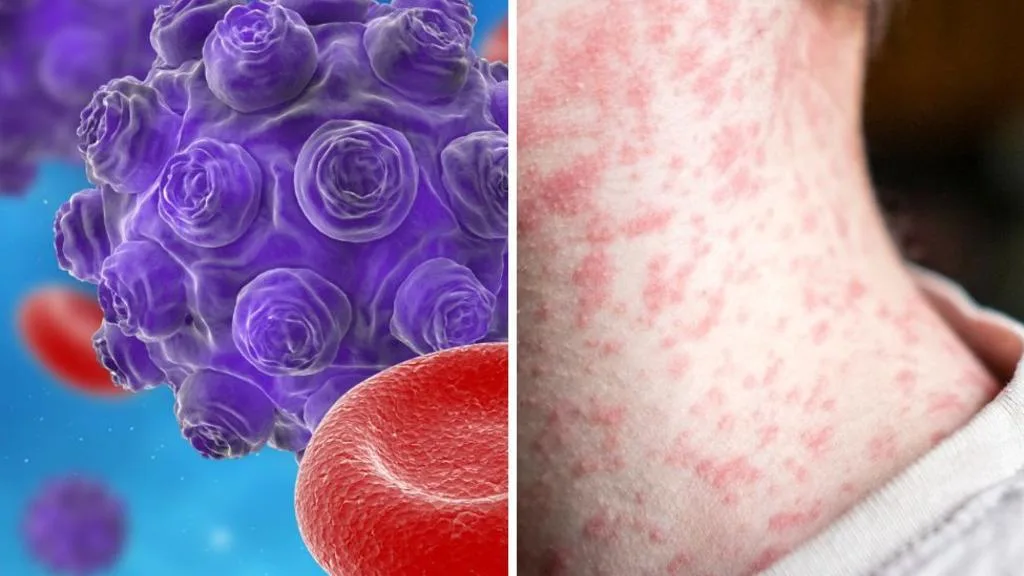
Australia’s shield against measles is showing cracks, with a landmark study finding about 1.7 million people were vulnerable to the virus and warning the gaps could now be even wider.
The new Australian research, led by the National Centre for Immunisation Research and Surveillance, found 6.7 per cent of the population did not have enough immunity to measles in 2019, meaning almost seven in every 100 people were unlikely to be well protected if exposed.
The study paints a detailed picture of who is most at risk at a time when measles cases linked to overseas travel are climbing sharply.
National measles notifications have jumped from single figures in 2022 to 181 cases in 2025, with 113 cases already recorded so far in 2026, according to recent data from the National Notifiable Diseases Surveillance System.
Lead author Zoe Croker said the findings should be a reminder that Australia’s long-running measles success story shouldn’t be taken for granted.
“Australia remains a measles elimination success story, but our findings show we’re closer to the minimum level of population protection needed to prevent outbreaks than many people might expect,” Ms Croker said.
The study found Australia’s overall measles immunity sat at 93.3 per cent in 2019. That keeps the country within the World Health Organisation target range of 93 to 95 per cent for herd protection but only just, and the protection is not spread evenly.
“While we have maintained our measles elimination status since 2014, protection isn’t shared evenly across the population, and the margin for error is relatively small,” Ms Croker said.
“Importantly, population immunity may now be slightly lower than our 2019 estimate, given that childhood vaccination rates have declined since the Covid-19 pandemic.”
Researchers found the biggest immunity gaps were among babies too young to complete their full measles vaccination schedule and Australians born from the late 1970s onwards.
Every birth group from 1977 forward was estimated to have at least 5 per cent of people susceptible to measles.
That matters because many people in those age groups are now raising young families and travelling overseas more often, increasing the chances of the virus being brought back into homes and communities.
The study also found people aged 15 to 35 made up half of all measles cases reported in Australia between 2008 and 2022.
Ms Croker said measles was “one of the most contagious diseases known”.
5News aggregated this summary from the outlet’s public feed. The full article, with all the context, is on www.perthnow.com.au — the content belongs to PerthNow.