What does bird flu do to humans and does it have pandemic potential?
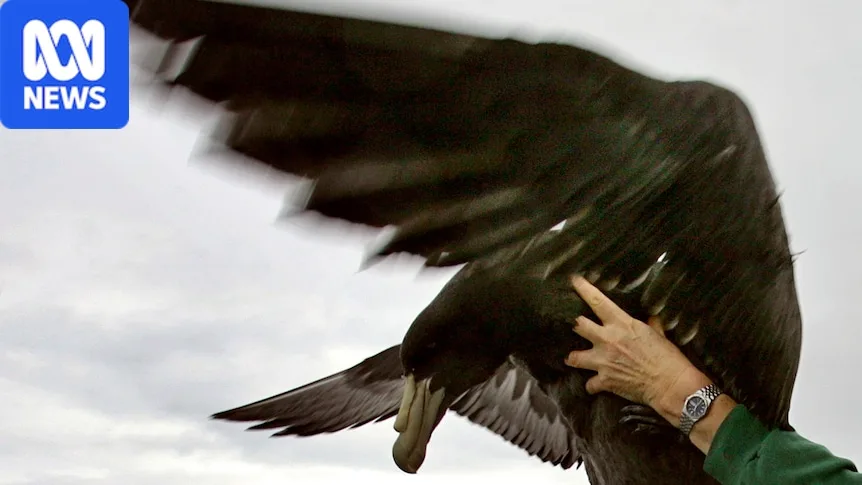
The detection of a deadly strain of bird flu in seals in Australia may have you wondering about the risk to humans.
Although H5N1 has previously spread to mammals elsewhere in the world, the chance of people catching it is considered low by Australia's Centre for Disease Control (CDC).
Since a dominant new clade, H5N1 2.3.4.4b, emerged in Europe six years ago, there have been just 141 reported cases of H5N1 globally, including 24 deaths.
CDC director-general Zoe Wainer said bird flu rarely transmitted from animals to people and spreading between people was also very rare.
While the current risk of being infected is low, with no human cases in Australia, scientists are studying the potential of the virus to mutate and cause a human pandemic in the future.
Raina MacIntyre, the head of the biosecurity program at the Kirby Institute, said flu viruses mutated rapidly and the H5N1 strain had already changed a lot since it emerged.
That's because the virus has been hopping around a lot of different species beyond birds.
"There's much greater opportunities for mixing between humans and infected birds or animals," Professor MacIntyre said.
So how can you catch H5N1, what are the symptoms and how can you help protect yourself if it takes hold in Australia?
So far, most infections have come from close contact with farm animals.
Seventy-one of the H5N1 cases in humans in the past six years have been in the US and mostly among poultry and dairy farm workers.
Only a handful of people in the US have been infected from contact with wild animals or unknown sources.
Professor MacIntyre said there were a couple of ways people could get bird flu from poultry.
"The virus can be transmitted from infected poultry by direct contact or aerosolisation of any poultry components including faeces, respiratory secretions, and contaminated dust in coops, as well," she said.
5News aggregated this summary from the outlet’s public feed. The full article, with all the context, is on www.abc.net.au — the content belongs to ABC News Australia - Science.