Play-fighting or just fighting? New study suggests a rethink on how we play with cats
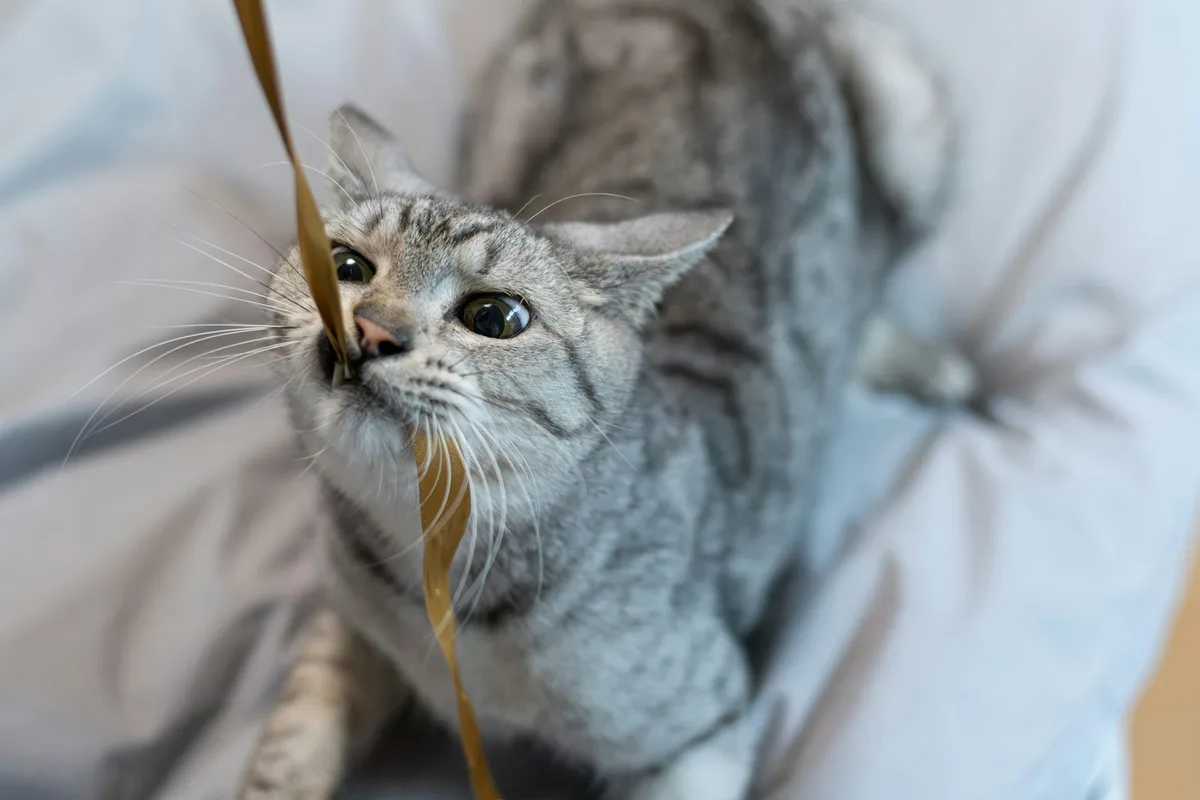
rai/Getty Images Have you ever watched online videos of people “playing” with cats and noticed the cat doesn’t actually look like they’re having fun? If so, you’re likely better than the average person at reading cat body language.
Regular interactive play supports cats’ physical health , reduces stress , and strengthens the human–cat bond .
But according to our most recent study , what many people think of as “play” may not be play at all.
In fact, these interactions cause cats annoyance or stress.
When ‘play’ isn’t actually play When playing, both human and cat need to tell apart behaviours that might be threatening in other contexts, such as sudden movements, swatting or chasing.
Research shows people struggle to interpret cat communication and often fail to notice when a cat doesn’t want to play .
Even when they do notice, many people choose to continue anyway.
Read more: Do you speak cat? Take this quiz to find out To understand why people might misinterpret or ignore cat stress signals, in our new study we analysed 1,100 comments on social media videos hosted on YouTube, TikTok, Instagram and Facebook depicting harmful “play”.
To avoid viral videos disproportionately influencing analysis, only the first 100 comments from each video were analysed.
Comments came from a mix of cat owners and non-cat owners.
All 11 videos included clear signs of cat distress such as hissing, biting, attempting escape, visible human injuries and, in some cases, cats being physically harmed.
Despite this, 75–93% of comments on all videos were positive.
How come? Why do people misinterpret cats? Viewer misinterpretations appeared to be shaped by people’s existing beliefs about cats, human–cat dynamics, and what is fun or funny.
Many comments normalised rough handling, reframed signs of stress as excitement or affection, or trivialised them as “cute” or “funny”.
5News aggregated this summary from the outlet’s public feed. The full article, with all the context, is on theconversation.com — the content belongs to The Conversation Australia.