Ebola quarantine hindering response: aid workers
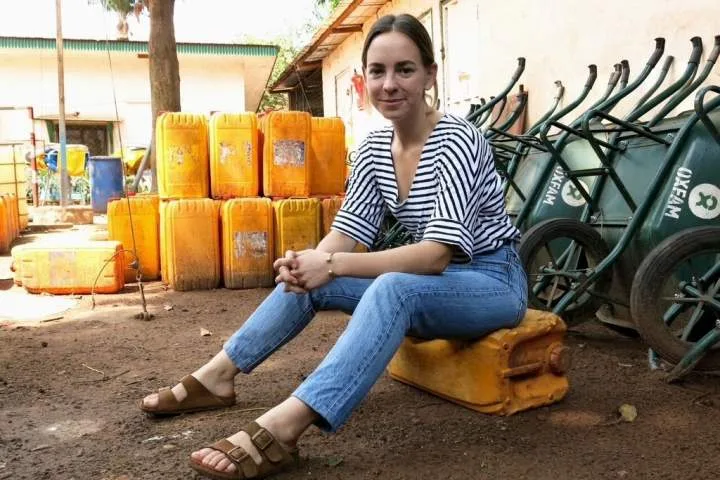
TORONTO – The night before Lily-Madeleine Seguin was set to book her flight to the Democratic Republic of Congo in late May, the Canadian government announced a three-week quarantine for travellers returning from the Ebola-stricken country.
Seguin, a public health promotion adviser with Oxfam’s global humanitarian team, had all of her final sign-offs and approvals green-lit. Her booster shots were updated.
She was ready to fly out two days later for a two-month deployment when she heard the news. It came as a shock to Seguin, who has been a part of previous Ebola outbreak responses in the DRC, including an 11-month deployment in 2018.
But she never went. There wouldn’t be enough time to quarantine between her return and the beginning of a sabbatical she had scheduled months before.
Now, three months later, the government’s mandatory 21-day quarantine is set to expire on Aug. 29. As the outbreak rages at an unprecedented speed, Seguin said she hopes Canadian officials will reverse course.
“To me, we’re not stepping up in the way that we should be as a country that does have the ability to do it and changing the quarantine regulations is a low-stakes way of being able to do it,” Seguin said.
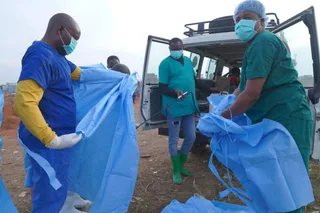
Canadian humanitarian aid workers say their ability to respond to the outbreak has been stifled by the country’s long quarantine period, forcing some to stay home or cut their deployments short. They say an extension of the mandatory 21-day quarantine for Canadians and permanent residents returning from the DRC, Uganda or South Sudan could be detrimental to the outbreak response.
The World Health Organization has said this is the fastest-growing Ebola outbreak in history, on track to be the deadliest, with Africa’s top public health agency reporting more than 2,500 deaths out of more than 5,000 infections.
Canada’s government said it’s currently reviewing the restrictions and latest evidence alongside international partners and will announce a decision on next steps before the expiration date next week.
When the measures were announced in May, the approaching FIFA World Cup was pegged as a key reason for the strict rules, aligning with co-hosting countries, the United States and Mexico. Canada’s health minister said at the time that “it’s not a question of science,” but of protecting people from the lasting trauma of past outbreaks.
At least 11 Canadians with highly valuable expertise have had to cancel their assignments with MSF, also known as Doctors Without Borders, as of Aug. 20 because of the quarantine measures, the organization says.
5News aggregated this summary from the outlet’s public feed. The full article, with all the context, is on globalnews.ca — the content belongs to Global News Health.