How to tackle persistent drought: Lessons from British Columbia

British Columbia has endured another extreme drought with damaging impacts seen across the province: a watershed emergency declared by the Syilx Okanagan Nation , 70 per cent water use reductions for agricultural producers in Vernon , regulatory orders to protect salmon and explosive wildfires driven by severe drought conditions.
Playing out year over year, the chaotic cycle of drought crises has become a familiar experience for British Columbians.
We argue it’s the result of provincial water management that continues to treat drought as a short-term seasonal emergency rather than the year-round, persistent problem it has become.
A recent report by our team and collaborators at the University of Victoria’s POLIS Water Sustainability Project examined B.C.’s drought past, present and future.
We provide insights about how drought is changing, gaps in provincial government drought response and the reforms needed to build a more drought-resilient future.
B.C. continues to set new records for drought severity, extent and duration.
In 2023, severe drought hit approximately 85 per cent of the province .
And, increasingly, droughts arrive in spring and persist into winter, creating continuous, multi-year droughts.
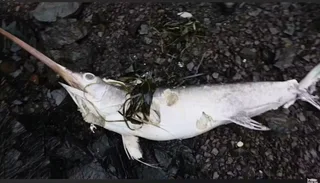
Recent droughts have resulted in massive fish die-offs , farmers experiencing 50 per cent less production and loss of livestock , communities (like Dawson Creek , McBride and the Sunshine Coast ) in months-long states of emergency, and increasing conflicts over scarce water.
While the 2023 drought was unprecedented, climate change projections indicate this type of extreme event will likely occur once every three years (or more often) in the coming decades.
Drought is not just a water problem Climate change and fundamental shifts to hydrology are key drivers of drought.
But drought and water scarcity (when there is not enough water to meet ecological and human needs) are also shaped by human decisions about land and water, like whether water is over-allocated, wetlands are drained or forests are clear-cut.
Community planning and choices about land and water management influence how much of a buffer we have and our ability to adapt to drought and scarcity.
Read more: Clear-cut logging is making floods worse.
5News aggregated this summary from the outlet’s public feed. The full article, with all the context, is on theconversation.com — the content belongs to The Conversation Canada.