Friday, 9 October 2026 SourcesAbout🌓
🇮🇳 IN ▾
BREAKING
› Meezaan Jafri headlines Killer Jeans' Genes of India campaign› Hanuman Ansh, Cocktail 2 create tourism BOOM: Kainchi Dham witnesses MASSIVE crowds; Italy bookings jump 38%› Awarapan 2 gets OTT premiere: Emraan Hashmi starrer starts streaming on Prime Video› In graphics: Police’s ‘fail-safe plan’ to block CJP’s Jantar Mantar protest› NCC shares rise 5% on securing ₹1,286 crore road project order in Telangana› Opposition says will meet President Droupadi Murmu at 8 pm amid stir against EC› 'Please appreciate, see students' future': Top court refuses to reopen FIRs over CJP's July stir› Delays of several hours: Passenger trains using slower freight locos amid shortage› Australia bat, bring in Maddinson after a decade› West Bengal SIR: Supreme Court mulls having tribunals first hear deleted voters seeking re-inclusion› Meezaan Jafri headlines Killer Jeans' Genes of India campaign› Hanuman Ansh, Cocktail 2 create tourism BOOM: Kainchi Dham witnesses MASSIVE crowds; Italy bookings jump 38%› Awarapan 2 gets OTT premiere: Emraan Hashmi starrer starts streaming on Prime Video› In graphics: Police’s ‘fail-safe plan’ to block CJP’s Jantar Mantar protest› NCC shares rise 5% on securing ₹1,286 crore road project order in Telangana› Opposition says will meet President Droupadi Murmu at 8 pm amid stir against EC› 'Please appreciate, see students' future': Top court refuses to reopen FIRs over CJP's July stir› Delays of several hours: Passenger trains using slower freight locos amid shortage› Australia bat, bring in Maddinson after a decade› West Bengal SIR: Supreme Court mulls having tribunals first hear deleted voters seeking re-inclusion
Science

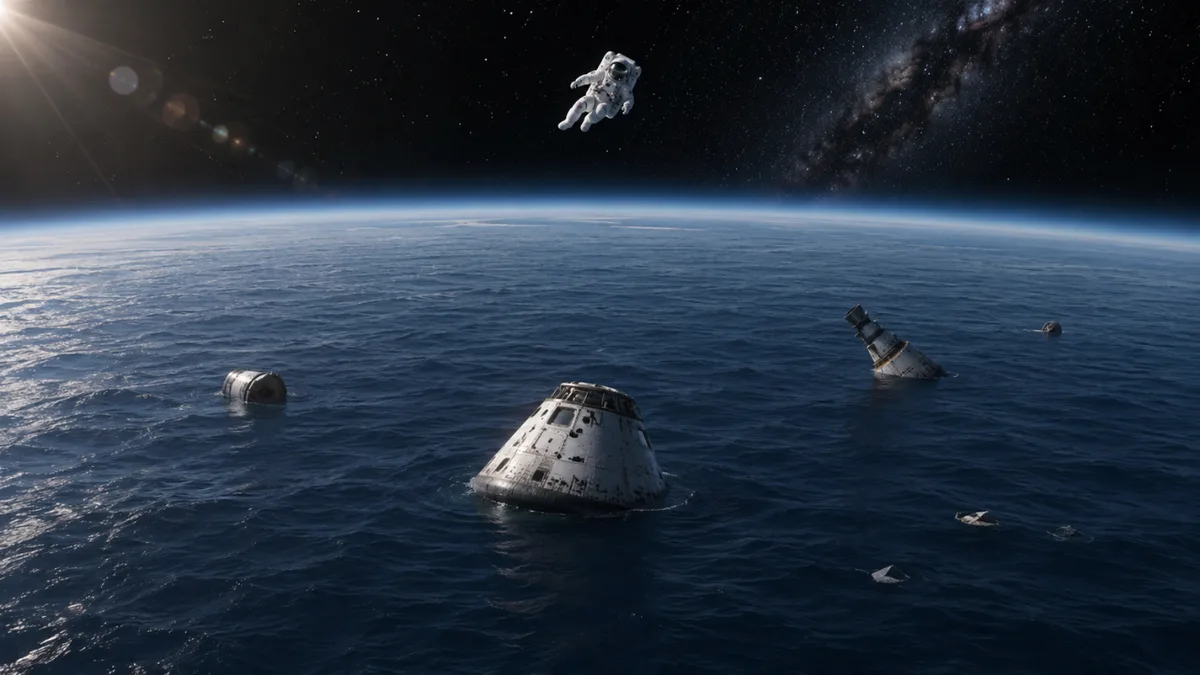
Point Nemo is so remote that astronauts can be closer than people on Earth
Times of India - Science ·
Point Nemo is so remote that astronauts can be closer than people on Earth

Point Nemo, situated in the Pacific Ocean, is known as the world's only spacecraft cemetery since 1971, housing over 263 retired satellites and rocket stages.

This strategic disposal method aims to mitigate orbital debris and safeguard populated areas from falling debris.

However, the remnants may endanger marine ecosystems due to their potential hazardous materials.

Current international regulations prioritize human safety instead of preserving this unique marine environment.

Read the full article on Times of India - Science ›

5News aggregated this summary from the outlet’s public feed. The full article, with all the context, is on timesofindia.indiatimes.com — the content belongs to Times of India - Science.
More from Times of India - Science

See all ›

More in Science

See all ›