Are you taking vitamin D at the right time? Neurologist Dr Priyanka Sehrawat shares the best way to take the supplement
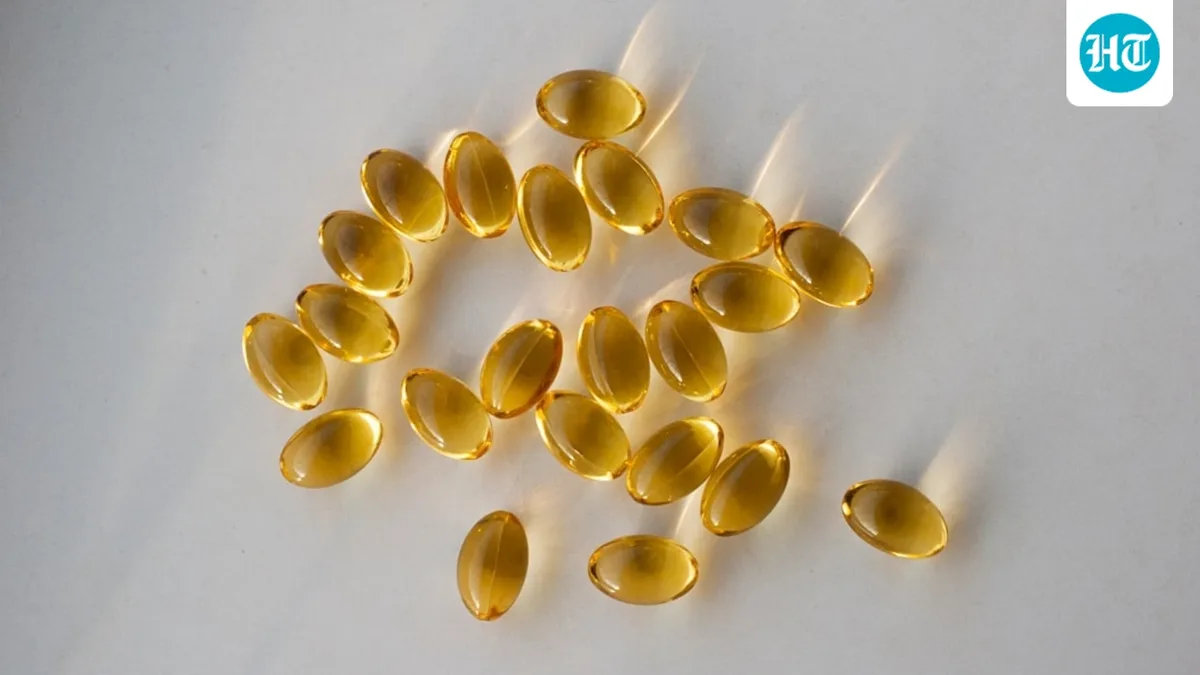
Vitamin D is an essential nutrient that plays a key role in keeping our bones strong, supporting calcium absorption and maintaining immune function . While the body can produce vitamin D when sunlight triggers its synthesis in the skin, deficiency remains incredibly common, making supplements a widely prescribed option. However, simply taking a supplement may not be enough – how and when you take it can also affect how well your body absorbs and utilises it.
Also Read | Heat wave making migraines worse? Neurologist shares 10 lifestyle tips to prevent attacks and manage headaches
Dr Priyanka Sehrawat, a general physician and neurologist trained at AIIMS, New Delhi, and currently associated with The Neuromed Clinic in Gurugram, is breaking down the best ways to take vitamin D supplements to maximise their absorption and help the body utilise them effectively. In an Instagram video shared on August 20, the neurologist explains when to take the supplement and which nutrients to pair it with for better absorption.
Vitamin D is a fat-soluble nutrient and hormone precursor that plays a crucial role in maintaining strong bones, supporting calcium and phosphorus absorption, and regulating immune function. Vitamin D supplements are widely available in various forms. Since vitamin D is fat-soluble, consuming it alongside dietary fat can enhance its absorption.
Dr Sehrawat highlights, “Vitamin D supplements come in capsule form, in vials, in syrup form, and as sachets (meaning powder form) which you need to dissolve and take. Because vitamin D is a fat-soluble vitamin, the absorption of vitamin D is at its maximum when there is fat content in our gut – in our intestine.”
Dr Sehrawat advises her patients to take vitamin D supplements with the largest meal of the day, regardless of what time they have it. What matters most is that the meal contains a source of fat, as this can help enhance the absorption of the fat-soluble vitamin. So, if your breakfast or lunch is a substantial meal that includes healthy fats, that would be an ideal time to take your vitamin D supplement.
The neurologist highlights, “I tell patients to take it with whatever their largest meal of the day is. This is whenever they eat the most during the day – either when people eat a hearty breakfast, or if you are taking a good lunch (such as rice, curd, and vegetables) where the carbohydrate, fat, and protein content is very good. Take your vitamin D with the largest meal of the day at that time.”
While you can take vitamin D capsules or syrups along with your meals, the powdered form can be a little trickier, as it needs to be dissolved in a liquid. Water may seem like the most obvious choice, but Dr Sehrawat actually advises against it. Instead, she recommends dissolving powdered vitamin D in a glass of milk. This is because milk contains nutrients that can complement vitamin D absorption – it is not only a source of healthy fat but also provides calcium.
She elaborates further, “If you are taking vitamin D in the powdered form from a sachet – take it with milk instead of water. Why? First of all, milk is a good source of fat, and also healthy fat.
5News aggregated this summary from the outlet’s public feed. The full article, with all the context, is on www.hindustantimes.com — the content belongs to Hindustan Times - Health.