NASA and IBM open source lunar mapping tools
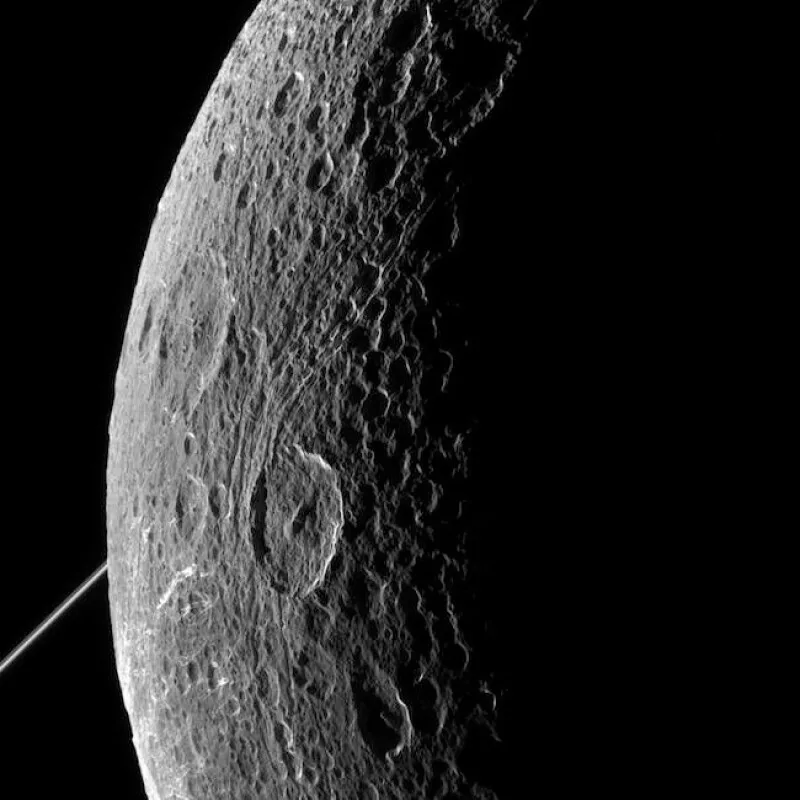
IBM and NASA have got together again and released an open source AI model of the Moon that could be used to make new discoveries about Earth’s natural satellite.
The NASA‑IBM Lunar Foundation Model has been trained on an extensive lunar observation dataset curated by researchers at the two organizations, and is available now on Hugging Face.
It is claimed as the first AI model to integrate observations captured in a range of modalities (data formats), and at different viewing angles and spatial scales.
Instead of sifting through maps and images by hand or using low resolution machine learning models, scientists can use this to analyze geographic features, the pair say.
In particular, NASA and IBM hope researchers will be able to discover previously unidentified lunar ice deposits, analyze volcanic features called Irregular Mare Patches, and identify and classify craters.
Lunar ice indicates the presence of water and oxygen, which may be useful for future manned missions.
It is found in permanently shadowed regions, which are among the most difficult areas to observe.
The NASA-IBM model combines multimodal and multi-resolution observations to better predict where ice may be present on the lunar surface.
Alongside the model, IBM and NASA scientists compiled an open-source lunar dataset from over 30 spatially-aligned layers, using data from nine instruments across four missions.
It combines tens of thousands of images and maps showing various geophysical properties of the lunar surface.
“NASA has spent decades building an extraordinary scientific record of the Moon, but collecting data is only part of the job,” said the space agency’s chief science data officer, Kevin Murphy.
“We also have to make data easier for scientists to explore and use.” “The NASA-IBM Lunar Foundation Model gives scientists a foundation to explore the Moon at scale, connecting observations across instruments, revealing patterns that are difficult to see in isolation, and providing an open platform the global research community can build on,” claimed IBM director of research for Europe, Juan Bernabe-Moreno.
This isn’t the first such project the two organizations have worked on together.
In 2023, the pair released Prithvi, an open-source foundation AI model to help scientists analyze satellite imagery.
5News aggregated this summary from the outlet’s public feed. The full article, with all the context, is on www.theregister.com — the content belongs to The Register.