iPhone 18 Pro benchmark boosted by giving it a cold drink
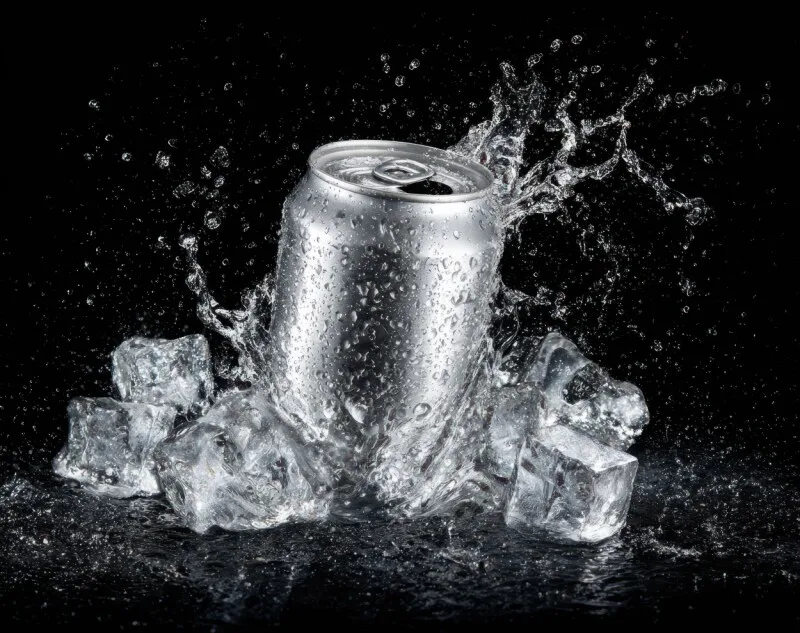
There’s nothing a quick break for a can of ice-cold sparkling water can’t solve - including improving thermal management on the iPhone 18 Pro, as it turns out.
Software developer Matt Birchler provided the data to prove it in a recent blog post detailing a bit of extra experimentation he did with his new iPhone 18 Pro alongside some benchmarking work.
To make a long story short, a cold can of La Croix (in Birchler’s case – the cooling potential of an aluminum can isn’t limited to name-brand sparkling “naturally essenced” water) takes an already beefy device to new levels of sustained performance by helping it shed heat and avoid thermal throttling.
One of the most notable upgrades in the latest version of Apple’s flagship smartphone is that vapor chamber, with the 18 Pro series containing one with three times the surface area of the version introduced in the 17 Pro series.
For those not familiar with the intricacies of modern smartphone guts, vapor chambers are a standard part of today’s top-tier devices.
They’re small, sealed units placed next to processors that contain a minuscule amount of water and a metal wicking structure, ostensibly to keep high-end chips from overheating.
As the water evaporates, the vapor moves away from the chip side of the chamber toward cooler areas, where it condenses.
The wicking structure then carries the liquid back toward the hot spot, allowing the cycle to begin anew.
As Birchler notes in his post about the iPhone 18 Pro’s benchmark performance, that improved vapor chamber size is in part responsible for its increased performance - sure, a beefier chip helped too, but this is a story about thermal management.
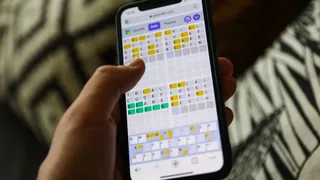
Birchler ran an iPhone 18 Pro, 17 Pro, and M4 Pro MacBook Pro through a benchmarking tool included in an audio transcription app he built called Quick Subtitles.
The test ran 20 times on each device using a built-in benchmarking file and used Apple’s on-device transcription model to do its work.
The 18 Pro clocked some impressive performance, varying between 447.9 and 320.9 words per second over the 20-run test - a 50 percent performance jump over the 17 Pro.
Both devices heated up, but at a different rate.
“It took a bit longer for [the iPhone 18 Pro] to start warming up, but once it did, it actually warmed up quicker than the iPhone 17 Pro,” Birchler wrote.
5News aggregated this summary from the outlet’s public feed. The full article, with all the context, is on www.theregister.com — the content belongs to The Register.