Wi-Fi 7's WPA3 protections come with a compatibility catch
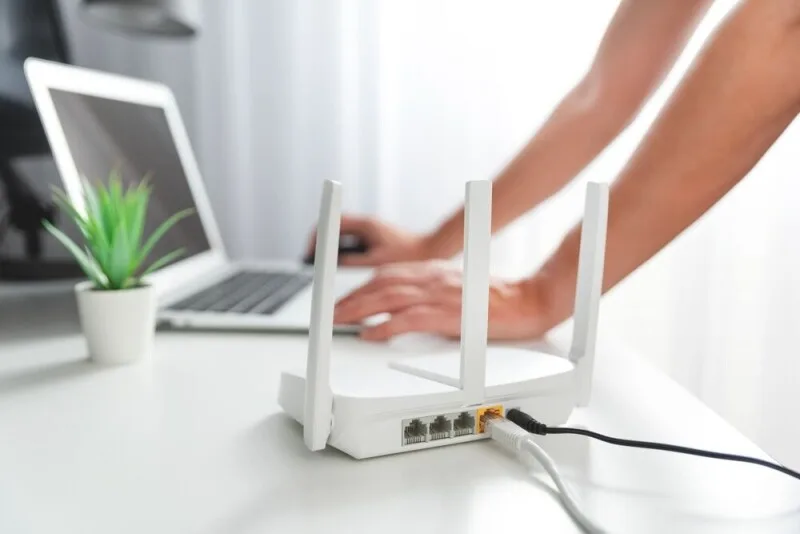
Broadband industry research body CableLabs is warning that attempts to make Wi-Fi 7 access points accommodate older devices can create compatibility problems of their own, and wants hardware makers to prioritize support for the industry's workaround.
Wi-Fi 7 products have been finding their way into buyers' hands for a couple of years now, with the Wi-Fi Alliance kicking off its certification program for the latest iteration of the wireless network tech at the start of 2024.
CableLabs is concerned about how Wi-Fi 7 hardware implements WPA3, the latest version of the Wi-Fi Protected Access security standard.
The Wi-Fi Alliance made WPA3 mandatory on the 6 GHz band used by Wi-Fi 6E and Wi-Fi 7.
WPA3 itself is not new, having been supported by Wi-Fi 6, while access points operating on the older frequency bands could use a transition mode to accommodate WPA2 devices.
According to CableLabs, more than 23 billion Wi-Fi devices are in use worldwide, many of them based on Wi-Fi 5 or even Wi-Fi 4 hardware.
This is especially true in domestic environments, where networks often comprise an eclectic mix of client devices, meaning that compatibility issues can arise despite industry efforts to maintain seamless interoperability.
WPA3-Personal Transition Mode allows an access point to offer WPA2 and WPA3 authentication on the same network, supporting both legacy and newer clients.
Alas, some legacy clients are not as forward-compatible as intended.
They are supposed to ignore any security options they don't recognize when setting up a connection, but some may misinterpret this information, leading them to fail to connect to the access point.
A consumer may therefore upgrade to a Wi-Fi 7 router or access point only to find that some older devices can no longer connect, "causing confusion and increased customer service calls for operators," CableLabs notes.
There is a technical answer, and CableLabs wants chipset vendors and makers of Wi-Fi 7 access points and clients to prioritize support for it.
The Wi-Fi Alliance devised WPA3-Personal Compatibility Mode (PCM), which moves the WPA3 and Wi-Fi 7-specific security information into Robust Security Network Override (RSNO) elements.
The access point can then advertise WPA2-Personal through the legacy RSN element, while clients that understand the new RSNO element can negotiate the stronger security required for Wi-Fi 7.
5News aggregated this summary from the outlet’s public feed. The full article, with all the context, is on www.theregister.com — the content belongs to The Register.