The cruelty of a beloved American pastime
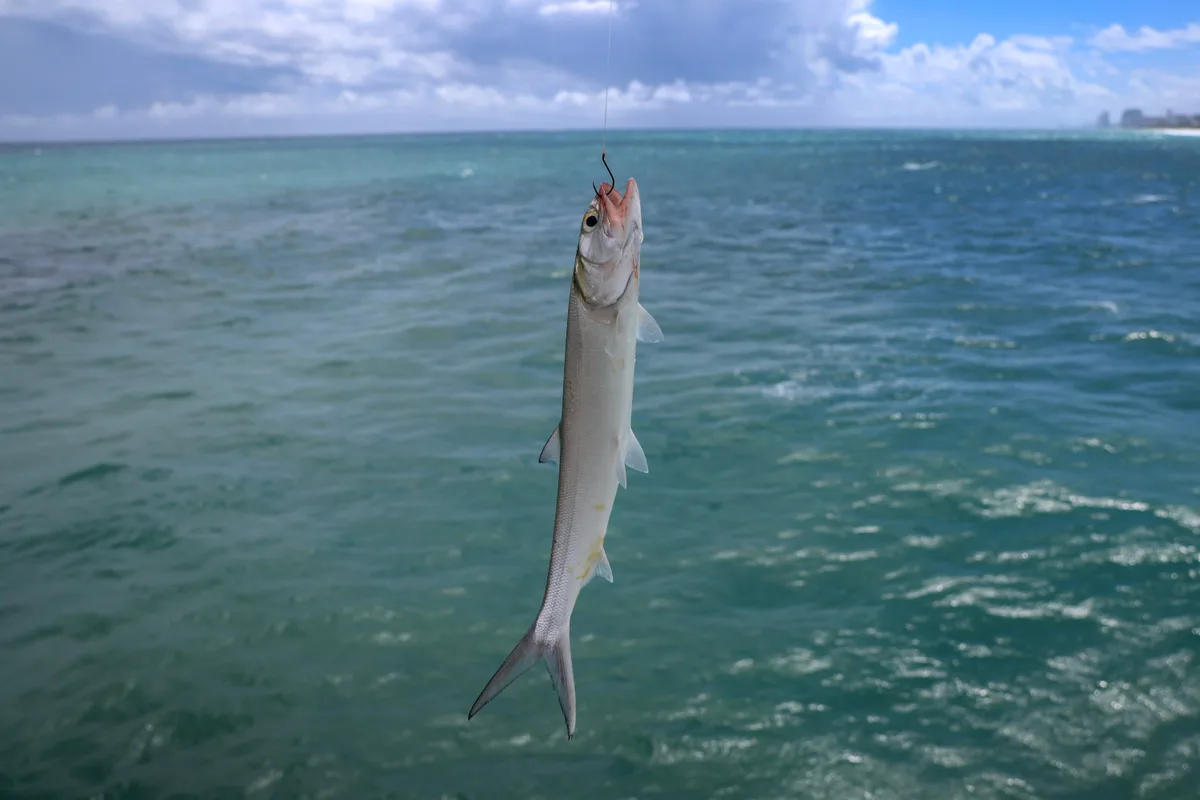
An angler reels in a ladyfish from the Atlantic Ocean at the Dania Beach pier in Florida. | Joe Raedle/Getty Images This story is part of a series supported by Animal Charity Evaluators, which received a grant from EarthShare.
When I was a kid, my family would occasionally go fishing on small row boats on the lakes of Montgomery County, Maryland.
The point wasn’t to catch fish to eat — we always released them — but rather to spend time together in nature.
And for a while, I looked back on those times fondly.
But as I’ve learned more about fish and their apparent capacity to feel pain , I now wonder: Was I just stabbing a bunch of fish in the mouth and throwing them back in the water, injured and vulnerable? Ted Kerasote , a nature writer and lifelong hunter and angler, asked himself some version of this question decades ago after fighting to reel in a silver salmon in Alaska — the last he ever released.
He still occasionally catches trout for dinner, but said that his decision to stop catch and release fishing that day in Alaska came down to looking at the situation critically: “Seeing this fish struggle for its life, for what end? I wasn’t going to eat it.
Catch and release regulations were in place there.
And so it was simply for my pleasure to fight this fish.” Each year, tens of millions of people take to America’s lakes, rivers, streams, and coastal waters to catch billions of fish .
Many of these fish only exist because US governmental agencies put them there ; each year, over 1 billion fish are bred in hatcheries and stocked in water bodies primarily for anglers.
And although firm estimates are hard to come by, it’s clear that the majority of fish caught are not kept for dinner, but tossed back in.
Many fishing grounds actually require fish to be released (more on that later).
While anglers report being primarily motivated to get on the water to commune with nature, spend time with friends and family, and relax, the whole endeavor is anything but pleasant for the fishes themselves.
After the steel hook pierces their oral tissue — and sometimes their eyes, gills, or esophagus — they’re often yanked around to the point of exhaustion before being reeled in.
Then they’re exposed to air while the hook is removed from their body (and sometimes also for a photo opportunity ), before the angler puts them back into the water.
5News aggregated this summary from the outlet’s public feed. The full article, with all the context, is on www.vox.com — the content belongs to Vox.