'Sexy Mantis,' obscene orangutan and prancing sparrowhawk feature in 2026 Nikon Comedy Wildlife Awards
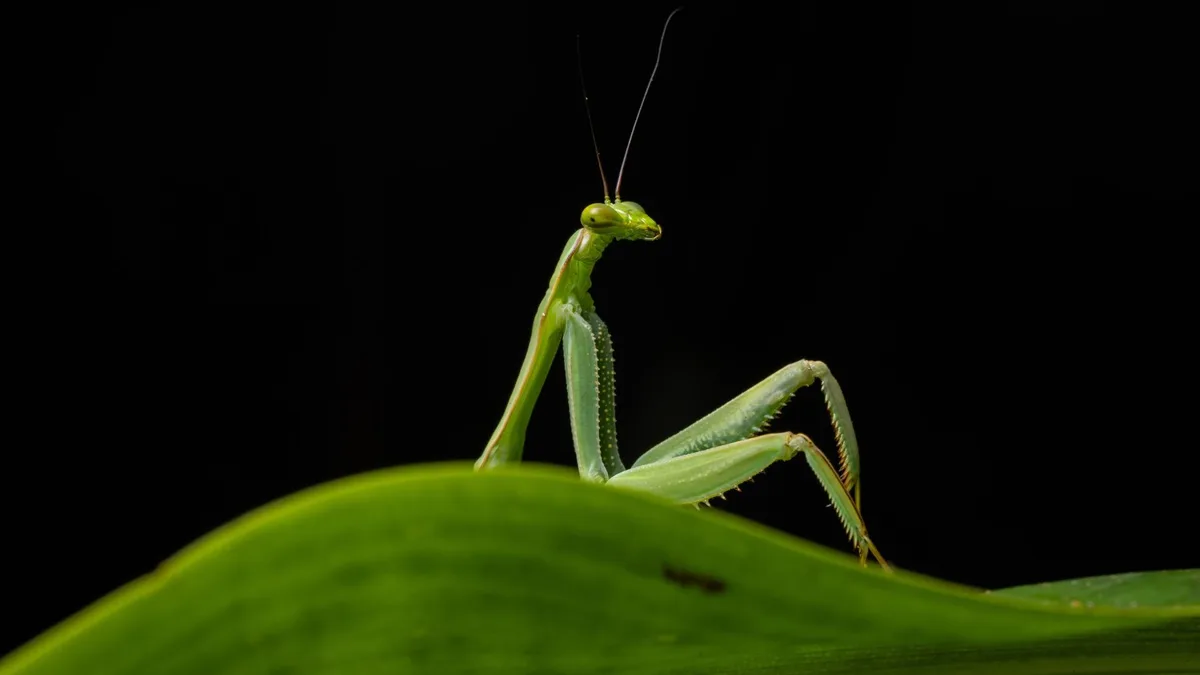
Have you ever wondered what it's like to be flipped off by an orangutan or seduced by a mantis? Well, wonder no more, thanks to the 2026 Nikon Comedy Wildlife Awards.
This photography competition showcases the amusing side of nature, usually by anthropomorphizing it in some way, and features a variety of comical critters from across the globe.
This year, a surprised owl and a brown bear striking a pose are featured among the more than 10,000 entries, with photographers competing for a luxury safari in Kenya's Maasai Mara National Reserve.
Live Science rounded up some of the funniest photos from the 2026 finalists for your enjoyment.
And yes, the orangutan and mantis have made it to the finals.
"Are You Kidding Me?" I'm owling with laughter. (Image credit: ©Kevin Lohman/Nikon Comedy Wildlife Awards) Here we see a squirrel launching itself at a great horned owl fledgling in Natural Bridges State Beach park in Santa Cruz, California.
According to photographer Kevin Lohman, the squirrel knocked the owl off its perch three times.
Our video channels editor, Elise Poore, said this photo really made her laugh.
I doubt the owl found it quite so funny.
However, great horned owls ( Bubo virginianus ) do hunt squirrels, so it's no surprise that these rodents can get a little tetchy around the birds.
"Spicy Orangutan" A critically endangered orangutan raises a finger in an unspecified area of Borneo. (Image credit: ©Tanner Mansell/Nikon Comedy Wildlife Awards) This "Spicy Orangutan" entry features a male Bornean orangutan ( Pongo pygmaeus ) raising one finger, giving the appearance that he's flipping off the camera.
In the description accompanying the image, photographer Tanner Mansell explained that the orangutan was finishing his meal at the time.
"Even though he was completely wild and just enjoying his food, I couldn't help wondering, 'Does he know what he's doing?'" Mansell wrote.
No, Mansell, he doesn't.
5News aggregated this summary from the outlet’s public feed. The full article, with all the context, is on www.livescience.com — the content belongs to Live Science.