ConnectOne Bank CEO: what Kevin Warsh’s ‘quieter Fed’ can teach CEOs about communicating uncertainty
In business, economic uncertainty has a way of putting pressure on leaders to provide answers before they actually have them.
Employees want to know where the company is headed, clients want to know what comes next, and investors want to understand what you are seeing.
The more complicated the environment, the greater that pressure becomes, and often the real challenge is that you simply do not have an answer yet.
That is why I have always believed there is an important difference between giving people certainty and giving them clarity, and we are watching Federal Reserve Chair Kevin Warsh wrestle with that distinction in real time.
Warsh has made it clear that he wants a Fed that communicates differently.
He has pulled back from the kind of forward guidance markets have become accustomed to and has been more guarded about predicting what the Fed might do next.
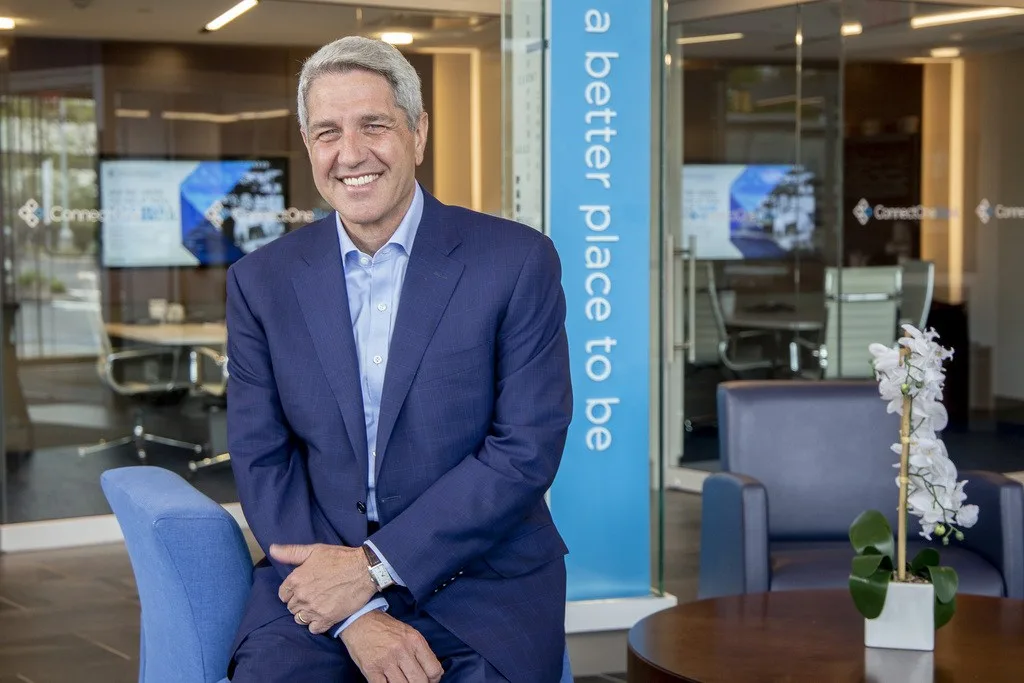
The basic idea makes sense: why lock yourself into tomorrow’s decision when tomorrow’s facts may be different? You do not have to predict the future to lead through it I started ConnectOne in 2005, and since then we have grown from a de novo community bank into an institution with nearly $15 billion in assets.
In that time, we have been through the financial crisis in 2008, a pandemic 12 years later, extraordinarily low rates, inflation, rapidly rising rates, technological disruption, bank failures, and constant political and economic uncertainty.
There was no playbook that told us what was coming next, and there still isn’t.
I spend a lot of my time talking with business owners, and they are constantly making decisions without perfect information: whether to buy a building, hire five more people, acquire a competitor, or borrow today instead of waiting six months.
Nobody can tell them with certainty where rates, inflation, or the economy will be six months from now, including me.
What I can do is talk through what is happening in their business today, their cash flow, their market, their risk, and what happens if rates move one way or the other.
Then they must make the decision themselves.
Leadership works the same way.
5News aggregated this summary from the outlet’s public feed. The full article, with all the context, is on fortune.com — the content belongs to Fortune.