A grim report card for the world’s schools
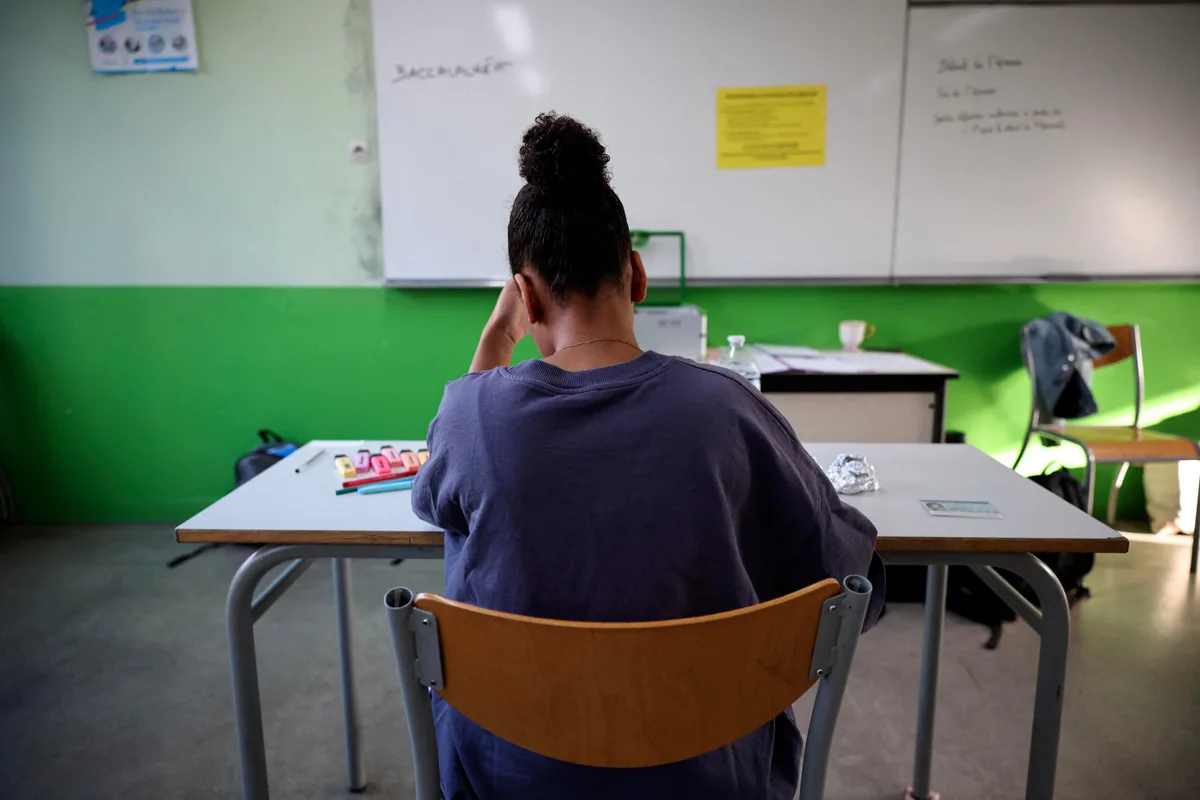
A student takes the French general baccalaureate exam on June 15, 2026. | Simon Wohlfahrt/AFP via Getty Images This story appeared in Today, Explained, a daily newsletter that helps you understand the most compelling news and stories of the day.
Subscribe here .
A growing chorus of teachers, parents, and education experts is worried that American students can’t read .
But, hear me out, silver lining here: At least the students are in good company . (Okay, maybe that’s not exactly a silver lining.) A new report from the Programme for International Student Assessment, or PISA — a standardized global test of 15-year-olds’ math, reading, and science skills, administered by the Organization for Economic Cooperation and Development — finds that scores in all three subjects have dipped to their lowest levels in OECD countries since testing began in the early 2000s.
Reading scores fell especially sharply, by the equivalent of more than a year of education, between 2015 and 2025.
In the US, reading scores fell by roughly 14 percentage points between 2022 and 2025.
These results, based on a sample of more than 760,000 students from 91 countries, are among the most-watched educational metrics in the world.
And the million-dollar question — as always — is why those metrics continue to fall.
The report gestures at the usual suspects: the lingering effects of the Covid-19 pandemic; an attentional crisis that makes it difficult for kids ( and adults! ) to stick with long texts.
PISA also surveyed students about their use of generative AI, the first time it’s done so since the technology became widely available.
But as I’ll explain more below, anyone looking for clear takeaways on classroom AI and its effect on learning will probably be disappointed.
Go a little deeper View Link If you know a high school student, chances are they use AI for school.
In the PISA report, 86 percent said they use it at least occasionally, and roughly one in 10 use it every day.
But whether that helps or hurts learning seems to depend on how students use it.
5News aggregated this summary from the outlet’s public feed. The full article, with all the context, is on www.vox.com — the content belongs to Vox.