'Lost in Space': Celebrity astrophysicist Neil deGrasse Tyson on his lavish new encyclopedia of the cosmos (interview)
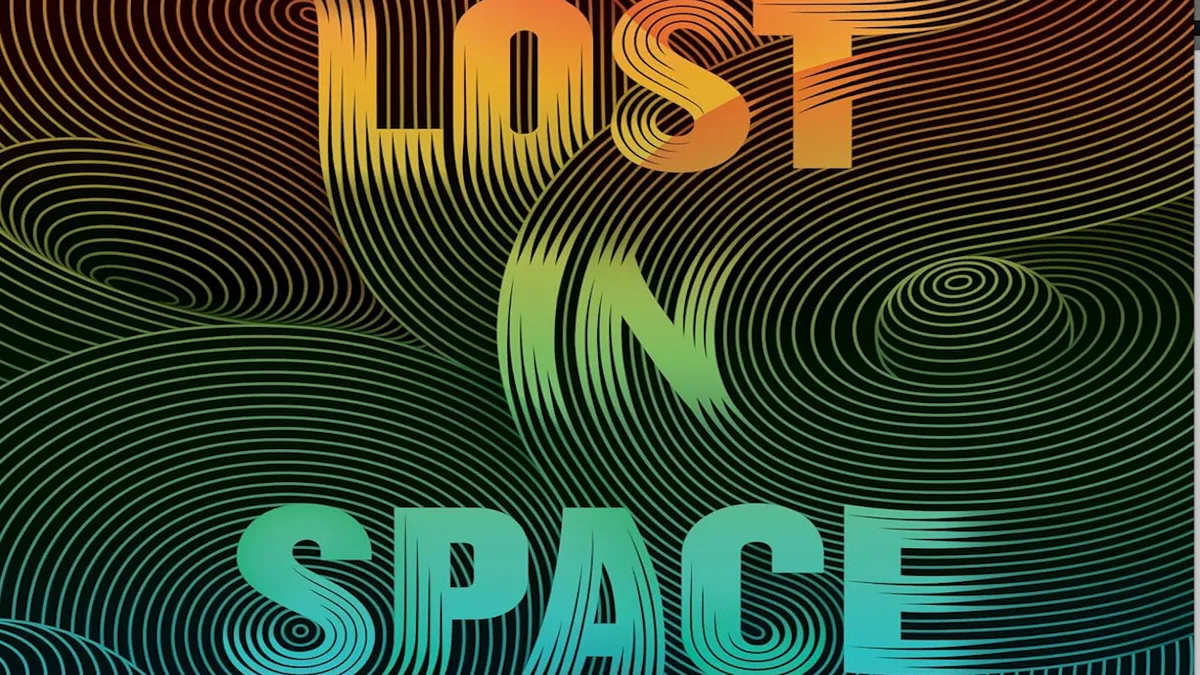
Superstar astrophysicist, bestselling author, podcaster and ravenous consumer of pop culture Neil deGrasse Tyson has never been shy when it comes to sharing his candid thoughts , esoteric humor and vast depth of knowledge with the entire world.
His latest book, " Lost in Space: 5,000 Facts For Navigating The Universe ," is a spectacular 400-page whirlwind odyssey around the heavens that's wonderfully composed using hundreds of colorful illustrations, charts, maps, galactic images, planetary profiles, astronomical wonders and historical photos that will keep curious readers engaged for a millennium or more.
Released on Sept.
15, 2026 from National Geographic and written by Tyson and StarTalk colleague Lindsey Nyx Walker, "Lost in Space" is an encyclopedic space glossary and guidebook that includes information on everything from telescopes to UFOs to exoplanets .
Think of it as a colorful, eye-catching candy store of cosmic proportions. (Image credit: National Geographic) "First you’ll notice how beautiful it is," Tyson told Space.com.
"That’s National Geographic, and this is the fourth collaboration between them and our podcast.
They made it into a beautiful object that, even if you didn't read it, you just want to look at it.
From the cover to the layout and the pages and images, it's sheer beauty.
It's a coffee table book, but it's also a really fun read.
The idea was that there's so much interesting information in the universe that it's not just metrically interesting, it's analogically interesting.
"Like in our podcast, where we merge science, pop culture and humor when you can.
The facts of this book were constructed to rise up above the base value of a fact and turn it into something that’s memorable to you as a reader — which means you can open to any page and pick out any fact and find something you might have never thought about.
The entire universe.
It's got each planet, the night sky, moons, and a section on the Periodic Table of Elements.
5News aggregated this summary from the outlet’s public feed. The full article, with all the context, is on www.space.com — the content belongs to Space.com.