Photojournalist Steve Winter on his iconic Hollywood puma image, the illegal tiger trade and having a black panther knock on his door
For decades, photojournalist Steve Winter has traveled across the world capturing incredible images of big cats as part of his work for National Geographic.
Yet he didn't photograph an animal professionally until he was 34.
"If anybody had said, 'You're going to work with big cats for 25 years of your career,' I would have said 'No, I don't know anything about big cats,'" he told Live Science.
"But I learned from scientists and local people," he added.
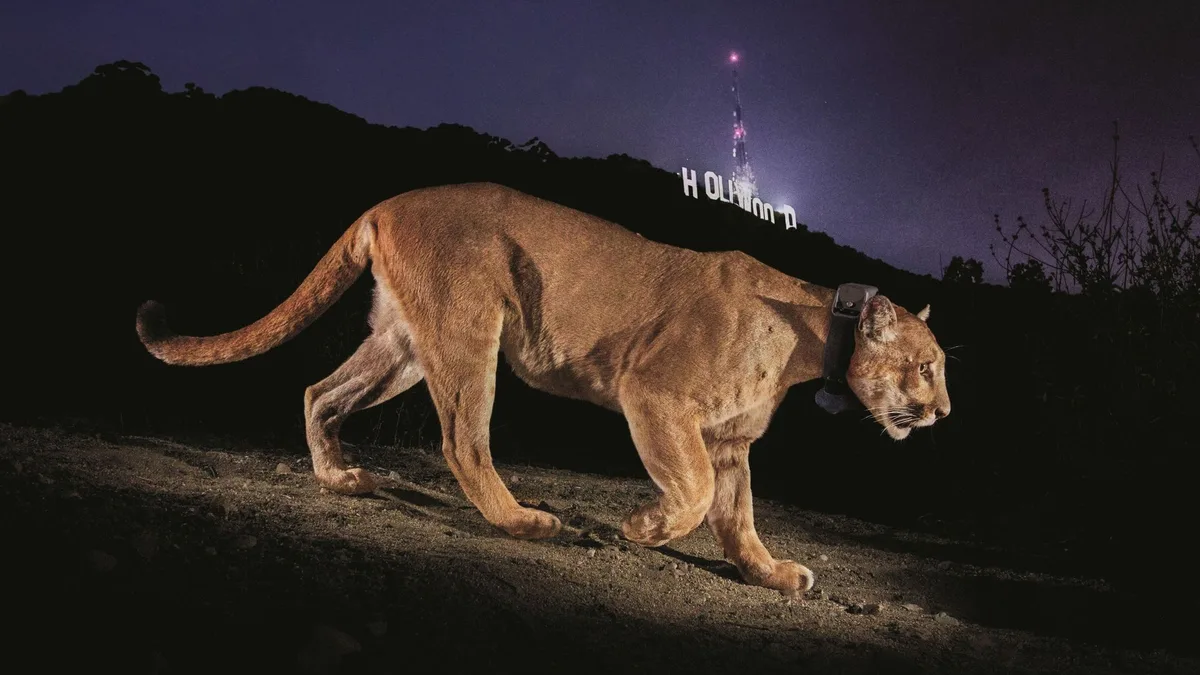
"That was very, very important — that's what, to me, was the biggest change in my life." Together with his wife, author and environmental journalist Sharon Guynup , Winter has helped change laws around big cats in the U.S.; revealed the horrors of the Tiger Temple in Bangkok, resulting in its closure; and took an iconic photograph of the cougar P-22 beneath the Hollywood sign, which eventually led to the creation of the world's largest highway wildlife corridor over Highway 101 in California.
In their new book, " Big Cats " (National Geographic Books, 2026), Winter and Guynup provide a retrospective of their careers, looking at the fragility of these predators, the conservation work helping to save them, and the challenges they still face.
Live Science spoke with Winter about his career, the changes he's seen, and why he's hopeful for the future.
Steve Winter has won numerous international awards, including BBC Wildlife Photographer of the Year and BBC Wildlife Photojournalist of the Year.
He lectures internationally on photography and conservation issues and has been interviewed on CBS Nightly News, 60 Minutes, NPR, BBC and CNN.
He contributes regularly to National Geographic magazine, for which he can spend months working on a single story.
He’s camped for weeks in steamy jungles, vast grasslands, and at 15,000 feet in the Himalayas to capture cats’ stunning beauty and secret behaviors. (Image credit: Steve Winter) Hannah Osborne: You've traveled all over the world and seen so many things.
Is there one photograph that really sticks out for you, one that you come back to and think about? Steve Winter: I always look at the images that have had an impact at the time.
That makes a huge difference to me, because in the end, I know that in taking this [photograph], not only did I succeed beyond my wildest expectations, but it's making a difference in the world.
Right now, I have just been putting remote cameras up on what will be the world's largest wildlife overpass, and that was started by my Hollywood cougar picture of P-22, Puma 22, under the Hollywood sign. [ Editor's note: The common names cougar, puma and mountain lion all refer to the same species, Puma concolor .] That changed so much in Los Angeles.
5News aggregated this summary from the outlet’s public feed. The full article, with all the context, is on www.livescience.com — the content belongs to Live Science.