'It's in the realm of possibility': Climate change is spurring a reemergence of yellow fever, and the US could face future threats
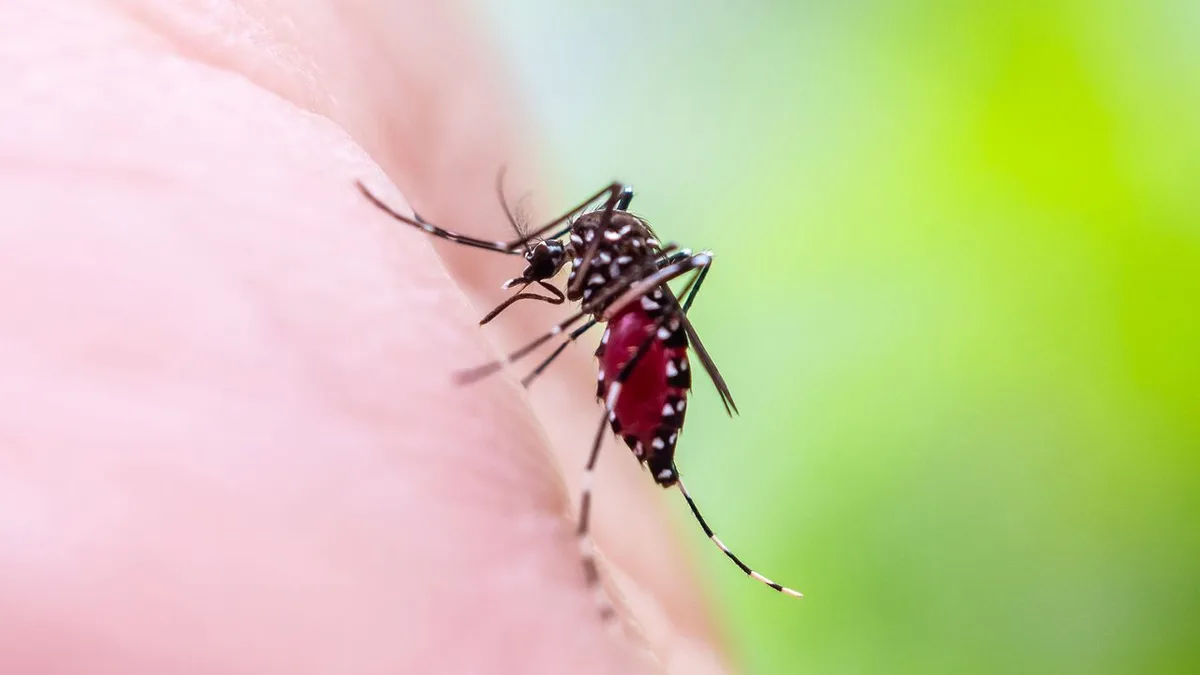
Yellow fever is appearing in regions that haven't seen cases of the disease in years, largely as a result of climate change.
Historically, the virus ravaged cities across the Americas, Europe and Africa, until a vaccine was introduced in 1937 and its range shrunk significantly.
But now, as climate change creates favorable conditions for virus-carrying mosquitoes, scientists are seeing outbreaks in unexpected areas.
"Yellow fever is a highly deadly disease," Dr.
Joelle Ivy Rosser , an infectious-disease researcher at Stanford University, told Live Science, "so any environmental pressures that increase the likelihood of future yellow fever virus outbreaks … is highly concerning." How is climate change contributing to this pattern, and could it get worse in the future? How rising temperatures impact yellow fever Yellow fever is a mosquito-borne disease caused by the Orthoflavivirus flavi virus, better known as yellow fever virus (YFV).
The infection causes fever, muscle aches, headaches and vomiting.
About 15% of cases become severe, with patients showing jaundiced skin and eyes, bleeding from the mouth, eyes, nose and stomach, or organ failure.
Primates, such as howler monkeys, carry the yellow fever virus, which then gets picked up mosquitoes that bite the monkeys and later spread the germ to humans. (Image credit: CDC) Devastating yellow fever epidemics spread in the 17th to 19th centuries , before the development of a vaccine.
Nowadays, an estimated 31,000 to 82,000 yellow fever deaths occur each year; severe cases have an estimated fatality rate of 20% to 50% .
Most yellow fever infections are a result of spillover from nonhuman primates; mosquitoes bite monkeys that carry the virus, such as howler monkeys, and then the infected mosquitoes bite humans.
Several types of mosquitoes carry the virus, but the species Aedes aegypti is the main vector for yellow fever in cities, where high population density can make outbreaks especially severe.
Although there is an effective vaccine for yellow fever, cases have been on the rise in the past three decades .
This led the World Health Organization (WHO) to set out a strategy in 2017 for eliminating yellow fever epidemics by 2026 through outbreak prevention and containment.
Climate-change-driven warming and extreme weather events may have heightened yellow fever risk over the past few decades, experts say.
5News aggregated this summary from the outlet’s public feed. The full article, with all the context, is on www.livescience.com — the content belongs to Live Science.