US heading for unprecedented El Niño winter: Here's what to expect
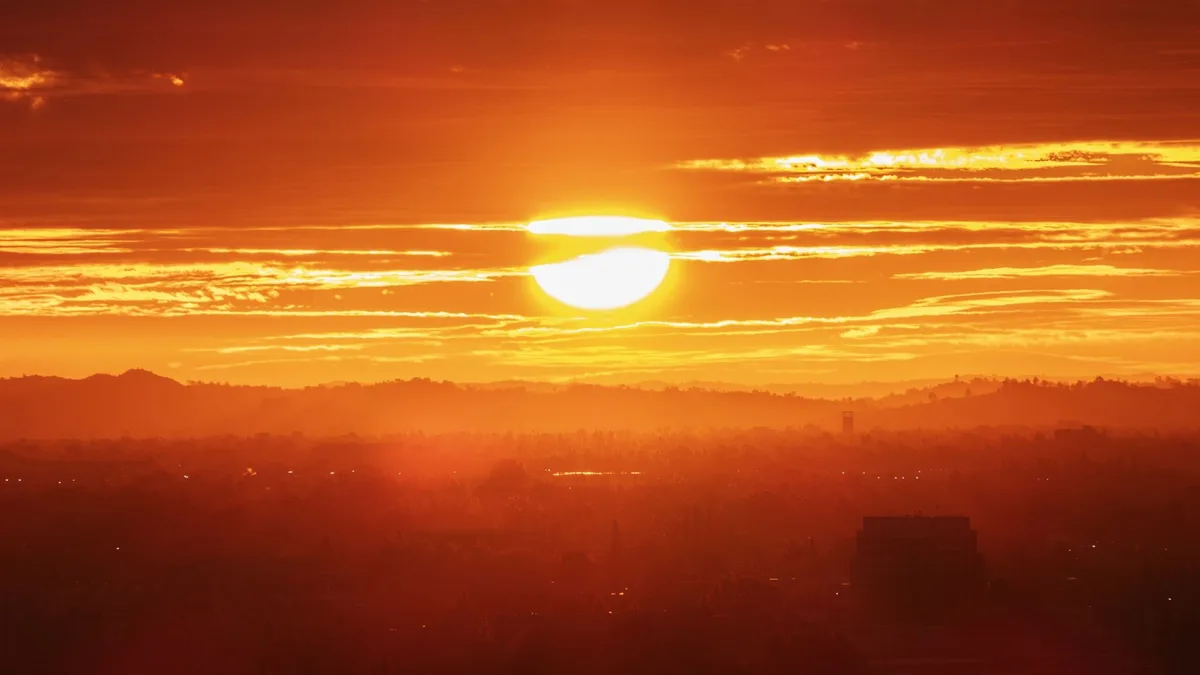
The ongoing El Niño is breaching the "super" threshold as Earth crosses into unprecedented climate territory.
El Niño, officially underway as of June 11 , is a climate pattern that's injecting extra heat into our already-warming world, threatening disruptive weather across the globe and a humanitarian crisis in some regions.
While El Niño is part of a natural multiyear climate cycle, scientists have noticed that it has been rapidly strengthening like never before, intensified by human-driven climate change , and putting stressed natural systems under extra strain .
In a new update this week, the National Oceanic and Atmospheric Administration's (NOAA) Climate Prediction Center continues to forecast a 75% chance that this El Niño event will be stronger than any previous El Niño since 1950, the earliest year from which NOAA has data to make historical comparisons.
Furthermore, this El Niño appears to be going "super" — something that has been expected for weeks.
Weekly NOAA data from the eastern Pacific's El Niño region reveal that sea surface temperatures have reached 3.8 degrees Fahrenheit (2.1 degrees Celsius) above average, hitting the more than 3.6 F (2 C) threshold for a very strong or "super" event.
Strictly speaking, NOAA uses three-month averages to categorize strength, as weekly data is more prone to temporary anomalies.
But the latest data once again signals where this El Niño is heading, with NOAA forecasting a more than 90% chance of a very strong event emerging in the fall and winter.
How will El Niño impact the U.S.? During El Niño, warmer waters gather east of the equatorial Pacific, forcing the jet stream south.
The patterns associated with El Niño bring exceptionally stormy winter weather and a higher chance of rain and snow across California and Southern states, with Northern states experiencing fewer storms and a milder winter, according to the Climate Prediction Center .
El Niño can also increase the risk of high-tide flooding, particularly on the West Coast, according to NOAA .
However, as with climate change in general, El Niño doesn't have the same impacts on all regions.
Furthermore, while a more intense El Niño typically increases the certainty of expected impacts, they are not guaranteed.
The last "super" El Niño happened in 2015 and 2016.
5News aggregated this summary from the outlet’s public feed. The full article, with all the context, is on www.livescience.com — the content belongs to Live Science.