The popular diabetes drug metformin has been used for decades — and scientists just figured out its main mechanism
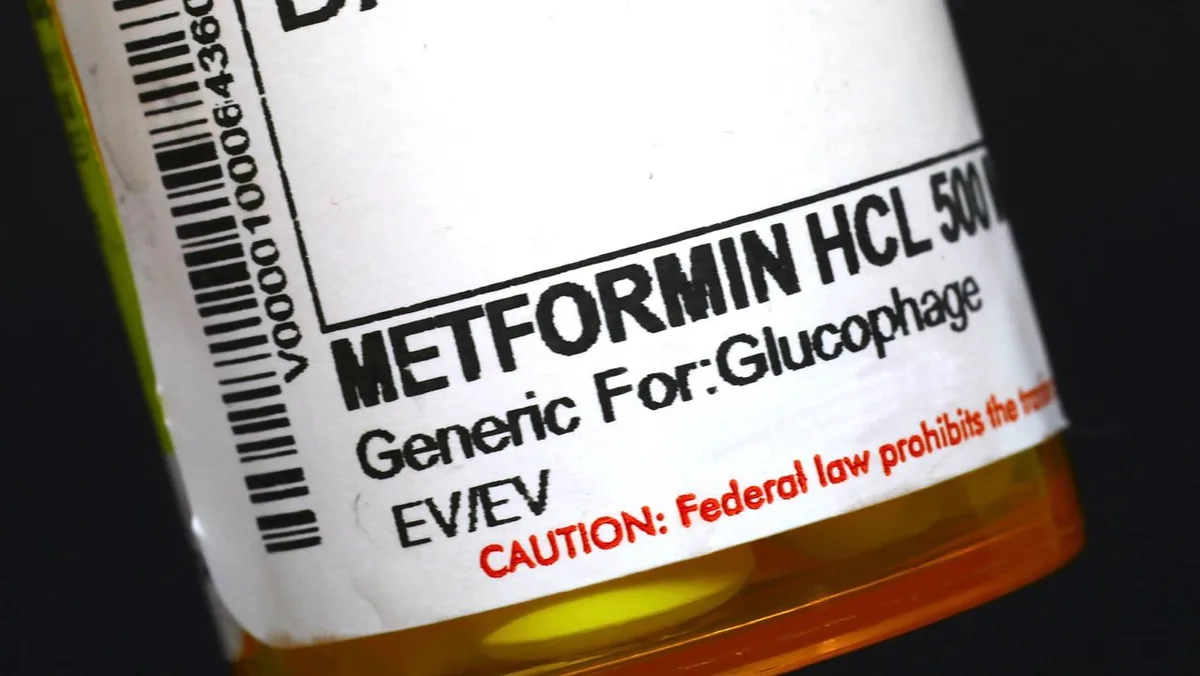
There are many theories as to how the diabetes drug metformin lowers blood sugar levels, but now, scientists think they've discovered the main route.
It turns out that the drug, primarily used in type 2 diabetes , forces gut cells to absorb and burn extra glucose.
It achieves this by messing with gut cells' mitochondria — their internal power generators.
Although metformin was first used in patients in the 1990s , scientists have been unsure of how it works.
"Every year there's a new mechanism for metformin that says last year's mechanism was wrong," said study co-author Navdeep Chandel , a biochemist at Northwestern University.
Part of the problem is that metformin affects several organs.
"Metformin has a complex mechanism of action, with effects in several organs and on different aspects of metabolism, making it difficult to identify a single mechanism that explains all of its effects," Manuel Vázquez Carrera , a pharmacology researcher at the Sant Joan de Déu Research Institute who was not involved with the study, told Live Science in an email.
Some studies suggested that metformin causes intestinal cells to use up glucose, and an animal study released last year proposed that the drug causes glucose to move from the bloodstream into the intestines, where gut bacteria can then break it down.
Other research pointed to the liver, proposing that the drug lowers blood glucose levels by inhibiting gluconeogenesis, a process in which the liver makes glucose from other molecules, usually to regulate sugar levels during fasting or exercise.
The scientists exploring the drug's action in the liver found that metformin interacts with a large complex of proteins inside mitochondria.
Called mitochondrial complex I, it's a key player in generating cells' primary energy currency: the molecule adenosine triphosphate (ATP).
The new study suggests that metformin changes the activity of mitochondria (pictured) inside intestinal cells in a way that ultimately causes them to burn more sugar. (Image credit: MARK GARLICK/SCIENCE PHOTO LIBRARY via Getty Images) However, the theory that metformin mainly works by targeting this complex was quickly dismissed.
That's because the drug's concentration in the liver is too low to exert an effect, Vázquez Carrera said.
But elsewhere in the body, it's a different story.
5News aggregated this summary from the outlet’s public feed. The full article, with all the context, is on www.livescience.com — the content belongs to Live Science.