A One-Time Treatment for High Cholesterol Shows Promising Results
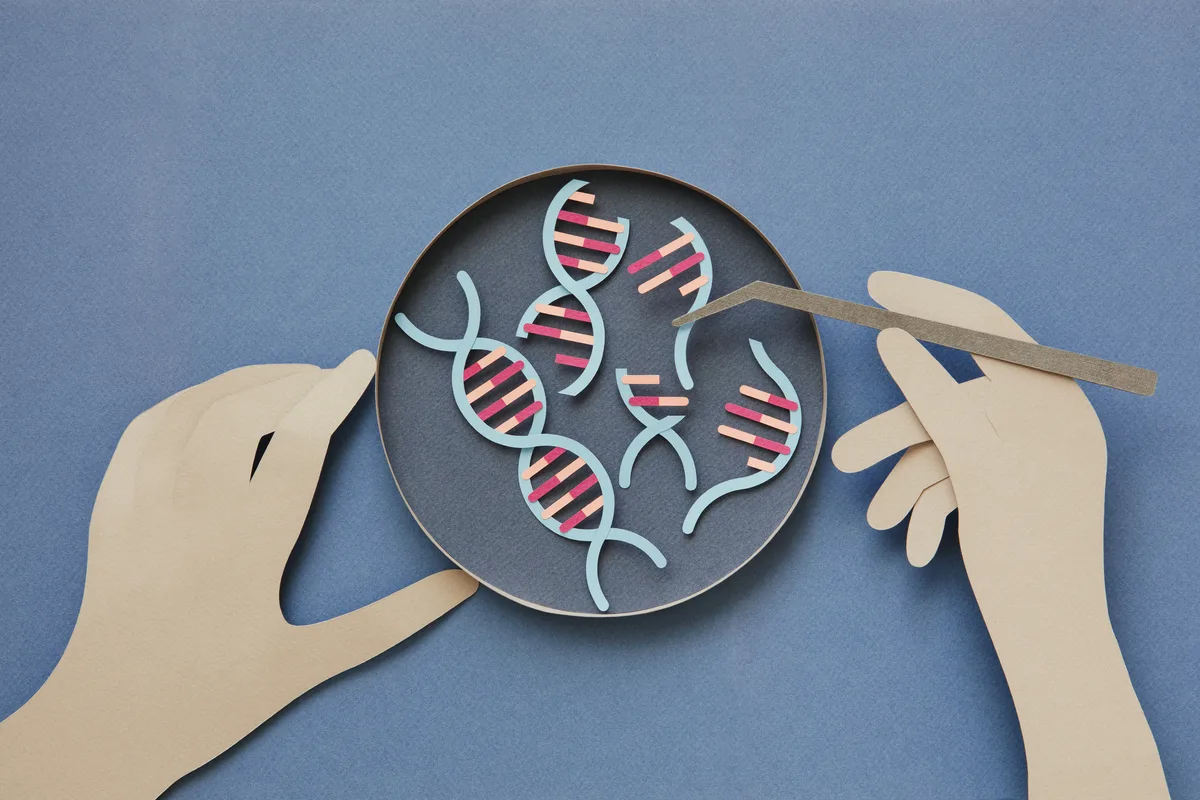
—Eugene Mymrin—Getty Images Heart disease remains the leading killer of people worldwide, and one of the key risk factors driving deaths is elevated levels of cholesterol .
In a new article published in the New England Journal of Medicine , researchers report that a gene-editing therapy helped people with increased levels of cholesterol and triglycerides maintain lower levels of these lipids for at least a year.
The findings build on earlier results of the therapy, reported last November.
The gene-editing treatment, developed by the biotech company CRISPR Therapeutics, uses CRISPR technology to precisely edit a gene involved in cholesterol regulation.
The gene, called ANGPTL3, makes an enzyme that blocks the breakdown of bad cholesterol (LDL) and triglycerides.
But scientists discovered a long-lived population in Italy in which people born with a mutation in ANGPTL3—rendering it defective—had low levels of LDL and triglycerides and very little heart disease.
The CRISPR therapy mimics this naturally occurring mutation; people who have received it now have this mutation in their ANGPTL3, which means they can now break down cholesterol and triglycerides properly.
In the small study, 15 people with severe forms of high cholesterol and triglycerides showed drops in the two lipids of up to 50%, which the latest results show lasted for at least a year.
“From an efficacy standpoint, it’s a pretty big win,” says Samarth Kulkarni , CEO of CRISPR Therapeutics.
The fact that the people in the study were able to maintain lower levels of LDL and triglycerides for up to a year means that CRISPR was able to edit enough cells in the liver, where much of the body’s cholesterol and triglycerides are produced, to give patients the benefit of having lower levels of the lipids.
It also shows that these edited cells continue to produce new generations of cells that carry the CRISPR edit in AGNPTL3.
People who received the highest dose of the CRISPR therapy saw levels of the ANGPTL3 enzyme drop by nearly 80%, which contributed to a drop in LDL and triglycerides of about 50%.
“This is a really big step for CRISPR to show the durability of the result,” says Dr.
Luke Laffin, co-director of the Center for Blood Pressure Disorders at the Cleveland Clinic and lead author of the study.
5News aggregated this summary from the outlet’s public feed. The full article, with all the context, is on time.com — the content belongs to TIME.