7 extraordinary Indigenous sites in the US, from Chaco Canyon to Chimney Rock
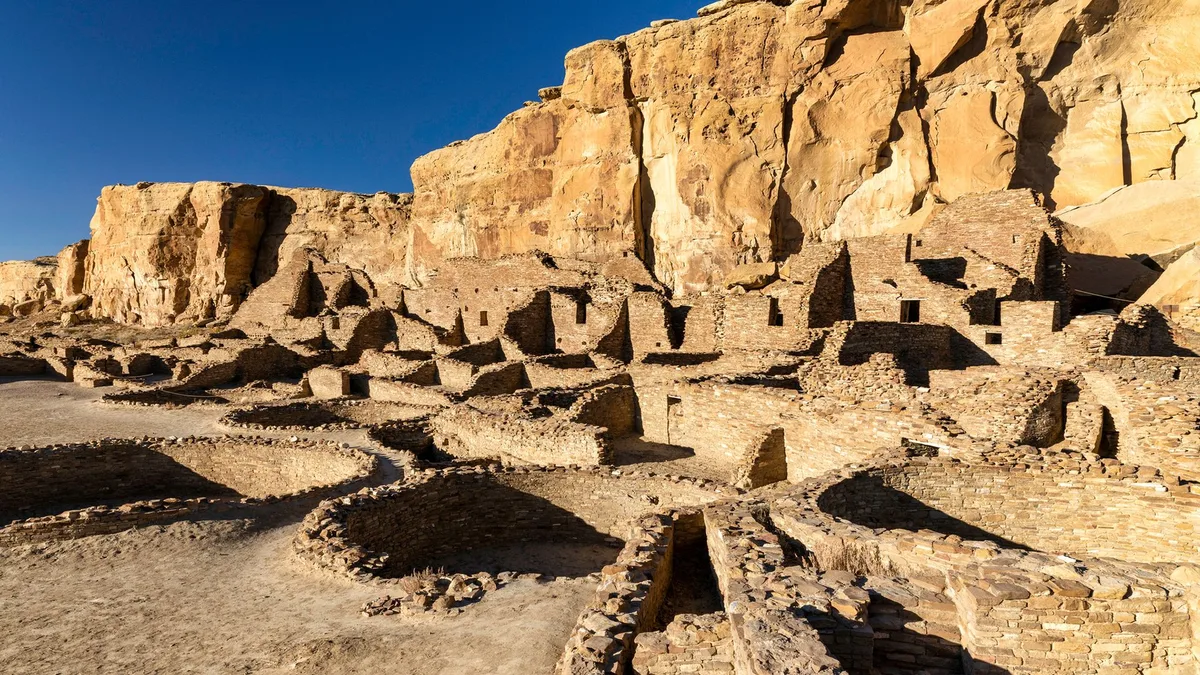
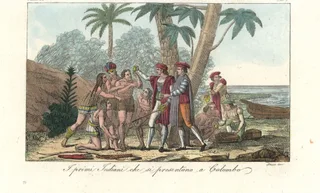
The prehistory of Indigenous Americans goes back tens of thousands of years before the 1492 arrival of Christopher Columbus in the Bahamas , and recent scientific studies suggest prehistoric people were on the American continents a lot longer than many experts believed.
For Indigenous Peoples Day, here are seven locations in the United States that outline the Native American story.
1.
Chaco Canyon (New Mexico) (Image credit: jjwithers via Getty Images) This centuries-old settlement, whose name may be a Spanish adaptation of an Indigenous word for the area, was the political and ceremonial center for the Ancestral Puebloan people from about A.D.
850 to 1250.
At its heart is Pueblo Bonito ("Pretty Village"), a four-story stone complex with more than 600 rooms and 35 subterranean ceremonial chambers called kivas.
Experts estimate that builders hauled over 200,000 timber beams from distant mountains to construct these complexes, where the beams were used to strengthen buildings made mostly from sandstone blocks.
The town once stood at the hub of a road network that spanned more than 400 miles (640 kilometers), and excavations of imported Mesoamerican macaws and cacao there confirm trade with distant regions.
2.
Cahokia (Illinois) (Image credit: GummyBone via Getty Images) Cahokia was once the largest Indigenous American settlement north of Mexico and home to up to 40,000 people in A.D.
1100 — comparable in size to major cities in medieval Europe, historian Christoph Strobel , a specialist in Indigenous history at the University of Massachusetts Lowell, told Live Science.
Residents there lived in houses made from "wattle and daub" — clay or mud plastered on a framework of sticks — in a town at the site, with large public plazas, wooden palisades and dozens of ceremonial earthen mounds.
Indigenous people even transported a 5-ton (4.5 metric ton) tree from more than 110 miles (180 kilometers) away , and then turned it into a marker known as the Mitchell Log.
Archaeological studies indicate that many people from distant places also visited, perhaps to take part in ceremonies.
5News aggregated this summary from the outlet’s public feed. The full article, with all the context, is on www.livescience.com — the content belongs to Live Science.