'News reports tweaked the science to speak to contemporary anxieties': How Neanderthal extinction is a projection of our own, modern fears
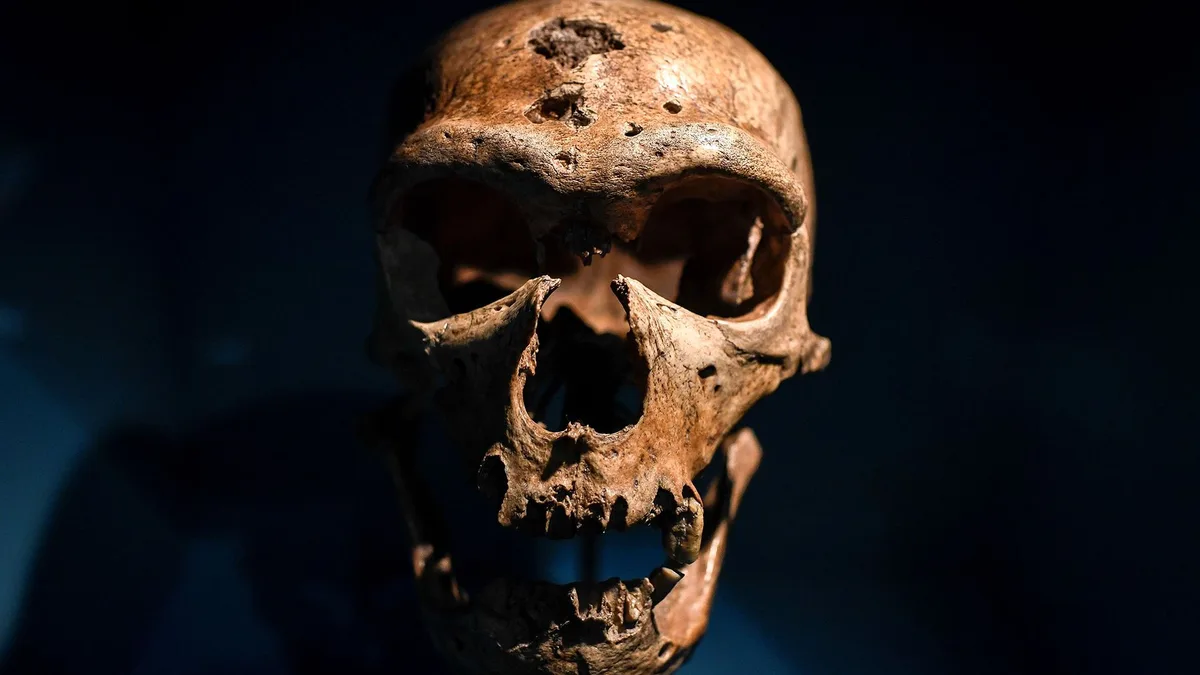
Since the discovery of their remains in the 19th century, Neanderthals have fascinated scientists and the general public alike.
Although our understanding of these ancient hominins has been transformed tremendously since then, how we have viewed this other human lineage became deeply entrenched in how we see our own species, with geopolitical events shaping the rhetoric around our ancient relatives.
In his new book, " Neanderthals Among Us: The Making of a Prehistoric Human " (Oneworld Publications, 2026), historian and author Peter Sahlins examines our complicated view of Neanderthals, with this lost human lineage being viewed through the lens of cultural and political ideologies.
In this excerpt, he looks at our theories for why they went extinct and the philosophical reckoning we've placed up on them.
Between violent extermination and peaceful absorption — with cultural exchange — prehistorians and others propose a wide range of theories to account for Neanderthals' extinction.
Just as we've projected our concerns and anxieties about race and gender onto Neanderthals, so too do contemporary challenges shape how we imagine their extinction.
Sometimes it's the newspapers that translate a more neutral science into easily relatable headlines.
"Immigrants Halt Neanderthal Era," announced the Glasgow Herald (29 July 2011), claiming that "Europe's earliest residents may have been crowded out by uncontrolled immigration 40,000 years ago." Glossing a highly technical study by Cambridge archaeologist Paul Mellars about the notable increase in population size during the Upper Palaeolithic, the news reports tweaked the science to speak to contemporary anxieties.
But often the science itself is framed or informed by current events.
The pathogen thesis gained credence during and after the COVID-19 epidemic.
A 2024 study of a 50,000-year-old case of herpes in a sequenced viral genome confirmed widespread speculation that Sapiens-borne pathogens were passed to a Neanderthal population without immunities.
Jonathan Kennedy's popular world history " Pathogenesis " (Crown, 2023) argued that Homo sapiens would have been less vulnerable to Neanderthal diseases because they arrived in much larger numbers and had more evolved immune systems from their tropical environment.
Of growing importance over the last twenty years is the thesis that climate change, our own existential challenge of the Anthropocene, was the principal cause of Neanderthal extinction.
The idea takes many shapes, beginning with an update of French geologist Georges Cuvier's "catastrophism," where species died off in cataclysmic geological events like earthquakes and volcanic eruptions.
5News aggregated this summary from the outlet’s public feed. The full article, with all the context, is on www.livescience.com — the content belongs to Live Science.