What to Know About the USPS’s Rule for Mail-In Ballots
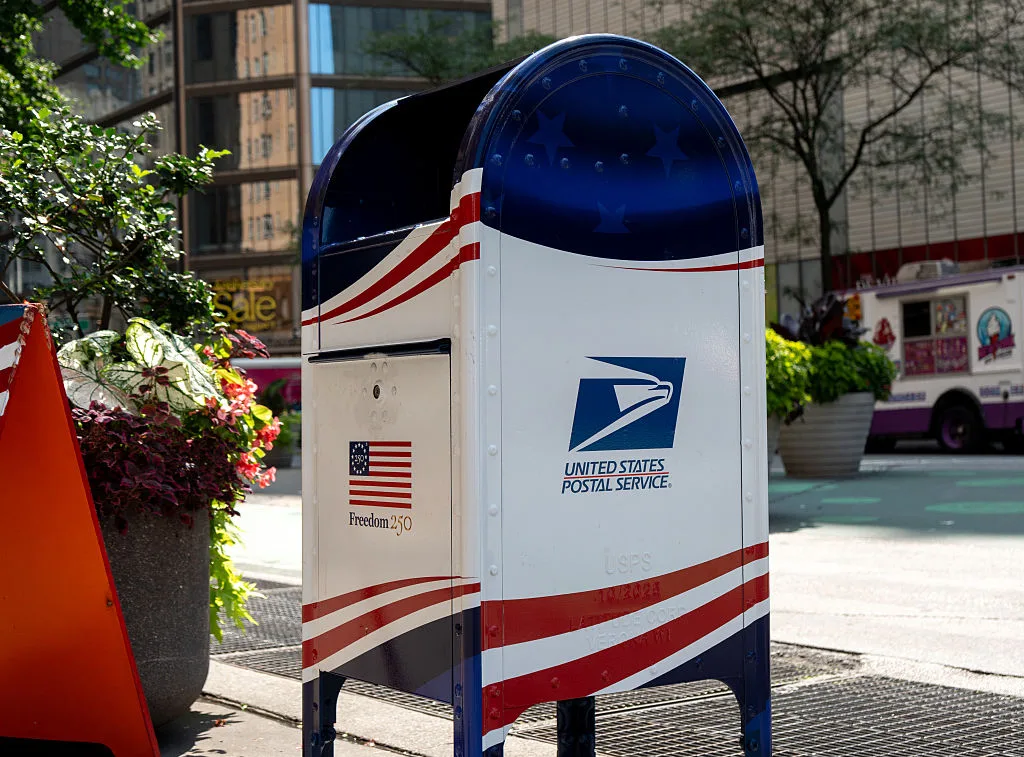
A United States Postal Service mail collection box is seen on a street in New York City, United States, on August 7, 2026. —Marcin Golba—NurPhoto The United States Postal Service (USPS) on Friday issued a 95-page final rule that it plans to implement immediately if the government obtains relief from two existing injunctions.
It would require USPS employees to verify that outbound federal ballot mailings comply with new envelope, barcode, and data-reporting requirements before accepting them from election officials.
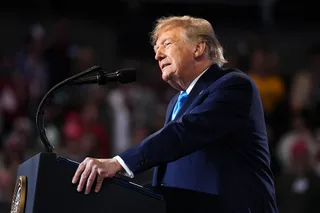
The rule was designed to comply with President Donald Trump’s executive order from March 31.
It directs the Department of Homeland Security , in coordination with the Social Security Administration , to compile and send lists of adult citizens in each state.
Separately, it directs USPS to establish state-specific lists of people to whom election officials intend to send mail-in or absentee ballots, along with unique ballot-envelope identifiers.
A pair of court orders blocks the rule from implementing the rule before midterm elections in November.
Read More: Trump’s Order Restricting Mail-In Voting Rebuked by States About the two injunctions blocking Trump’s mail-in voting order Two injunctions bar USPS from implementing its new rule.
They were issued by Massachusetts U.S.
District Court Judge Indira Talwani on June 25 and Aug.
11.
What the June Injunction Covers A coalition of 23 states, along with the District of Columbia, filed a lawsuit on April 3 seeking to block Trump’s executive order, arguing that the President does not have the authority to dictate state voting practices.
In June, the presiding judge granted summary judgment to the plaintiffs, finding two sections of the order unlawful and constitutionally invalid.
It barred federal agencies from implementing those sections against plaintiff states and D.C. for elections held on or before Nov.
3.
5News aggregated this summary from the outlet’s public feed. The full article, with all the context, is on time.com — the content belongs to TIME.