Why are dengue cases surging in Florida this year? An 'unlucky' combination of factors, experts say
Cases of dengue fever are surging in Florida, spurring several counties to declare a state of emergency.
The state has seen 497 reported cases so far this year.
Of those, 252, or about 51% , were caught locally, rather than brought to the state by travelers.
The Florida Department of Health confirmed one woman's death from dengue fever in early September, marking the state's first known dengue death in almost a century.
Prior to the past few years, most dengue cases reported in Florida were the result of travel .
In other words, people caught the disease in other countries and then traveled to Florida, where their case was then diagnosed.
At 245, the number of travel-related cases reported this year is not unusually high, Caroline Waddell , a public health researcher at the University of Florida, told Live Science in an email.
However, the number of cases caught from local mosquitoes is more than five times higher than at this point in the year compared with any of the previous four years, she said.
Why are local dengue cases especially high this year? Live Science spoke with experts to find out.
A growing global health concern Dengue fever is caused by the virus Orthoflavivirus denguei , which spreads from mosquitoes to people through the pests' bites; it doesn't spread from person to person.
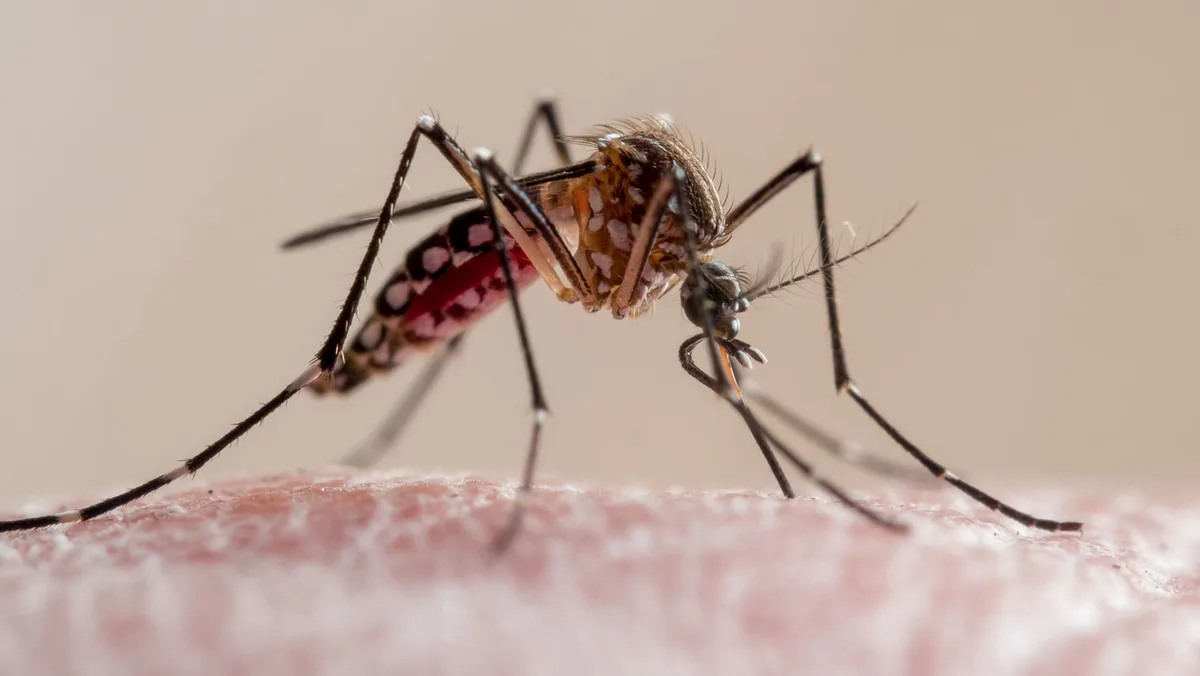
Aedes aegypti and Aedes albopictus mosquitoes transmit the virus to humans, and the same species can also carry the viruses behind yellow fever , Zika and chikungunya.
Mosquitoes capable of carrying dengue pick up the virus from people and then spread it to additional people via their bites. (Image credit: Centers for Disease Control and Prevention) About 100 million to 400 million dengue infections happen annually worldwide, with about 800 cases reported in the U.S. historically, although that number has increased recently.
Only about 1 in 4 people exposed to the dengue virus develop symptoms, which can include fever, headache, body aches, nausea and rash.
About 1 in 20 cases become severe , and immunocompromised people, children, older adults and pregnant people are especially susceptible to these serious infections.
5News aggregated this summary from the outlet’s public feed. The full article, with all the context, is on www.livescience.com — the content belongs to Live Science.