On this day in space! Aug. 19, 1997: 1st Filipino satellite launches into orbit
On Aug.
19, 1997, the Philippines' first satellite launched into space.
Before then, the country's only communications satellite was one that had been purchased from Indonesia after it was already in orbit.
But 29 years ago today, the Mabuhay Philippines Satellite Corporation sent its own satellite into orbit using a Chinese Long March 3B rocket.
The new satellite was named Agila-2 in honor of the great Philippine eagle.
To this day, it provides the most powerful satellite coverage in Asia and the Pacific, though its ownership has change: In 2009, the Philippines sold it to the Asia Broadcast Satellite company.
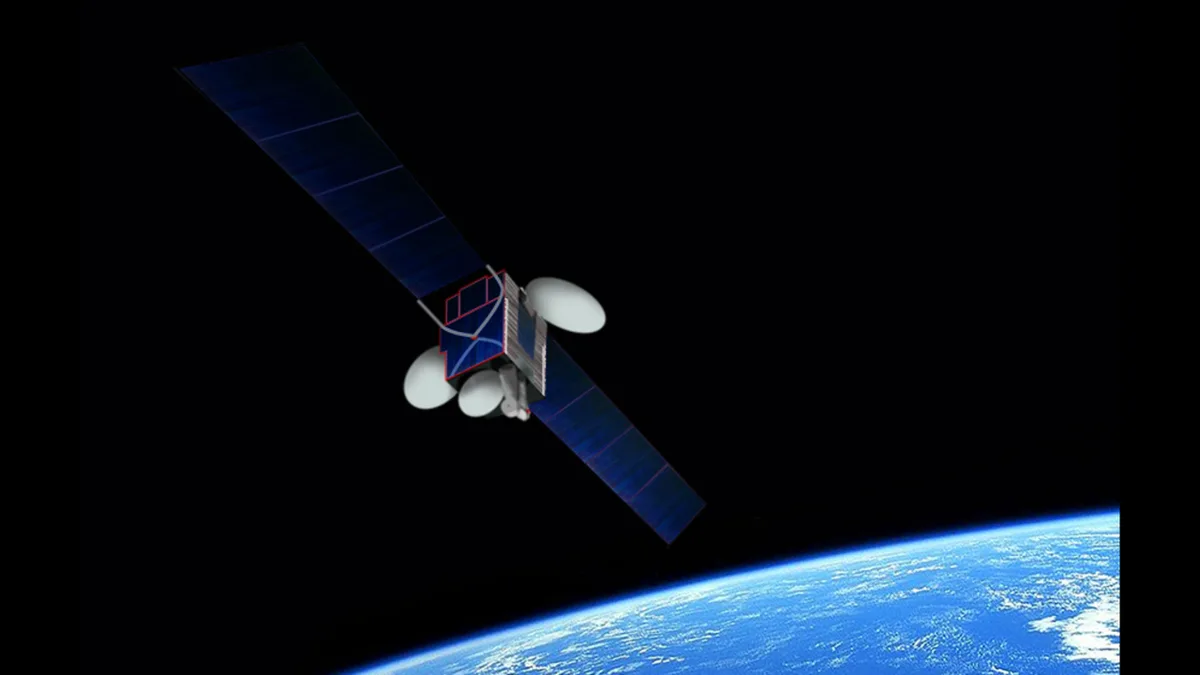
Artist's illustration of the Filipino satellite Agila-2. (Image credit: Wikimedia Commons) Why it mattered International collaboration is a key enabler of progress in space.
For example, astronauts from around the world work together to stay safe and push scientific progress forward on board the International Space Station (ISS).
And more and more nations are getting involved in the final frontier these days.
Over 70 different nations have signed the Artemis Accords , a U.S.-backed set of guiding principles for responsible space exploration.
The Agila-2 launch was a major breakthrough for Filipino progress in the space sector.
It was followed up almost two decades later with the Diwata-1 microsatellite, which launched to the ISS on April 27, 2016.
And the momentum kept growing from there, as the Philippine Space Agency was formalized in 2019.
Since then, the Philippines has collaborated with NASA and JAXA (the Japan Aerospace Exploration Agency) to develop and launch two more satellites, Diwata-2 and Maya-1.
5News aggregated this summary from the outlet’s public feed. The full article, with all the context, is on www.space.com — the content belongs to Space.com.