7 Fall Yard Habits That Help Pollinators Survive Winter
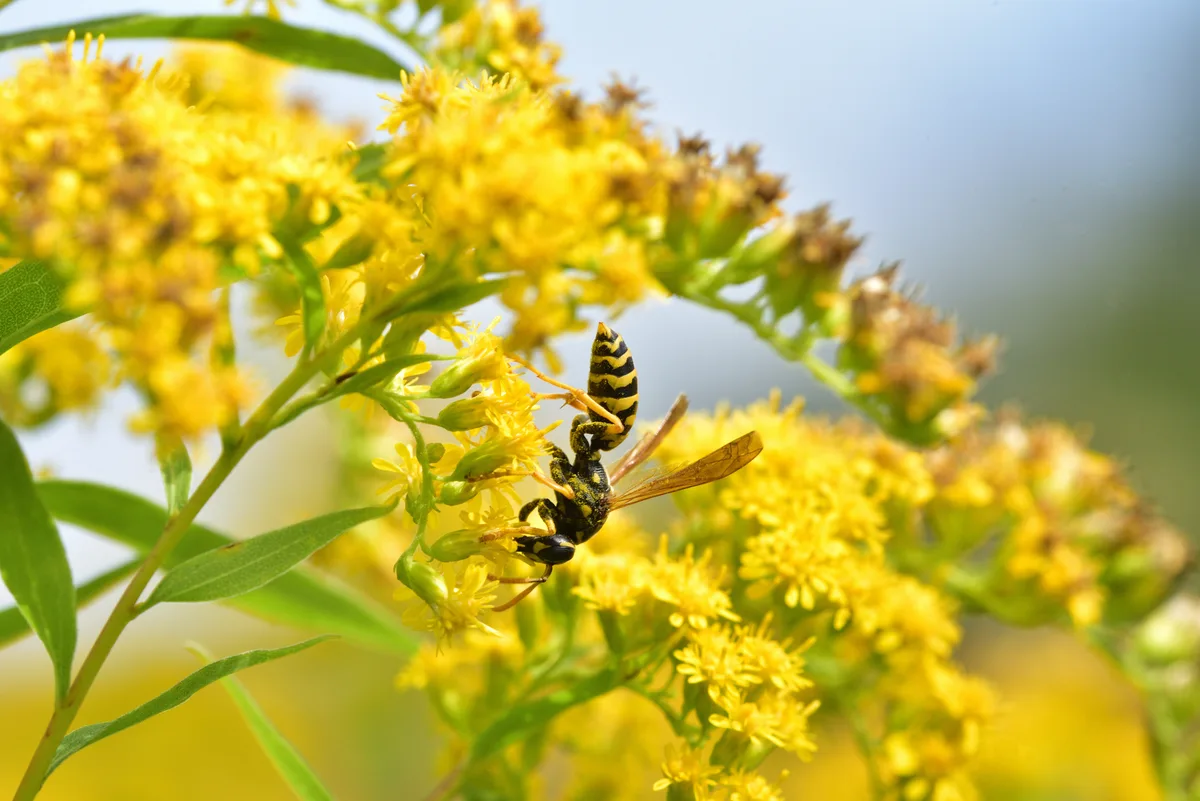
—Albert Fertl—Getty Images A few years ago, Katie Costanzo and her students went curbside shopping for trash.
They collected eight bags of leaves that homeowners around Buffalo had raked up for disposal, then sifted through them to see what—if anything—was hiding inside.
The bags were anything but empty.
They contained insects from more than 25 families, representing every stage of life from eggs and larvae to pupae and adults.
There were bees , wasps, lacewings, hoverflies, beetles, and more—all tucked into material their human landlords had deemed garbage.
The class exercise was later published in American Entomologist .
That’s the problem with what we call “fall cleanup.” Costanzo, an ecologist and entomologist at Canisius University, wishes people would stop viewing leaves, stems, and wood as trash.
“This is part of the ecology of our system,” she says.
“This could be habitat or resources.” Much of what looks dead, messy, or finished for the season is still serving as food, shelter, or a nursery.
And leaves are only the beginning.
Queen bumblebees may be tucked just beneath the soil in your yard.
Native bees and ladybugs can shelter inside hollow stems you might otherwise have snipped and stuffed into a yard-waste bag.
Beetles, flies, and other insects hide in spent flower heads, while birds return to those same plants for seeds.
Once cold weather arrives, a yard might look like it’s closed for the season, but “all this business is happening” through the winter, says Mary Phillips, head of native plant habitat strategy at the National Wildlife Federation.
5News aggregated this summary from the outlet’s public feed. The full article, with all the context, is on time.com — the content belongs to TIME.