A Harvest Moon with 5 planets on the side: September is the best month for stargazing, and this year is extra special
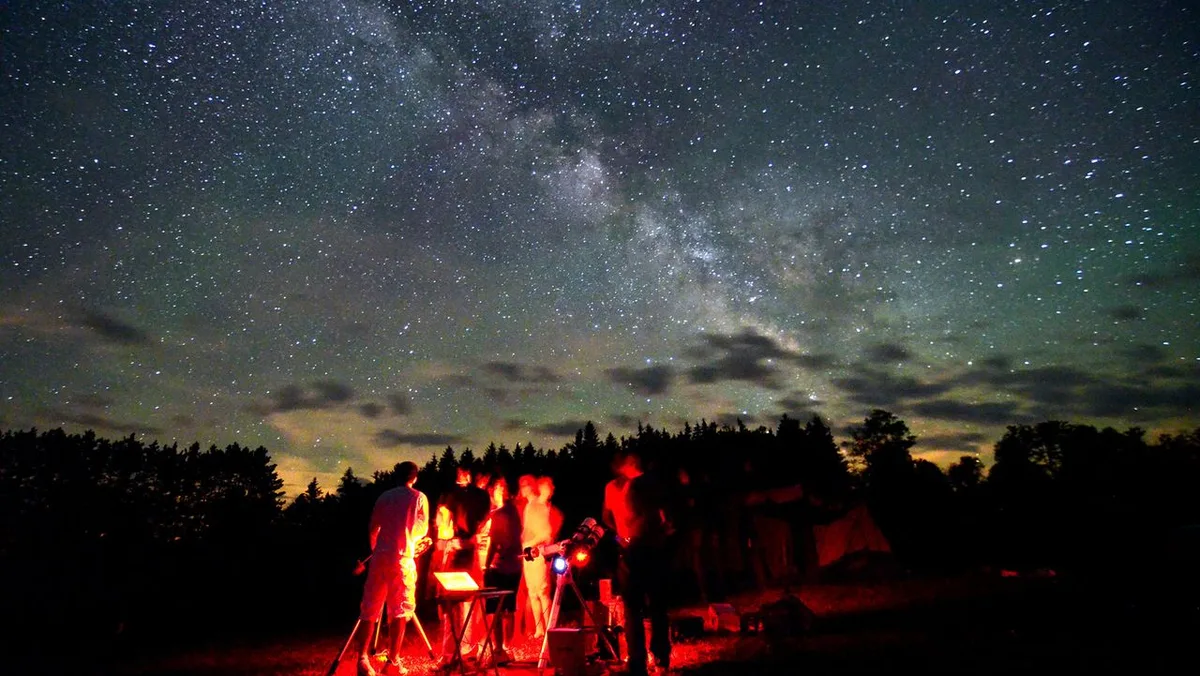
There may be no better month to get outside and look at the stars than September, when warm evenings meet rapidly lengthening nights, the Milky Way remains visible overhead, and the changing seasons can increase your chances of seeing the northern lights .
For stargazers in the Northern Hemisphere, summer presents an obvious problem: Darkness arrives late.
By September, however, sunset is getting noticeably earlier each evening, providing far more time under dark skies with mild weather in most locations.
Days can still feel summery, while nights tend to remain pleasant enough to spend hours outside with a pair of stargazing binoculars or a good backyard telescope .
The only challenge is finding a clear sky.
The balance between daylight and darkness changes particularly quickly around the fall equinox, which occurs on Sept.
22 this year.
That's when the sun crosses Earth's equator, bringing day and night close to equal in length around the world.
From then on, nights become longer than days across the Northern Hemisphere until the winter solstice on Dec.
21.
As an occasional bonus, auroras tend to occur more frequently around the equinoxes .
During this time, the orientation of Earth's magnetic field creates favorable conditions for interactions with the solar wind (the cause of auroras), but there are never any guarantees.
September stargazing highlights This month, there's plenty happening overhead.
All five planets visible to the naked eye can be seen during September, although not simultaneously; Venus and Mercury are visible in the evening, while Mars and Jupiter come out in the morning.
5News aggregated this summary from the outlet’s public feed. The full article, with all the context, is on www.livescience.com — the content belongs to Live Science.