Make the U.N. Great Again: The Uphill Struggle Facing The Next Secretary General
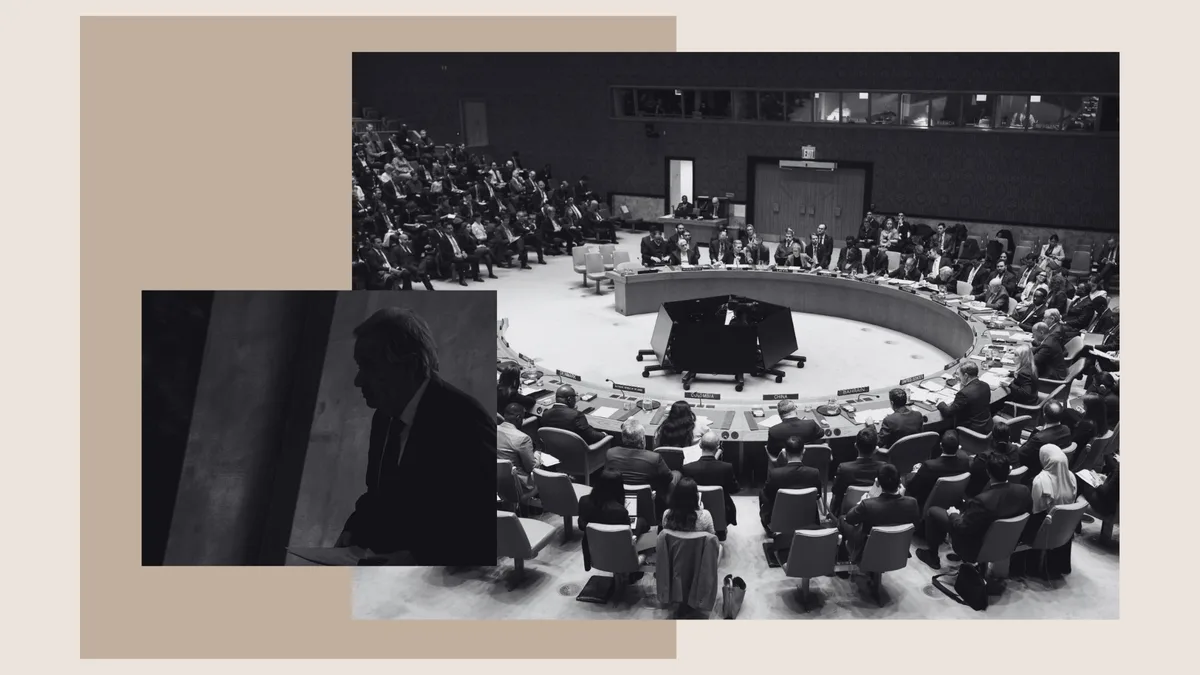
It may be both the most prestigious and the most frustrating job in international diplomacy: members of the United Nations are weighing who should succeed António Guterres as Secretary-General when he completes his final term in December. The timing couldn’t be more critical, with U.N.’s fortunes at a historically low ebb, for reasons both political and financial.
Indeed, U.N. insiders question why anyone would even want the job at such a testing—and turbulent—moment. Some predict that, with major powers repeatedly blocking the U.N. from intervening in crises from Ukraine to Myanmar, and with the U.S. rolling back funding, whoever succeeds Guterres will simply have to continue to do “less with less” and manage a process of institutional decline as gracefully as possible. Others still hold out hope that a new U.N. leader could reverse the slide, and persuade powers large and small to invest in the organization.
Yet, at a time when global challenges—wars, epidemics, and climate change—continue to proliferate, there is a compelling case for preserving the U.N. as a space for global deal making. Doing so will require a Secretary-General of formidable political skills, capable of persuading world leaders to listen.
It is a question of balancing two competing imperatives. The U.N. is an organization that rests on international cooperation, but the current global moment is one of international competition. The challenge facing the next Secretary-General is to explain how the U.N. can stay relevant. This is no time to preach the virtues of solidarity among nations. It is necessary to meet governments “where they’re at,” as psychologists say, and accept their rifts are real. A shrewd leader of the U.N. could find ways to help states de-escalate conflicts and cooperate on global challenges out of necessity, not idealism.
Ultimately, if political leaders do not believe that the U.N., which was founded in 1945 to “save succeeding generations from the scourge of war,” can live up to that founding goal, they are less likely to take it seriously as an authority on other international issues such as Artificial Intelligence or economic cooperation. Making sure that doesn’t happen will be the central challenge for the organization’s next leader. Perhaps each nomination should thus come with a warning: Caveat emptor, or buyer beware.
Maybe the biggest challenge for the next Secretary General lies inside the cavernous chamber that houses the Security Council, the organization’s most powerful body. The five permanent, veto power-wielding members—the United States, China, Russia, Britain, and France—that dominate the council have repeatedly blocked intervention in crises from Ukraine to Myanmar. The Biden Administration’s repeated refusal to support calls for a ceasefire in Gaza at the U.N. in 2023 and 2024 stirred deep resentment across the organization.
Most member states still pay homage to the U.N. Charter and its prohibition against aggression. But Russia’s invasion of Ukraine and the U.S. decision to attack Iran in February suggest that some of the security council’s most powerful members no longer feel bound by its guiding principles.
5News aggregated this summary from the outlet’s public feed. The full article, with all the context, is on time.com — the content belongs to TIME.