Woman 'saw dead people' and fired a gun at them after taking too many aspirin
The patient: A 65-year-old woman in Michigan The symptoms: The woman arrived at the emergency room via ambulance and asked to see a psychiatrist for her visual hallucinations.
"I'm seeing dead people," she told clinicians, adding that she'd even fired a gun at her hallucinations in one instance, according to a report of her case . (The report does not describe what the hallucinations looked like.) Despite this reaction to her hallucinations, she was calm and alert during her physical exam, with normal vital signs other than high blood pressure.
She reported a history of high blood pressure, diabetes, heart failure and chronic back pain but no prior psychiatric history.
What happened next: Since the woman had no past psychiatric history, doctors opted for a medical assessment before consulting a psychiatrist.
A blood test revealed mild metabolic acidosis , meaning her blood was too acidic.
A toxicology screen detected high levels of salicylates, a class of compound that includes acetylsalicylic acid, better known as aspirin.
The diagnosis: When questioned, the woman acknowledged that she had been taking over 15 aspirin pills a day for multiple weeks.
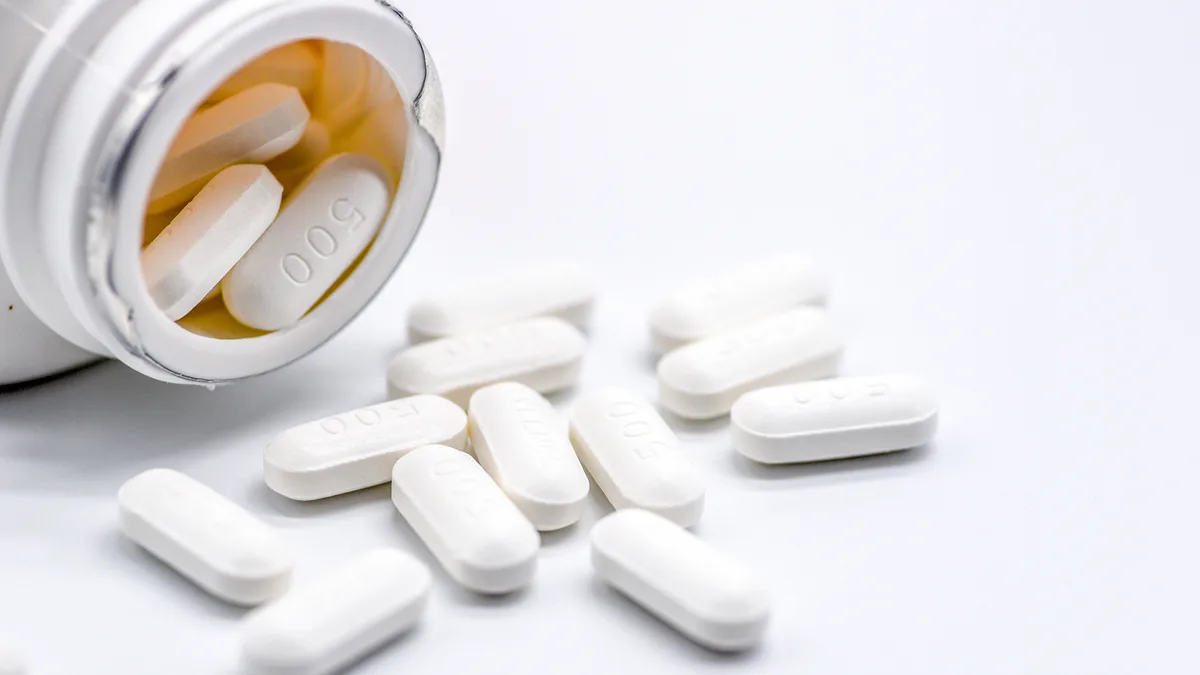
Each of these pills, marketed for back and body pain, contained 500 milligrams of aspirin.
Upon further questioning, the woman confirmed that she had tinnitus (ringing in her ears), which is a classic symptom of salicylate toxicity.
In other words, she'd overdosed on aspirin.
The treatment: Doctors consulted experts at Michigan's poison control center, who recommended intravenous (IV) treatment with sodium bicarbonate (the chemical name for baking soda).
This treatment alkalinizes blood and urine, meaning it makes them less acidic.
This enables more salicylate to be excreted through the kidneys, allowing the drug to be eliminated through the urine.
After 11 hours of the IV treatment, the woman's blood salicylate levels dropped from 28.8 milligrams per deciliter (mg/dL) to 18.3 mg/dL.
5News aggregated this summary from the outlet’s public feed. The full article, with all the context, is on www.livescience.com — the content belongs to Live Science.